
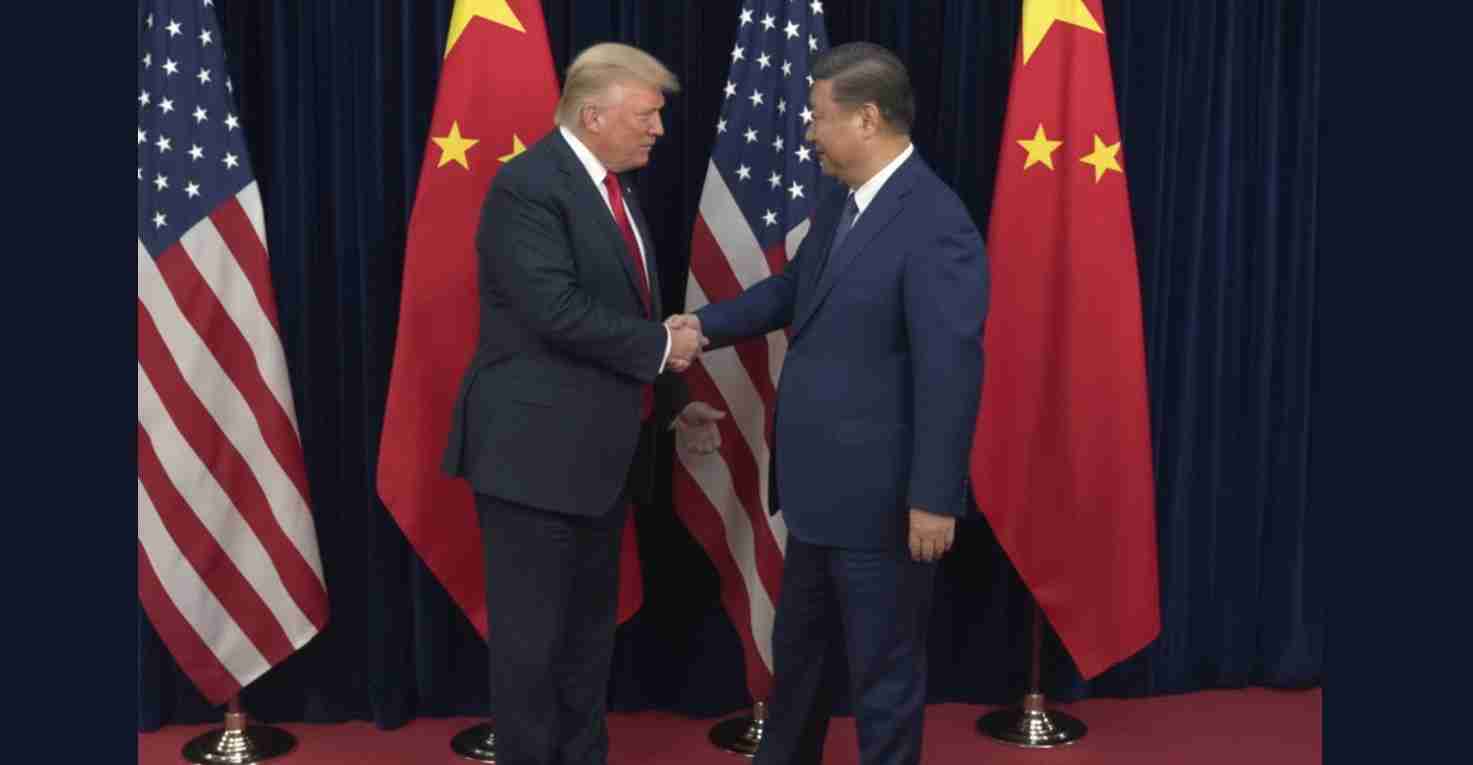
Trump signals big tariff cuts on Chinese imports as talks eye fentanyl enforcement, rare-earth issues — Xi says frictions are ‘normal’
President Donald Trump is considering significant cuts to tariffs on Chinese imports ahead of talks that may also cover fentanyl enforcement and rare-earth policies, signaling a possible de-escalation in U.S.-China trade tensions with wide economic implications.
- Tariff rollback signaled: Trump has publicly floated cutting tariffs “substantially,” framing reductions as bargaining leverage with Beijing (Fortune; ASICentral; The Register).
- Specific bargaining posture: Reports describe scenarios cutting peaks near 145% down toward ~80% in some proposals (Fortune; Finance & Commerce).
- Broader issues on the table: Negotiations may include fentanyl enforcement and rare-earth policies, though public records do not yet show binding, verifiable swaps tied to Xi’s statements.
Tariff reduction plans: what Trump has said and what that means
Public comments in April and May 2025 show a rhetorical shift from earlier hardline tariffs to a posture that entertains “substantial” reductions as part of bargaining. Reported scenarios place some levies moving from reported peaks toward an approximately 80% level in particular negotiating frameworks (Fortune; Fortune; Finance & Commerce).
What negotiators will need to clarify
- Which product lines and tariff rounds would be reduced.
- Whether reductions would be reciprocal or conditioned on verifiable Chinese commitments.
- Mechanisms for enforcement, timetables, and dispute resolution.
“These comments should be read as bargaining strokes, not finalized concessions,” analysts say. Watch for written texts that specify scope, timing and verification.
Fentanyl enforcement and rare-earths: negotiations, signals and what’s unclear
U.S. pressure on China to curb fentanyl precursor flows and synthetic opioid trafficking has become a recurring bilateral issue. Separately, rare-earth elements — crucial for EVs, electronics and defense — remain a strategic choke point because of China’s dominant refining position.
What reporting shows — and does not show
Some accounts link tariff bargaining to demands for stronger Chinese enforcement on fentanyl and clearer rare-earth export policies. However, the public record does not yet include explicit, verifiable written promises from Xi Jinping that trade relief will be exchanged directly for legally binding enforcement or policy pauses (Fortune; Fortune; Finance & Commerce).
- Enforcement detail: Public statements must be backed by customs, policing and export-control actions to form part of a reliable bargain.
- Rare-earth transparency: Any pause or change should include quotas, export-control language, and coordination mechanisms.
Market and economic implications
A credible, sizable tariff rollback could lower input costs for U.S. importers and reduce consumer prices for some goods, shifting near-term inflation dynamics. Businesses reliant on Chinese intermediates may see margin relief, while protected domestic producers could face stiffer competition.
Fiscal and sectoral tradeoffs
Tariffs generate federal revenue; cuts could reduce receipts absent offsets. Markets may welcome reduced uncertainty, yet effects will vary by sector: retailers and integrated manufacturers may gain, while some domestic producers lose protection (Fortune; Finance & Commerce).
Political and strategic calculations
Domestically, tariff moves are both economic policy and political messaging. The administration can portray cuts as consumer relief and growth measures while aiming to tie concessions to enforceable Chinese actions on law enforcement and supply-chain security.
Beijing’s framing — often describing disputes as “normal frictions” between major economies — can make compromise politically manageable in China. U.S. negotiators will likely insist on verifiable enforcement and clarity on rare-earth controls before large rollbacks.
Investigative gaps and what to watch for
- Written commitments: Seek documents or legal mechanisms that lock in Chinese enforcement actions, with timelines and verification.
- Enforcement detail: Public statements must be accompanied by concrete customs, policing, and export-control actions.
- Rare-earth transparency: Any change must specify export controls, quotas, or cooperative steps with allies and firms.
- Congressional response: Expect fights over trade authority, revenue impacts, and national-security waivers.
Implications for California
Economic impact
- Consumer prices: Californians could see lower prices for electronics, apparel and household goods if tariffs fall.
- Manufacturing & tech supply chains: Lower tariffs may reduce input costs for Silicon Valley and Southern California firms, though some protected local producers may face stiffer competition.
- Ports & logistics: Ports of Los Angeles and Long Beach may see shifts in import volumes, affecting warehousing, trucking and environmental outcomes.
Political and social consequences
State leaders will balance lower consumer costs against job and security concerns. Law-enforcement and border-security politics will be prominent if tariff relief is portrayed as tied to tougher fentanyl enforcement. Public-health outcomes matter: tightened international cooperation on fentanyl could materially affect overdose trends in urban centers.
What Californians should watch
- Official texts of any tariff deal, enforcement memoranda, or bilateral agreements specifying fentanyl measures.
- Congressional hearings and state leadership statements on offsets or conditions for tariff cuts.
- Local economic signals: port activity reports, inventory flows, and retail price movements in key categories.
Sources for reporting and verification
Reporting synthesized from public coverage; follow original pieces for context and confirmation:
- Fortune: Trump floats cutting China tariffs substantially, trade deal context.
- Fortune: Report on the 80% tariff proposal.
- Finance & Commerce: Coverage of talks and tariff scenarios.
- The Register: Summary of U.S.-China tariff reduction plans.
- ASICentral: Reporting on administration signals.
Reporting based on Times Media Service synthesis of public reporting from the sources above; look for written commitments, enforcement timelines, and verification if a deal emerges.


