Iran’s Strait of Hormuz closure imperils shadow shipping networks, threatens to squeeze Russia and China and drive up energy costs
Iran has declared the Strait of Hormuz off-limits, prompting insurers and shippers to reroute tankers, exposing clandestine shadow-fleet activity that enables sanctions evasion and tightening supplies to Russia and China, while Western interdictions escalate maritime and economic risk.
Key takeaways
- Immediate shipping disruption: tanker traffic has sharply declined as carriers reroute and insurance costs surge.
- Shadow fleets targeted: interdictions and seizures (including the MT Ethera) threaten covert oil flows that benefit Iran and Russia.
- Economic ripple effects: higher freight and energy prices will pressure global markets and hit buyers like China and sectors in California.
- Escalating maritime risk: military strikes and threats raise the chance of miscalculation at sea and longer-term supply shifts.
Key information
Iranian Revolutionary Guard Corps (IRGC) officials have declared the Strait of Hormuz off-limits and threatened to set fire to vessels, though senior Iranian diplomats have offered mixed messaging about an official closure (see the Wikipedia entry on the 2026 Iran war and Economic Times coverage).
Merchant tanker traffic has fallen sharply as shippers reassess risk, with major carriers rerouting around the Cape of Good Hope to avoid the Persian Gulf, Red Sea and Gulf of Oman (Open Magazine reporting).
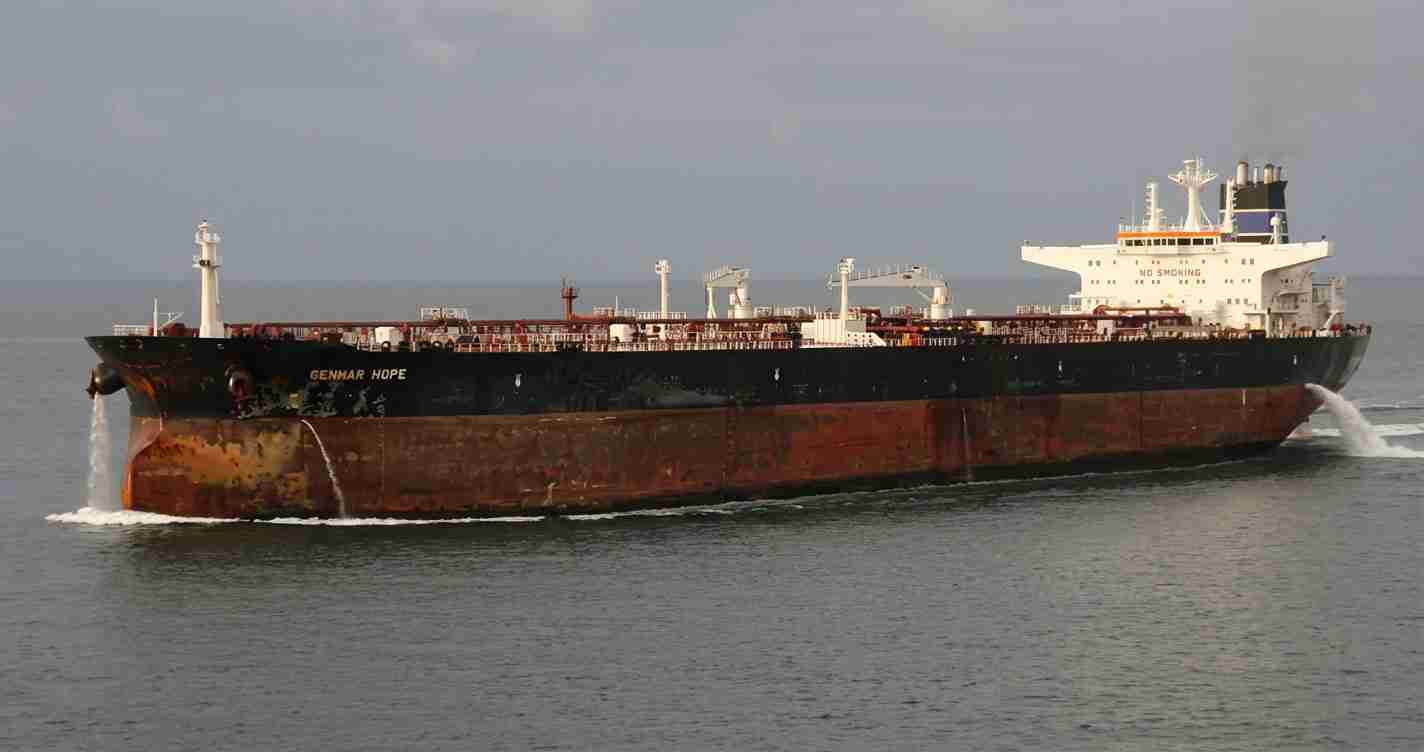
The disruption threatens shadow fleets — unflagged or covertly flagged tankers used for Iran sanctions evasion and Russia’s oil trade — and has already led to seizures and interdictions in European waters, including Belgium’s redirection and seizure of the MT Ethera (Economic Times reporting).
What has changed at sea
Iran’s threats have had an immediate practical effect. Insurance costs for transiting vessels have jumped. Some shipping companies have paused calls at Gulf ports or chosen the longer, slower route around southern Africa. That increases freight costs and transit times, and analysts warn a prolonged interruption will reverberate through oil and LNG markets and push prices higher.
“Even a partial shutdown forces importers and traders to find alternate supplies, often at higher cost.”
The Strait is one of the world’s busiest energy corridors; the risk-driven reduction in traffic also complicates just-in-time logistics for many goods.
Shadow shipping networks and sanctions evasion
Shadow shipping networks use unflagged ships, hidden ownership, ship-to-ship transfers and falsified papers to move oil outside normal market channels. They are crucial for states seeking to skirt Western sanctions.
Russia and Iran have relied on these networks to sell oil despite sanctions and price caps; China has been a major buyer of discounted or constrained supplies. If shadow-fleet operations are shut down or made too risky, buyers must either pay market prices or face shortages.
Western interdictions — legal action, seizures and diplomatic pressure — are demonstrating a willingness to act. Belgium’s seizure of the MT Ethera is a prominent example tied to networks reportedly linked to Iran’s leadership (Economic Times).
Military moves and maritime risk
The naval and military dimension is escalating. CENTCOM-released footage shows strikes on Iran-linked drone-carrying vessels, and U.S. officials say more than 30 Tehran-linked ships have been disabled since the offensive began, degrading Iran’s maritime capabilities.
These operations degrade Iran’s ability to both enforce a declared closure and protect clandestine shipments, but they also heighten the risk of wider confrontation and encourage ship operators to avoid the region entirely.
Maritime analysts describe the situation as more of a temporary, risk-driven shutdown than a legal closure, but the combination of threats and strikes raises the probability of miscalculation at sea.
Economic fallout and global ripple effects
Analysts warn the disruption could take months to unwind. Rerouting ships increases costs for all users; a shrinking shadow fleet reduces available high-risk, low-cost supplies for sanction-targeted states and discount-seeking buyers.
For Russia: reduced shadow-market access could cut revenues used to fund military operations. For China: higher energy costs translate into higher input costs for industry and possible inflationary pressure. For global markets: fewer low-cost options tighten competition for crude and refined products.
What enforcement looks like
Western enforcement operates across legal, naval and diplomatic fronts: seizures, redirections, warnings to third-party states, and tighter controls on routes to places like Cuba. These measures are designed to make sanctions evasion more dangerous and costly.
Unintended consequences: stricter policing can concentrate remaining shadow-fleet traffic into narrower routes, increasing density and making interdiction more complex and riskier.
Implications for California
Economic: higher crude and shipping costs feed into gasoline, diesel and fuel prices, and raise costs for manufacturers, farmers and retailers.
Economic
Port delays and higher container freight rates affect California exporters and consumers, potentially increasing prices for imported goods.
Energy security
Although California gets much domestic supply, national market linkages mean global price shocks can raise wholesale costs for utilities and fuel suppliers.
Supply chains
Higher shipping costs and delays—especially for components from Asia—raise costs for tech and defense manufacturers and can slow production timelines.
Political and policy implications
The crisis underscores the need for diversified energy sources and resilient supply chains; policymakers may press for strategic stockpiles, alternative suppliers, and investments in domestic refining and freight resilience.
Security and military posture
Increased tension near Hormuz could prompt reallocation of U.S. naval assets; California ports and shipyards may see changes in military logistics and maintenance demand.
Practical effects for residents
Commuters and families may face higher fuel and household energy prices; businesses could see longer deliveries and higher shipping bills. Consumers should expect longer timelines for goods with extended supply chains.
Sources and reporting
This article draws on contemporaneous reporting and open-source material, including the Wikipedia entry on the 2026 Iran war, Economic Times coverage, video commentary and expert analysis, and reporting on shipping route changes and market impacts.
Bottom line: The current crisis strains informal shipping routes that have kept sanctioned oil flowing. As Western interdictions rise and Iran presses threats, buyers face harder choices: pay higher market prices, accept shortages, or risk penalties by using gray routes. How long the disruption persists will determine whether pressures are temporary shocks or longer-term shifts.