Tehran economic protests escalate as tear gas fills streets; Tehran businesses close amid Iran currency crisis
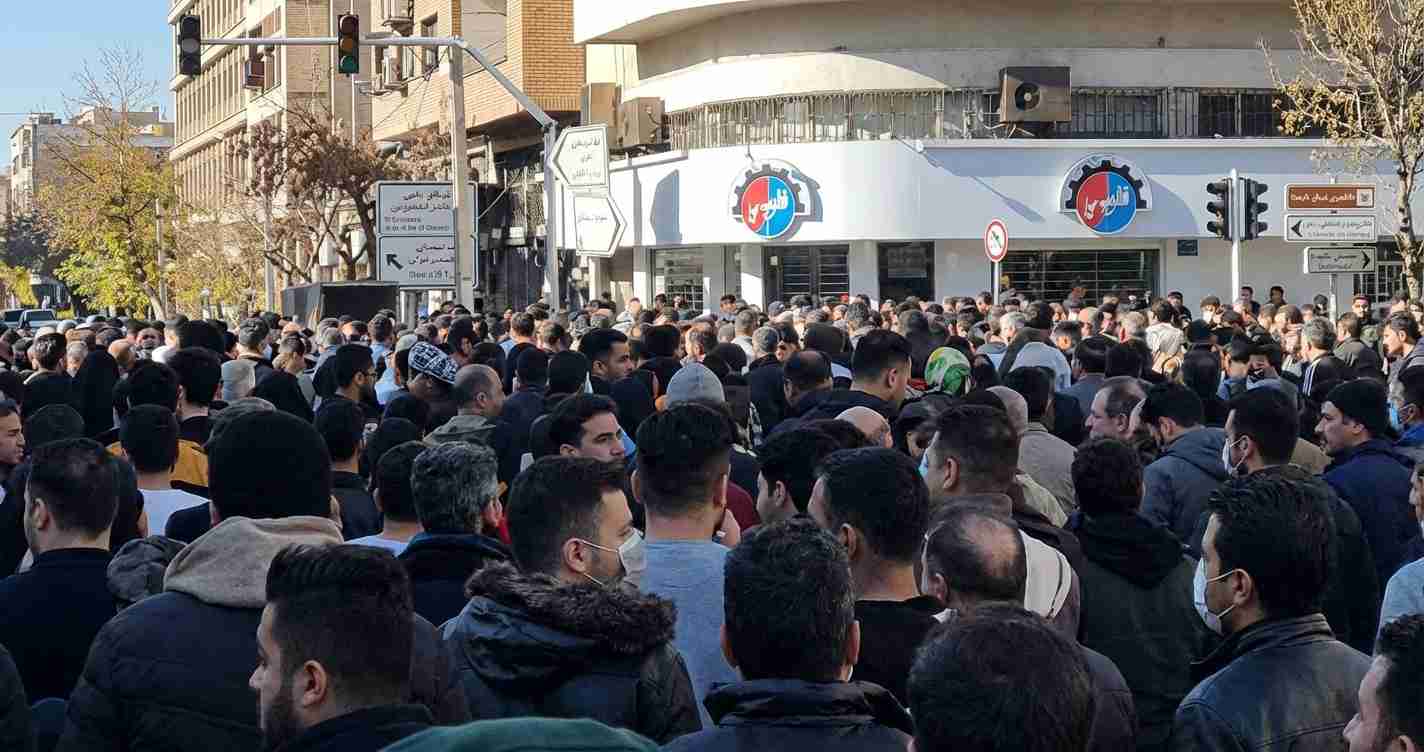
Mass protests erupted in Tehran on December 29, 2025, as citizens protested severe inflation, a record-low Iranian rial and an energy crisis; riot police used tear gas and many businesses closed for a second consecutive day.
- Large-scale economic protests in Tehran on December 29, driven by rising prices, a plunging rial and energy shortages — Radio Free Europe/Radio Liberty.
- Riot police deployed tear gas and visible crowd-control measures while many businesses remained closed for a second day — RFE/RL.
- Economic drivers: the rial hit record lows on foreign exchange markets, worsening inflation amid an ongoing energy crisis — RFE/RL.
- Unverified online claims about wider nationwide shutdowns and foreign leaders urging protests were not confirmed by available reporting — RFE/RL.
What happened in Tehran
On December 29, protesters took to the streets of Tehran to voice anger over soaring prices, the plunging value of the rial, and shortages tied to an energy crisis. Video and eyewitness accounts documented widespread closures of shops and marketplaces, and reporters noted that many businesses remained shut as a visible work stoppage.
Authorities deployed riot police who used tear gas to disperse crowds, a response documented in reporting by Radio Free Europe/Radio Liberty. The demonstrations represented a sharp escalation in public expression of economic frustration and appeared driven chiefly by economic pain rather than a single political demand.
Economic pressures fueling unrest
The protests are tightly linked to deep economic distress. The rial fell to record lows on foreign-exchange markets, making imports more expensive and pushing up prices for everyday goods. This has accelerated inflation and strained household budgets amid an ongoing energy crisis that has compounded hardships for ordinary Iranians.
Sanctions, long-term economic mismanagement, and global market forces have combined to amplify these pressures over time. While the December 29 demonstrations focused on immediate triggers — runaway inflation, a crashing currency and energy shortages — analysts frame the unrest as part of a broader pattern of deteriorating living standards. (See: Radio Free Europe/Radio Liberty.)
Verified and unverified reports
Available public reporting confirms the core account: economic protests in Tehran, use of tear gas by security forces, and widespread business closures. These elements are corroborated in RFE/RL’s coverage.
Some online claims — including that unrest had spread widely to cities like Mashhad, that the Grand Bazaar was shut nationwide, or that foreign political figures urged protesters to rise — were not confirmed by available reporting.
Readers should treat such unverified claims with caution until corroborated by reliable outlets reporting on specific incidents, locations, or statements.
How authorities responded
Security forces were reported to have used crowd-control measures, including tear gas, to disperse demonstrators in Tehran. Business closures and a tense atmosphere persisted throughout the day. The exact scale of arrests, injuries or damage was not detailed in the available public report; RFE/RL focused on visible security presence and economic causes of the unrest (RFE/RL).
International reaction and media attention
The demonstrations drew attention beyond Iran because they were driven by basic economic grievances that resonate globally. Some commentary and social media posts credited the movement with gaining international sympathy. However, claims of explicit calls for revolt from foreign political figures were not substantiated in the RFE/RL report reviewed for this article.
Readers are urged to rely on verified statements and reputable outlets when assessing international reactions and statements tied to the unrest (Radio Free Europe/Radio Liberty).
Implications for California
Economic ripple effects: Sharp shocks in a major oil-producing region or disruptions to crude exports can affect global energy prices. While Iran’s oil exports remain constrained, heightened unrest could add short-term volatility in energy markets, potentially putting modest upward pressure on gasoline and energy prices in California.
Supply chains and trade: Direct trade links between California and Iran are limited by sanctions, but instability that affects regional shipping, insurance or trading partners can create secondary effects for companies dependent on global supply chains.
Local communities and civic life: California’s sizable Iranian-American communities may respond with vigils, information sessions and advocacy, prompting local political and civic activity.
Practical effects: Short-term impacts could include slight increases in fuel prices, renewed media attention on Iran, and increased demand for community and mental-health services among families with ties to Iran.
Reporting note and sources
This article draws on reporting from Radio Free Europe/Radio Liberty, which documents the December 29, 2025 protests in Tehran, the use of tear gas by security forces, business closures, and the sharp fall of the Iranian currency. The RFE/RL report also notes limitations in confirming some widely shared claims.
Developments in fast-moving protests can change quickly. Claims circulating on social media or in unofficial channels may be difficult to verify; reliable updates will come from established news outlets and on-the-ground reporting that provide sourcing for specific incidents and statements (RFE/RL).