Iran capital flight: Ruling elite move “tens of millions” abroad as US sanctions target shadow banking
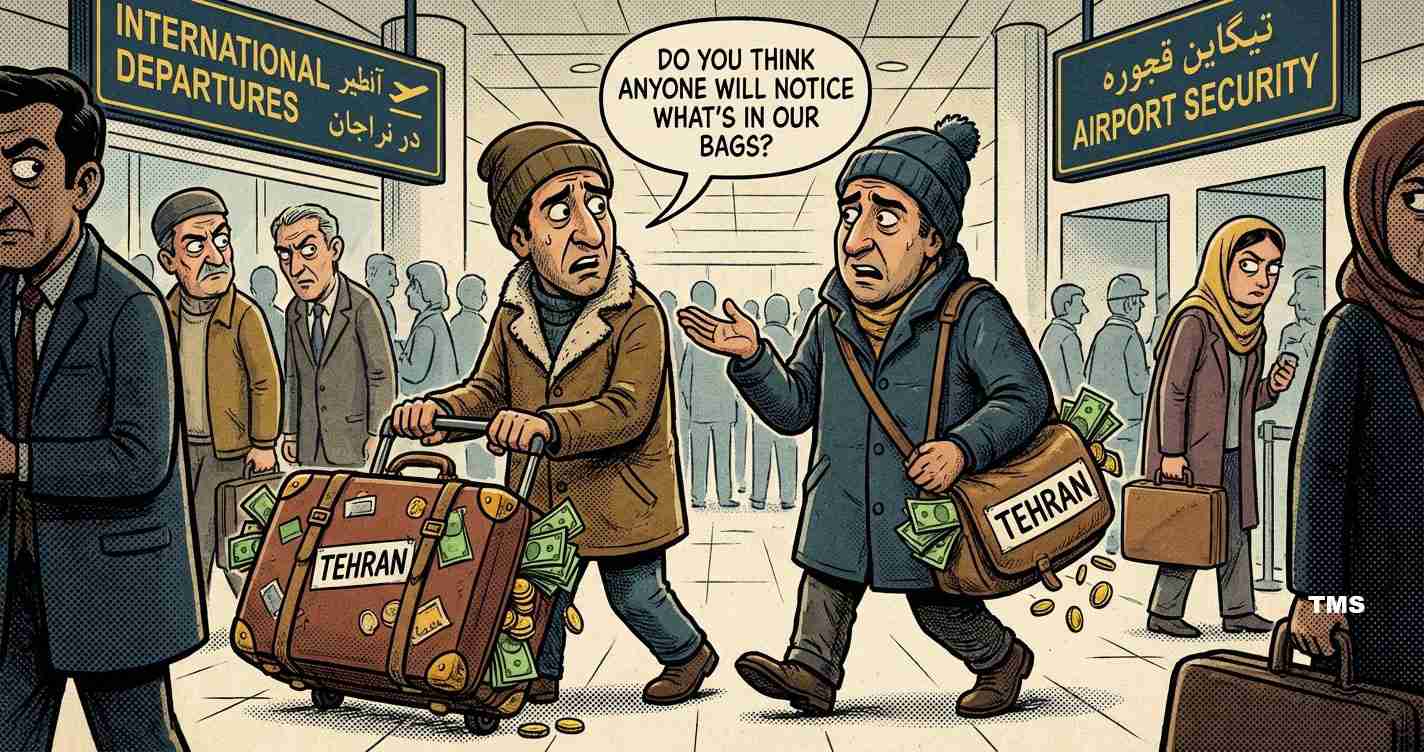
Tehran, Iran (Times Media Service) — Iran’s ruling elite have moved tens of millions abroad, largely to Dubai, amid expanded U.S. Treasury sanctions and nationwide protests, with reports of a $328 million transfer tied to Mojtaba Khamenei highlighting growing regime fragility.
Key takeaways
- U.S. sanctions target five officials and shadow banking networks to choke off routes used to launder revenue from natural resources.
- Capital flight — described by officials as “millions, tens of millions” — is reportedly routed largely to Dubai; one allegation cites a $328 million transfer tied to Mojtaba Khamenei.
- Methods increasingly include cryptocurrencies and informal channels as elites avoid conventional banks subject to sanctions enforcement.
- Impacts for California include heightened compliance risk for banks, real estate exposure, and political debate within Iranian‑American communities.
What OFAC announced and why it matters
On Jan. 15, 2026, the Treasury Department’s Office of Foreign Assets Control took action against five Iranian officials and multiple shadow banking networks accused of moving and laundering revenues tied to oil and other resources. The U.S. Treasury Department (OFAC) announcement notes the measures build on a broader campaign that in 2025 targeted more than 875 persons, vessels and aircraft linked to Iran’s evasion networks.
Officials say the design of the sanctions is to “choke off” financial channels that allow powerful insiders to protect and move assets overseas. U.S. authorities describe the effort as part of a “permanent enforcement regime” to track, freeze and — where possible — seize assets, while threatening secondary sanctions on institutions that facilitate transfers.
“The measures are intended to limit the ability of insiders to shelter wealth and to pressure intermediaries to increase compliance.”
Scale, destinations and reported transfers
U.S. officials and multiple reporting outlets say the recent outflows amount to “tens of millions” and possibly much more, with Dubai repeatedly cited as the primary hub for transfers and discreet asset holdings. Treasury officials called the flows unprecedented for their speed and scale.
One outlet, citing Channel 14, alleges Mojtaba Khamenei — the Supreme Leader’s son and a potential successor figure — transferred roughly $328 million as part of roughly $1.5 billion shifted by insiders. That report is not independently confirmed and is described by U.S. officials and media using cautious language. (See reporting on alleged transfers: Channel 14 reporting cited by Fox News.)
Methods used to move money
As conventional banks face increased scrutiny, elites are reportedly relying more on informal networks (hawala‑style), shell companies and digital assets. Multiple outlets note a growing turn to cryptocurrencies and crypto exchanges to convert rials into tokens and transfer value through less regulated routes — complicating enforcement across jurisdictions. (See coverage on digital channels: report on increased cryptocurrency use.)
Economic backdrop and protests
The capital flight coincides with severe economic distress: the rial has plunged to roughly 1.1 million per U.S. dollar, driven by sanctions, falling oil output and runaway inflation. That collapse has eroded purchasing power and helped spark nationwide protests that began in late December 2025.
Security forces have responded with deadly force. Some reporting cites thousands killed in a short period and notes the judiciary labeling demonstrators “mohareb” (enemies of God), a charge that carries the death penalty in extreme cases. (See economic and protest analysis: analysis of Iran’s economic distress).
Sanctions enforcement and calls for seizure
Analysts and U.S. officials view alleged elite transfers as a test of Treasury’s ability to trace, freeze and seize assets. Behnam Ben Taleblu, a senior fellow at the Foundation for Defense of Democracies, said the allegations — if confirmed — underscore the need to track, freeze and seize assets tied to Iran’s ruling elite. Authorities warn that secondary sanctions could affect any institution that knowingly or unknowingly helps facilitate these moves.
Strategic signal of regime fragility
U.S. officials have framed rapid, high‑value transfers as a geopolitical signal: when leaders move wealth abroad, it often reflects eroding confidence in a regime’s survival. One senior official used the metaphor “rats fleeing the ship” to describe the behavior; targeting figures tied to potential successors suggests analysts see high‑level panic and weakening cohesion.
Implications for California
Economic exposure and asset risk
California’s large real estate and financial markets make it a potential destination for wealth seeking safe, liquid assets. Historically, foreign capital has flowed into luxury property and business investments; if Iranian elites use shell companies or intermediaries to acquire California assets, those holdings could face sanctions enforcement and forfeiture actions, posing legal and financial risks for local buyers, lenders and insurers.
Sanctions compliance for California institutions
Banks, fintech firms and crypto platforms in California should prepare for heightened enforcement. OFAC’s willingness to impose secondary sanctions means firms must tighten anti‑money‑laundering controls and customer due diligence. Crypto companies face particular scrutiny given reported digital asset use in evasion. (See the Treasury action: U.S. Treasury Department (OFAC) announcement.)
Political, security and social effects
The crisis may reshape debates in California over immigration, humanitarian aid and engagement with Iranian‑American communities. Community organizations could play larger roles assisting displaced people while clarifying distinctions between ordinary diaspora members and sanctioned insiders. Media coverage of alleged asset moves could spur political debate about foreign influence and transparency.
Practical steps for Californians and local institutions
- Banks and financial institutions: Review OFAC guidance and tighten Know Your Customer (KYC) and transaction monitoring systems to detect suspicious flows. (See Treasury guidance.)
- Real estate and title firms: Increase due diligence on buyers using complex ownership chains or opaque funding sources.
- Crypto platforms: Reassess onboarding and transaction monitoring given reports of digital asset use in sanctions evasion. (See reporting on crypto use: report on increased cryptocurrency use.)
- Community leaders and policymakers: Engage with Iranian‑American communities to protect lawful activity while supporting accountability for illicit transfers and human rights abuses.
Reporting notes and sources
This report draws on the U.S. Treasury press release and reporting by multiple outlets on alleged capital movements by Iran’s ruling elite. Key sources include:
- U.S. Treasury Department (OFAC) announcement
- Reporting on capital flight and regime fragility
- Channel 14 reporting cited by Fox News on transfers tied to Mojtaba Khamenei
- Analysis of Iran’s economic distress
- Reporting on increased cryptocurrency use
Preserved facts and URLs above reflect sourcing cited in original reporting.