Mojtaba Khamenei Named Iran’s New Supreme Leader as Assembly of Experts Holds Contested Vote Amid Escalating Iran Regional Conflict
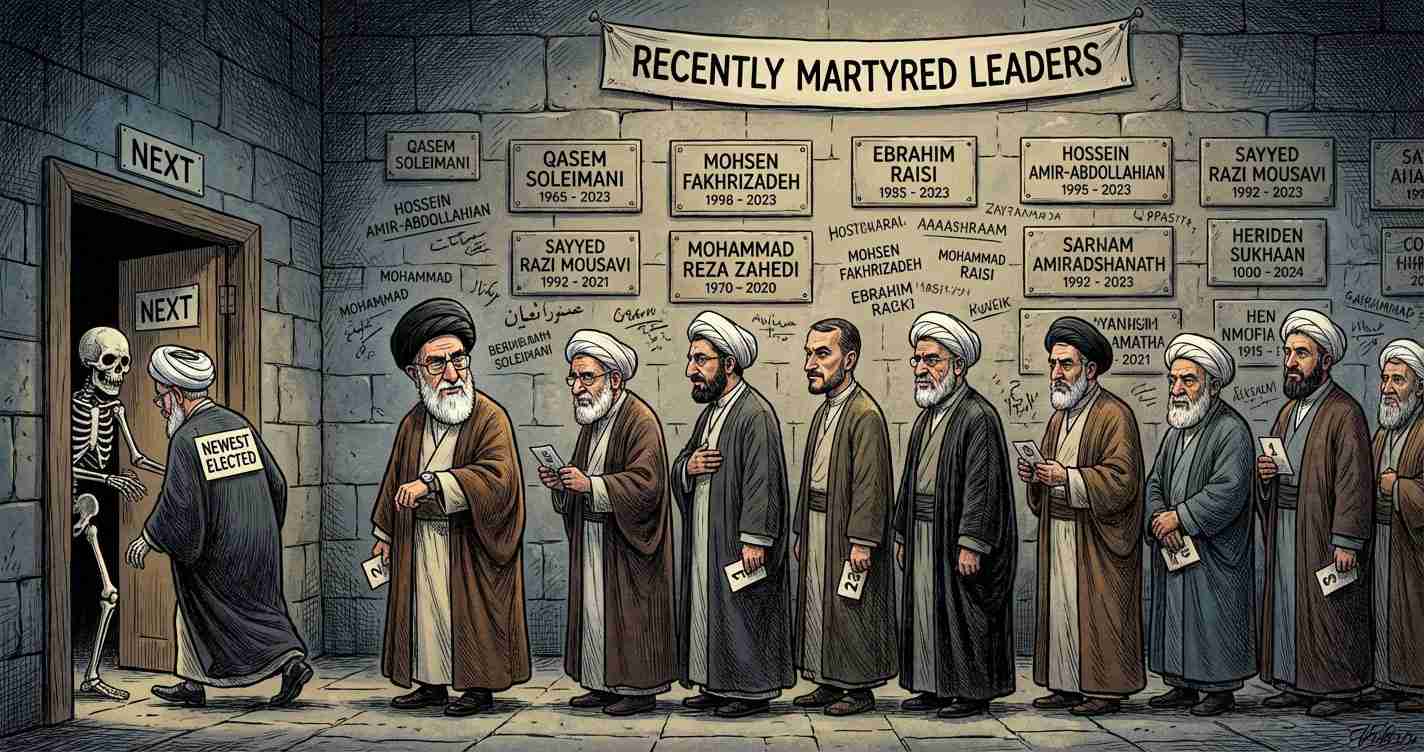
The Assembly of Experts officially named Mojtaba Khamenei Iran’s Supreme Leader on March 8, 2026, after his father’s death, in a contested vote amid escalating regional conflict and intense international scrutiny over Iran’s hard-line trajectory.
- Rapid, contested succession: The 88-member Assembly elected Mojtaba Khamenei in a vote held under tight security during an active regional war.
- Security-first leadership: Mojtaba’s deep ties to the IRGC and limited senior clerical credentials raise the prospect of a more militarized governance style.
- Regional escalation: The appointment comes amid strikes across the Gulf and mounting fears of broader confrontation that could disrupt energy and commerce.
- U.S. and international concern: Washington’s posture is complicated by existing U.S. sanctions on Mojtaba and swift global calls for de-escalation.
Key information
– The 88-member Assembly of Experts elected Mojtaba Khamenei, the second-eldest son of the late Ayatollah Ali Khamenei, as Iran’s supreme leader on March 8, 2026, according to Iranian state media and officials (sources: Jerusalem Post; Aspen Public Radio).
– The vote took place amid an active war that began after joint U.S.-Israeli airstrikes struck Tehran on Feb. 28, 2026, killing Ali Khamenei and setting off retaliatory strikes across the Gulf (sources: Euronews; Aspen Public Radio).
– Mojtaba, aged 54–56, is a mid-ranking cleric with strong ties to the Islamic Revolutionary Guard Corps (IRGC) and a long record as an influential, behind-the-scenes operator rather than a public officeholder (sources: Jerusalem Post; Euronews).
– The U.S. sanctioned Mojtaba in 2019 under Executive Order 13867 for acting in an official capacity on behalf of the supreme leader despite lacking an elected government post (source: CBS News).
Background on Mojtaba Khamenei
Mojtaba Khamenei was born in Mashhad in 1969 and moved to Tehran with his family as his father rose through Iran’s revolutionary leadership. He attended Alavi High School and graduated in 1987, later beginning formal clerical studies in Tehran after 1989 (source: The Telegraph).
Observers describe Mojtaba as politically savvy with deep family and IRGC connections but lacking the senior religious credentials traditionally expected of a supreme leader. U.S. diplomatic cables from 2008 portrayed him as capable, forceful, wealthy and well-allied — a behind-the-scenes power broker who built influence via patronage and security ties rather than elected office (sources: Euronews; Jerusalem Post; CBS News).
Assembly of Experts election and context
The Assembly of Experts — an 88-member body of clerics elected by the public but dominated by regime loyalists — met mostly online under tight security amid what Iranian officials described as “heavy pressure” from the IRGC. The vote was announced after a delay.
“A firm opinion reflecting the majority view,” said Assembly member Mohammad Mehdi Mirbagheri, while another member said the choice would “continue the path of Imam Khomeini and the path of the martyr Imam Khamenei.”
Iran’s foreign ministry initially denied media reports about the choice, adding to confusion in Tehran and international capitals; state media later urged the public, political figures, intellectuals and clergy to pledge allegiance to the new leader (source: Jerusalem Post).
Critics say the speed and secrecy of the selection, held during active conflict and with apparent IRGC influence, raise serious questions about legitimacy and whether clerical qualifications were subordinated to regime continuity and security priorities.
Regional conflict developments
The appointment coincides with a widening Iran regional conflict. In the days surrounding the Assembly vote, Iran launched missile and drone strikes at U.S. partners and bases across the Gulf, including attacks that struck a desalination plant in Bahrain and ignited a tower fire in Kuwait City (source: Euronews).
The U.S. confirmed the seventh service member death from Iranian attacks on Saudi bases during the early days of the war (source: Aspen Public Radio). Israel replied with strikes on Iranian oil facilities and publicly vowed to target regime successors.
International reactions and U.S. posture
International leaders reacted quickly: French President Emmanuel Macron urged Iran to halt strikes, while China called for a ceasefire and offered mediation (sources: Euronews; Aspen Public Radio).
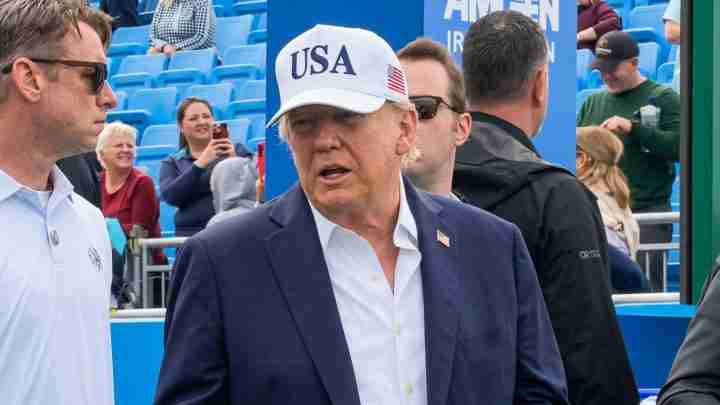
On the campaign trail, former U.S. President Donald Trump criticized the selection, calling Mojtaba “unacceptable” and a “lightweight,” and urged a stronger U.S. role in shaping outcomes. Washington’s posture is complicated by Mojtaba’s 2019 sanctions under Executive Order 13867 (source: Jerusalem Post; CBS News).
What experts say
Analysts warn Mojtaba’s ascent could signal a more security-driven Iran, with the IRGC’s influence growing and political openings shrinking. His relative lack of heavyweight religious credentials could make him dependent on military and intelligence elites to consolidate power, raising risks of aggressive regional posturing.
Other analysts note the Assembly has historically managed succession via compromise and power-sharing; a fragile or contested hold on leadership could invite internal rivalries and instability within Iran’s clerical and security establishments (source: CBS News).
Implications for California
Economic and energy exposure: California could feel effects from sustained Gulf instability through higher oil prices, market volatility and disrupted shipping — impacting transportation, goods costs and inflation-sensitive sectors.
Security and homeland risks: Escalation raises the chance of cyberattacks or proxy operations targeting U.S. assets. California hosts major ports, tech firms and defense contractors; entities should review cyber and supply-chain threat plans.
Local politics and communities: Large Iranian and Middle Eastern diasporas in California may see intensified protests and political activity. Local leaders should monitor tensions and prepare community safety guidance.
Defense and military concerns: State military installations and defense suppliers could face increased deployment tempo and demand for support services.
Economic diplomacy and trade: Universities and businesses with Gulf ties should reassess evacuation and contingency plans for staff and students abroad.
Public messaging and political calculus: For California’s moderate conservative audience, the selection of a leader with deep IRGC ties underscores concerns about regional stability and pressure for a firm U.S. posture.