TALLINN, Estonia, July 7 (World Daily Times) — Starship Technologies said it is shifting more than 1,200 delivery robots out of U.S. university campus service and into grocery and hot-food delivery in cities across the United States and Europe.
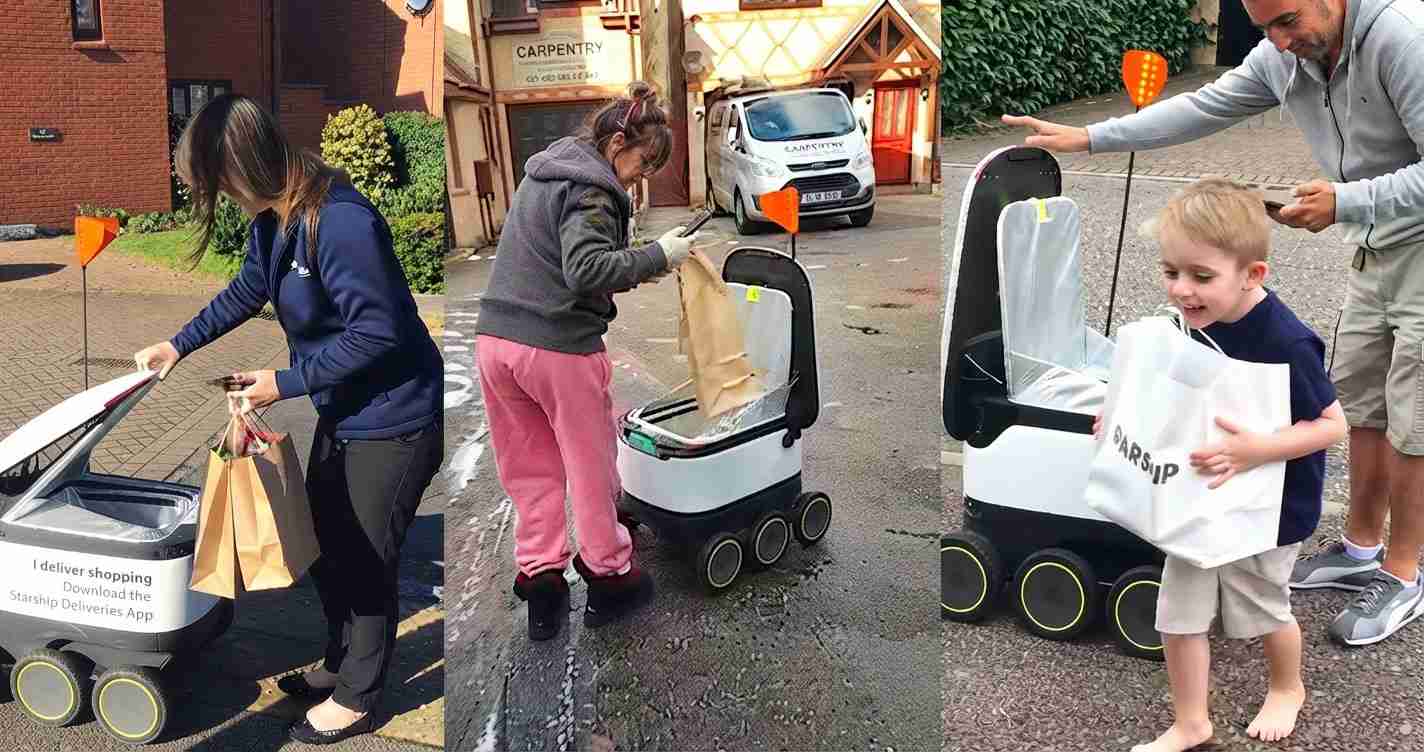
The move is less about a new robot than a new job for the same fleet. On campuses, the robots have mainly handled short food runs in a controlled setting. In cities, Starship says they will be used for grocery orders and restaurant deliveries, which need year-round service and different logistics.
Why is Starship making the switch?
The company says campus delivery and grocery delivery are not the same business. In statements quoted in coverage, Starship described campus work as seasonal and contract-driven, while grocery delivery is a 365-day urban business that depends on different infrastructure, retail partners and a different sales approach.
Starship also said its grocery-delivery business is on a “10x growth trajectory” over the next two years, driven by demand from major retailers in the U.S. and Europe. That is the company’s own projection.
What happens to campus service?
Starship said it has worked with university campuses and industry partners so service can continue through the 2026-2027 back-to-school season, with transition plans meant to reduce disruption. Coverage of the company’s announcement described the campus pullback as a winding down of U.S. campus operations; one report said the company is exiting the college and university segment entirely.
That leaves an important distinction: the robots are not disappearing, but their role is changing. Instead of serving mainly campus meal runs, Starship says the machines will be aimed more at city deliveries for grocery chains and restaurants.
Why does this matter?
For Starship, the shift shows where it believes the strongest demand is. For campuses, it marks a change in a service that has become part of student dining and local food delivery in some places. The company did not identify all of the specific campuses or retail partners receiving the robots in the materials reviewed.
The broader takeaway is simple: autonomous delivery robots are moving from a campus testing ground into a harder, busier market. Starship says that market is now grocery and restaurant delivery in cities.