Newsom, states sue USDA as SNAP benefits face Nov. 1 cutoff; governor invokes Scripture, calls GOP move “cruelty as policy”
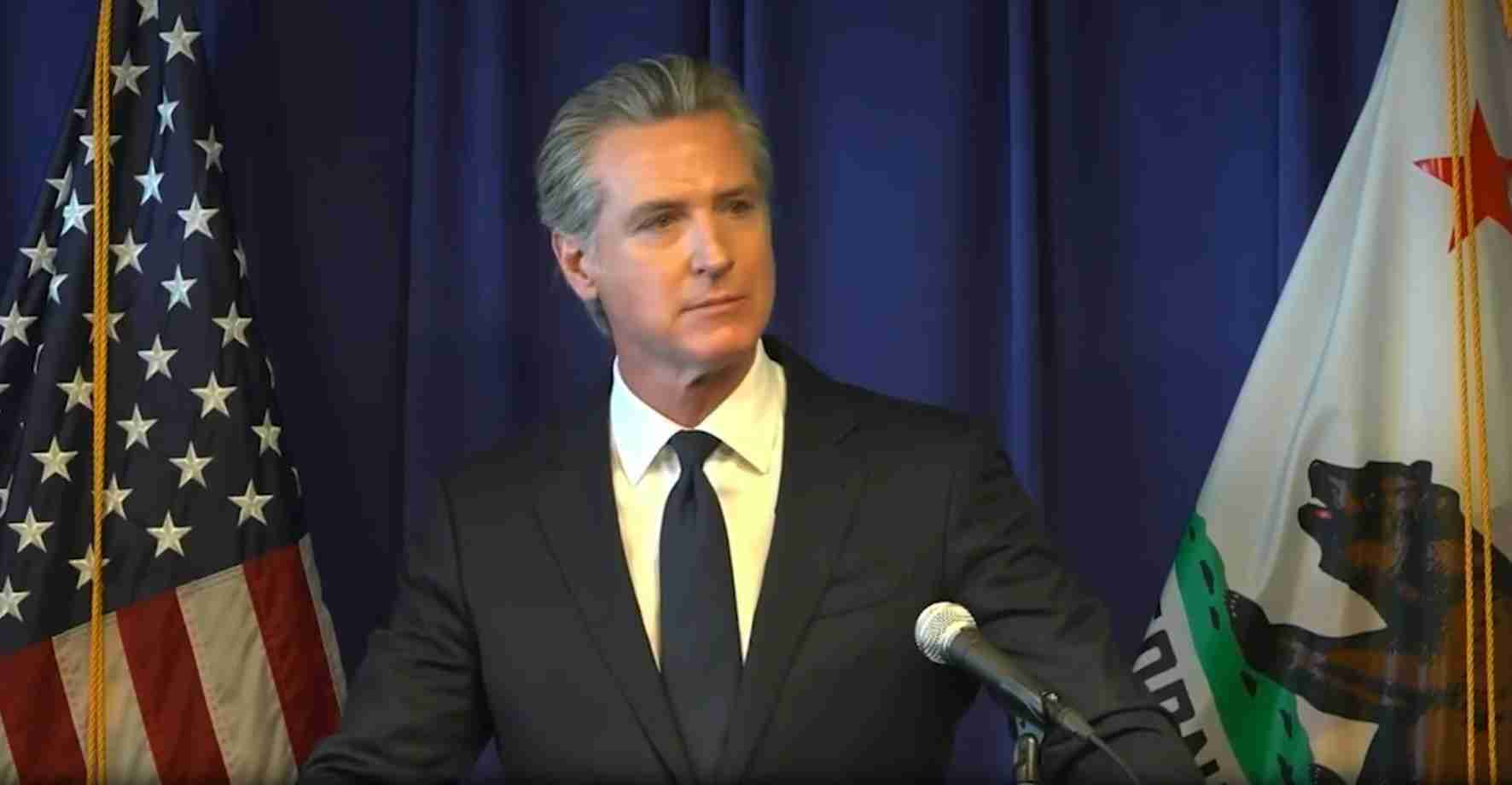
Governor Gavin Newsom and several states sued the U.S. Department of Agriculture to prevent a November 1 SNAP benefits cutoff amid a federal shutdown, calling the threatened interruption “cruelty as policy” and urging courts to protect vulnerable households.
- Multistate lawsuit: California and other Democratic-led states sued the USDA to maintain SNAP benefits during the shutdown; see the video of Newsom’s remarks.
- Moral framing: Newsom publicly accused Republican leaders of putting partisan aims over the needs of low-income families, invoking Scripture and calling the threatened cutoff “cruelty as policy.”
- Immediate deadline: Plaintiffs say a possible November 1, 2025 cutoff threatens millions who depend on SNAP for groceries.
Key information
Below are the central facts and sources tied to the legal action and political response.
- Legal challenge: California joined other Democratic-led states in suing the U.S. Department of Agriculture to keep SNAP benefits flowing despite a federal shutdown. (See the source video.)
- Newsom’s remarks: The governor accused Republican leaders and the Trump administration of prioritizing partisan goals over low-income families and used Scripture in public comments, labeling the threatened cutoff “cruelty as policy.” (See the source video.)
- Deadline risk: The lawsuit responds to a potential November 1, 2025 date when SNAP benefits could be disrupted if federal funding and administrative actions stop. (See the source video.)
- Disproportionate harm: Plaintiffs argue a cutoff would disproportionately affect children, seniors and low-income households. (See the source video.)
What the lawsuit seeks and why it matters
California’s filing asks a federal court to order the USDA to continue administering the Supplemental Nutrition Assistance Program (SNAP) during the government shutdown. The states argue that failing to process and distribute benefits would cause immediate harm to people who rely on monthly food assistance.
“Government should protect the least fortunate rather than use them as leverage in political fights,” Governor Newsom said in public remarks, invoking Scripture and urging judicial intervention.
Legal and practical stakes
Operational risks: The shutdown limits federal agencies’ ability to operate, creating two main risks for SNAP — inability to process claims and potential denial of benefit issuance without continued funding or agency direction.
States’ argument: Plaintiffs say the USDA has the authority and obligation to prevent harms created by the shutdown when possible, and that allowing benefits to stop would violate federal obligations and state residents’ rights.
Federal defense: The government is expected to argue that executive authority is constrained during appropriations gaps and that Congress, not the courts, must resolve funding impasses.
Political framing and use of Scripture
Newsom’s invocation of Scripture shifts the debate from technical legalities to moral language intended to resonate across a broad electorate, including moderate conservatives. By framing the cutoff as moral harm, the governor sought to broaden support among faith-based communities and volunteers.
At the same time, his rhetoric directly challenges Republican leaders and the Trump administration, accusing them of placing partisan loyalty ahead of everyday Americans’ needs — a core argument in the states’ filings.
How this fits into a larger pattern
State lawsuits to protect social safety nets during shutdowns are not new, but this action escalates the visible clash over federal responsibilities and the human cost of budget gridlock. SNAP serves millions; any interruption would produce immediate effects on grocery buying and food security.
The legal fight will test whether courts can compel federal agencies to act during funding gaps to prevent imminent harm, and whether states can rely on judicial remedies when Congress fails to act.
Voices and reactions
Supporters: Democratic governors and state attorneys general backing the suit argue immediate humanitarian needs require judicial intervention.
Opponents: Republican leaders and some federal officials are likely to emphasize the political nature of appropriations and insist Congress must restore funding, framing the lawsuit as a partisan attempt to shift responsibility.
Implications for California
Economic impact
California, with one of the largest SNAP populations, could see reduced consumer spending at grocery stores, farmers markets and small retailers if benefits stop. That decline may affect local businesses and municipal revenues.
Political consequences
For moderate conservative voters, the case raises questions about priorities and governance. California’s lawsuit reinforces the governor’s stance that the state must shield residents from federal disruptions, which may influence public expectations of state action.
Social effects
Children, seniors and disabled adults face the most immediate harm. SNAP often covers a majority of weekly groceries; a sudden cutoff could force families to choose between food and medicine, rent, or transportation.
Cultural and community responses
Newsom’s religious language aims to mobilize faith-based networks and charities that provide food aid. Cross-partisan appeals could encourage congregations and nonprofits to coordinate emergency assistance with state agencies.
Practical implications for daily life
Households should monitor official state and county social services notices for changes to SNAP issuance. Counties often maintain lists of food banks and emergency resources and will be central distribution points if federal benefits are interrupted.
What to watch next
- Court timetable: Watch for filings and a judge’s response; emergency relief will determine whether SNAP continues past November 1. (See the source video.)
- Congressional action: Any appropriations agreement or stopgap measure could overtake the lawsuit.
- USDA guidance: Federal agency statements may clarify whether states can issue benefits during the shutdown.
- State operations: County and state social services announcements will show how California plans to respond operationally if benefits are interrupted.
Source material
Video of Governor Gavin Newsom’s remarks and discussion of the lawsuit: video of Newsom’s remarks