Newsom Opens More Than 200 California State Parks Free on MLK Day, Challenging Trump Administration’s New Fee-Free Calendar
On January 16, 2026, Gov. Gavin Newsom announced that more than 200 California state parks will waive vehicle day-use fees on Martin Luther King Jr. Day, Jan. 19, 2026, countering federal removal of MLK Day from fee-free dates.
Key takeaways
- Free vehicle day-use: Over 200 participating California State Parks will offer free vehicle day-use entry on Jan. 19, 2026 — see parks.ca.gov/MLKDay2026.
- Private funding: The one-day fee waiver is paid for by the California State Parks Foundation, not state taxpayer dollars.
- Political context: The action directly responds to the Trump administration’s decision to remove MLK Day from the 2026 federal fee-free calendar.
- Plan ahead: Some parks and specialized sites are excluded; check the participating list and be prepared for crowds.
What Gov. Newsom announced
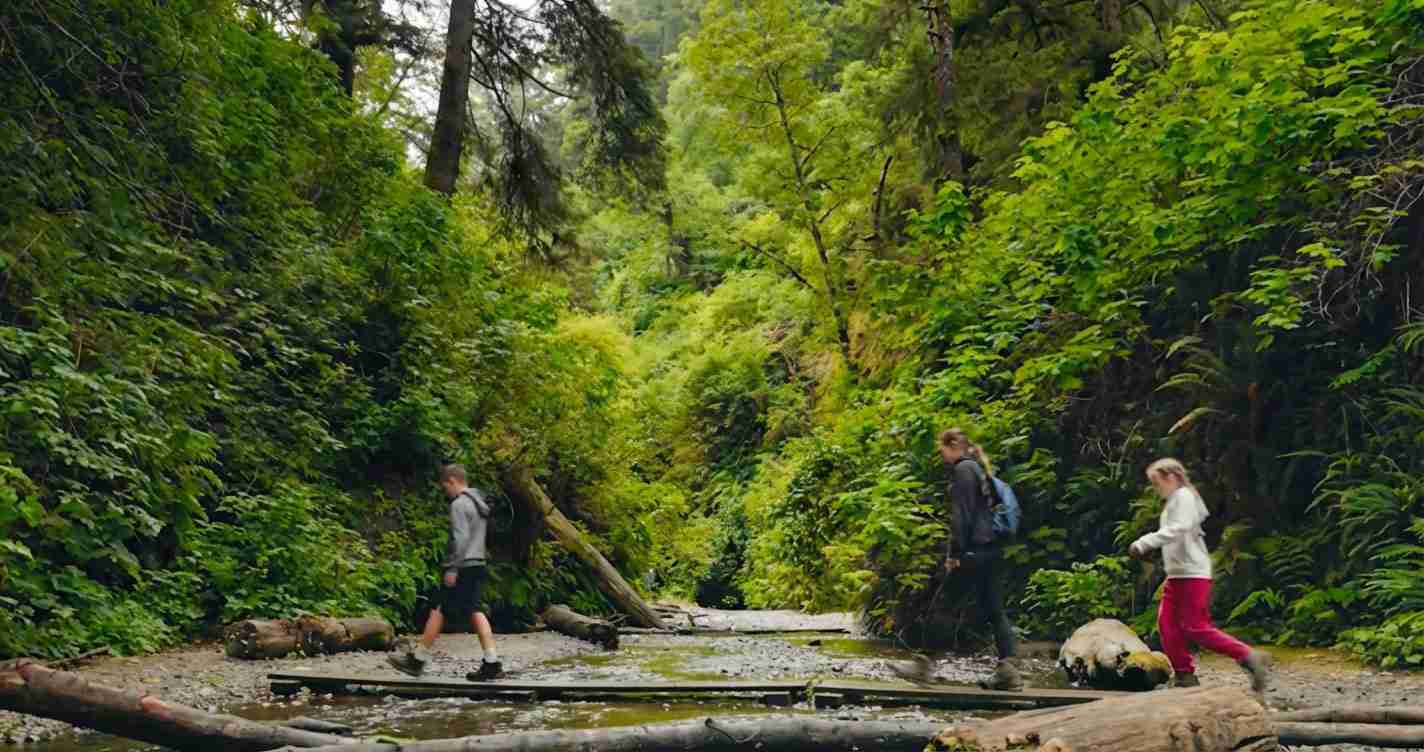
On Jan. 16, 2026, Governor Gavin Newsom said that more than 200 California state parks will offer free vehicle day-use entry on Martin Luther King Jr. Day, Jan. 19, 2026. The announcement, made with First Partner Jennifer Siebel Newsom and State Parks Director Armando Quintero, was framed as a state-level response to federal changes affecting the national parks’ fee-free calendar.
Governor’s message
“Get outside, reflect, and recommit”
— Newsom invoked Dr. King’s words about light overcoming darkness and urged Californians to use park visits as opportunities for reflection and civic recommitment. The administration highlighted programs such as Reexamining Our Past to provide curated historical and cultural resources at park sites.
Federal policy changes that prompted the state move
In late 2025 the Trump administration revised the National Park Service’s 2026 fee-free dates, removing Martin Luther King Jr. Day, Juneteenth and National Public Lands Day and adding dates such as Flag Day (June 14), Constitution Day, the NPS 110th anniversary and Theodore Roosevelt’s birthday. Coverage noted the political contrast — Flag Day coincides with the former president’s birthday — and that the federal swap ended a practice of MLK Day fee-free entry that began in 2018.
How the free entry program will work
Scope: The waiver applies to vehicle day-use entry at participating California State Parks on Jan. 19, 2026 only.
- The California State Parks Foundation underwrites the vehicle-fee waiver. No state general-fund dollars are being used for the one-day program.
- Coverage: one passenger vehicle (up to nine people) or one highway-licensed motorcycle per vehicle at participating parks.
- Exclusions: sites that charge per-person fees, some specialized venues (e.g., Hearst Castle), and off-highway vehicle areas are not included. Check parks.ca.gov/MLKDay2026 for the full list and exclusions.
Scope and regional examples
The program covers more than 200 parks statewide. In the Bay Area more than 70 parks will participate. Examples by region include:
- El Dorado: Auburn State Recreation Area, D.L. Bliss State Park, Emerald Bay State Park.
- Kern: Red Rock Canyon State Park, Tule Elk State Natural Reserve.
- Los Angeles: Antelope Valley California Poppy Reserve State Natural Reserve, Malibu Creek State Park.
- Orange: Bolsa Chica State Beach, Crystal Cove State Park.
- San Diego: Anza-Borrego Desert State Park, Cuyamaca Rancho State Park.
A full participating-park list is posted at parks.ca.gov/MLKDay2026. Many parks also accept the California State Library Parks Pass year-round.
Funding, politics and operational questions
Funding: The California State Parks Foundation pays for the fee waiver. State officials emphasized that no taxpayer money funds this one-day program.
Operational issues: Higher visitor counts on a holiday can increase parking, staffing, safety and cleanup needs. Press materials do not specify whether the foundation’s grant covers added staffing or operational costs incurred by greater attendance.
Coverage and responses so far
News outlets from national to local covered the move, highlighting the political contrast with the Trump administration’s fee-free calendar changes. Early reports noted no immediate federal rebuttal to state measures filling the MLK Day gap.
Implications for California
Economic impact
- Short-term boost: Expected rise in visitors may increase spending at nearby businesses — food vendors, gas stations, outfitters — and put pressure on regional roads and parking.
- Cost management: Although the foundation funds the waiver, park managers may face higher wear-and-tear and staffing needs that could create unfunded costs.
Political consequences
For some conservatives, the use of private foundation money to preserve MLK Day access addresses fiscal concerns while signaling opposition to the federal decision. For broader audiences, the move reinforces California’s autonomy in cultural and access priorities and sharpens a state-versus-federal framing ahead of key political milestones.
Social and cultural effects
Making parks free on MLK Day can lower barriers for families and communities, supporting conservation education and civic engagement. Programs like Reexamining Our Past aim to deepen public understanding of civil rights history within park settings.
Practical takeaways for residents
- Check the list: Confirm participation and exclusions at parks.ca.gov/MLKDay2026.
- Expect crowds: Arrive early, pack essentials, and prepare for limited on-site services at some parks.
- Have a backup: If a site reaches capacity, consider alternative parks or plan a visit on another day; many parks accept year-round passes.