New Judges Fill Vacancies in 13 Counties
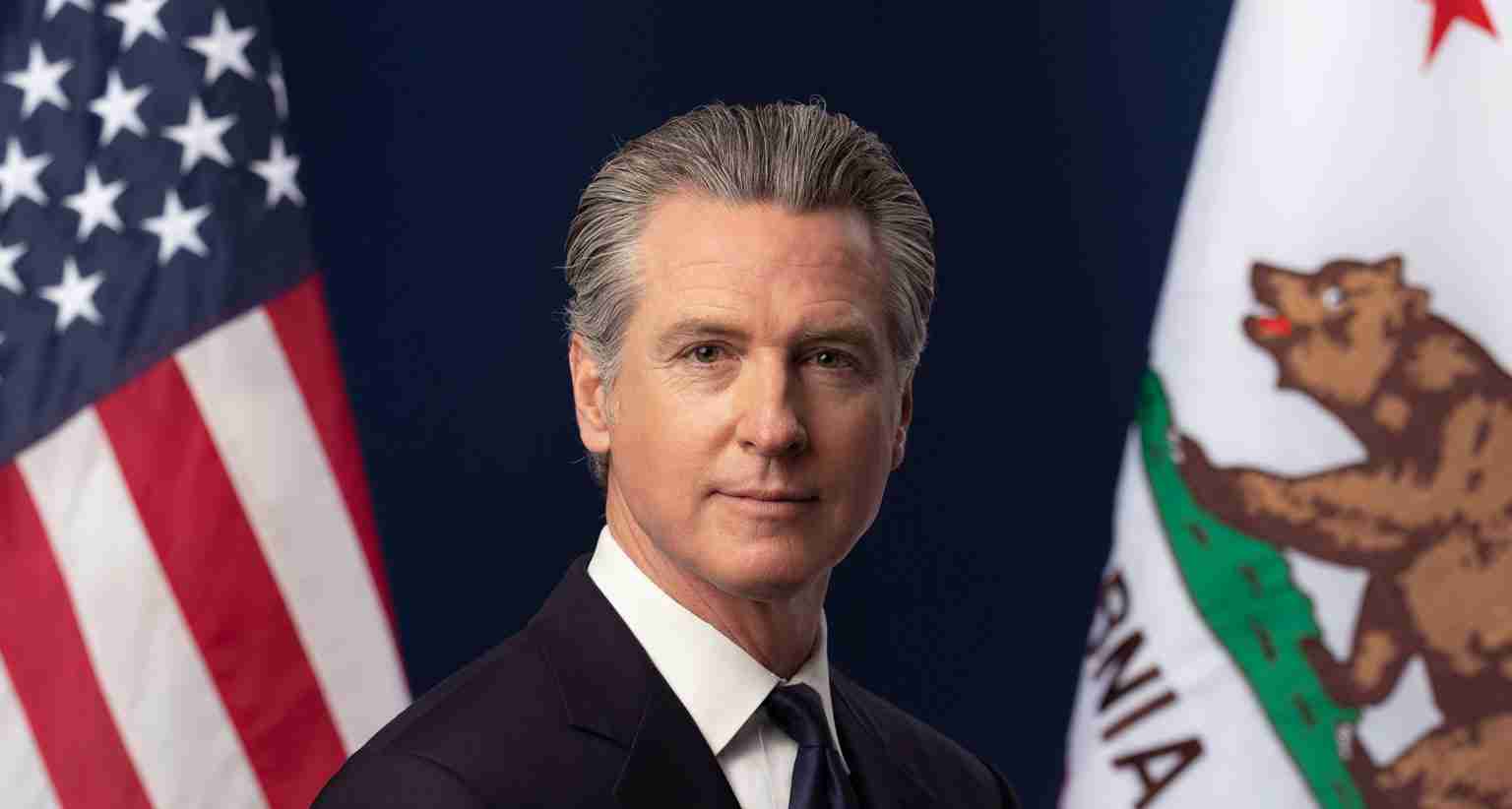
California (Our California Times) – Governor Gavin Newsom has appointed 15 new Superior Court judges to trial courts in 13 counties, continuing a yearslong reshaping of California’s judiciary through a mix of prosecutors, public defenders, civil practitioners and court commissioners.
Key areas this article covers
-
Where the new judges will serve and which vacancies they fill
-
Professional and political backgrounds of the appointees
-
How Superior Courts fit into California’s justice system
-
How these appointments align with Newsom’s broader judicial record
-
What the changes could mean for local communities and court users
Statewide appointments
Newsom’s newest class of 15 Superior Court judges includes one appointment each in Alameda, Kern, Kings, Madera, Placer, San Bernardino, San Francisco, San Mateo, Santa Barbara and Ventura counties, as well as two in Contra Costa County and three in Los Angeles County. California has 58 Superior Courts—one in each county—that serve as the state’s primary trial courts for both criminal and civil cases.
Superior Courts handle everything from felony prosecutions and family law to small claims and traffic infractions, meaning new judges can affect how quickly cases move and how consistently laws are applied in their communities. The Governor’s Office has highlighted judicial appointments as a key part of Newsom’s legacy, noting that he has now made hundreds of appointments to trial and appellate courts since taking office in 2019.
Who was appointed and where
The appointments span urban, suburban and rural regions, with many appointees already rooted in their local legal communities. In Alameda County, Ernesto “Ernie” Castillo, a longtime criminal defense attorney and owner of a local law practice, will fill a vacancy created by the retirement of Judge Morris D. Jacobson. Two new judges join the Contra Costa County Superior Court: Hanni Fakhoury, a partner with experience in public defense and digital rights work, and Amanda Karl, a civil litigator and former federal law clerk, filling vacancies left by Judges Charles S. Treat and Charles B. Burch.
In Kern County, Deputy County Counsel Jennifer Feige moves to the bench, filling a vacancy created by the resignation of Judge Elizabet Rodriguez. Kings County’s new judge, Ismael Rodriguez, comes from private practice after earlier service as a Tulare County deputy district attorney, filling the seat vacated by Judge Michael J. Reinhart’s retirement.
Los Angeles County gains three new judges with varied backgrounds in private practice, public defense and complex civil litigation. Sarvenaz Bahar, who has led her own firm and previously worked at a major international law firm and a human rights organization, will fill a vacancy created by the retirement of Judge Jacqueline H. Lewis. Jessica Vazquez, a longtime public defender in Los Angeles, steps into a role left open by the retirement of Judge Sanjay T. Kumar. Cherisse Heidi Alcantara Cleofe, a partner at a litigation firm with extensive experience in complex cases, replaces retired Judge Stuart M. Rice.
Elsewhere in the state, Madera County’s new judge, Daniel Walters, comes from the Fresno County District Attorney’s Office and will fill a vacancy created by the retirement of Judge Brian T. Austin. In Placer County, Commissioner Shani Roark, who has experience in both public defense and civil practice and has already been serving on the court as a commissioner, will take over the seat of retired Judge Alan V. Pineschi.
In San Bernardino County, Assistant U.S. Attorney John Balla, who has prosecuted cases in both California and New Mexico and served in leadership roles in the U.S. Attorney’s Office, will fill the vacancy created when Judge Corey G. Lee was elevated to the Court of Appeal. San Francisco’s new judge, Justine Cephus, moves from the San Francisco City Attorney’s Office after many years as a local prosecutor and will replace retired Judge Ross C. Moody.
San Mateo County Assistant County Counsel David Silberman, who has held multiple leadership roles in that office and clerked for federal courts, will fill the vacancy created by the retirement of Judge Nina G. Shapirshteyn. In Santa Barbara County, Senior Public Defender Sydney Bennett—who has spent most of her career in that county’s public defender’s office—will fill a seat vacated by the resignation of Judge Michael J. Carrozzo.
Ventura County’s appointment goes to Commissioner Brian Sottile, who previously worked for decades in the Los Angeles City Attorney’s Office in roles ranging from neighborhood prosecutor to division head, and now fills the vacancy created by the death of Judge Ryan J. Wright. According to the Governor’s Office, the compensation for each of these judgeships is set at 244,727 dollars per year.
Professional and political backgrounds
The group includes attorneys from public defense, prosecution, county counsel offices, private civil litigation and solo practice, reflecting the Governor’s stated emphasis on drawing judges from a broader mix of legal careers than traditional judicial picks. Several new judges previously served as commissioners, senior deputies or chief deputies within their institutions, indicating prior experience making decisions that affect large caseloads or policy.
The appointments also continue a partisan pattern seen in prior years: most of Newsom’s trial court appointees have been registered Democrats, though he has occasionally named Republicans and candidates with no party preference to the bench. In this round, the Governor named appointees who are overwhelmingly Democrats, with at least one registered Republican and two judges registered with no party preference. Those choices track with the broader Democratic control of California’s state government, where the party currently holds the governorship and large majorities in the Legislature.
How this fits into Newsom’s judicial record
Since taking office in 2019, Newsom has significantly accelerated judicial appointments, naming hundreds of judges to trial and appellate courts as retirements, resignations and promotions have opened vacancies. State data released earlier this year reported 695 judicial appointments through the end of 2025, including 118 in 2025 alone, with the Governor’s Office highlighting both professional and demographic diversity among those appointees.
Superior Court appointments are among the most numerous and enduring of those decisions, because trial judges often serve many years and shape everything from plea negotiations in criminal cases to family law outcomes and workplace and consumer disputes. Recent reporting has noted that Newsom’s picks have broadened representation by gender, race, ethnicity and professional background in California’s courts, and this latest group continues that pattern by drawing heavily from public defenders, public interest work and county government practice as well as traditional prosecution and private firm experience.
For moderate readers watching California government, these appointments illustrate a governor using one of his most long‑lasting powers—staffing the courts—to influence how laws passed in Sacramento are interpreted on the ground, often long after current political debates at the Capitol have faded.