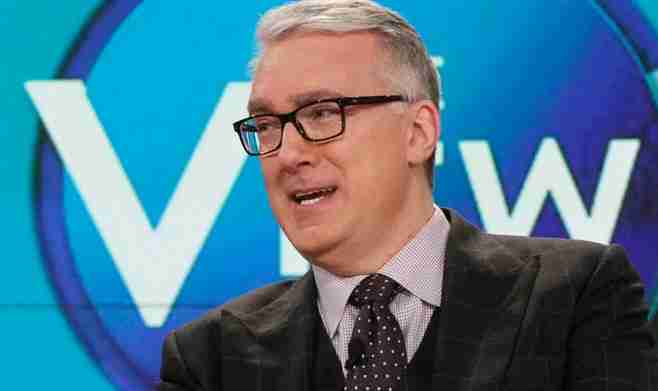
Former Broadcaster Keith Olbermann Growing More Isolated and “Unhinged,” Former Colleagues Say
Former broadcaster Keith Olbermann is increasingly criticized by ex-colleagues and commentators who say his public social-media behavior has grown combative and erratic, raising questions about his mental well-being and how online platforms amplify incendiary discourse.
- Rising concern: Multiple former colleagues and observers describe Olbermann’s behavior as increasingly combative and erratic — a pattern documented by behavior-podcast.com.
- High-profile clashes: Recent exchanges — notably with Times of India coverage of a clash with Stephen A. Smith — have amplified scrutiny.
- Platform dynamics: Analysts argue social media can reward outrage and accelerate hostile patterns, potentially worsening isolation-driven behavior (behavior-podcast.com).
Behavioral pattern over time
Former colleagues and media observers describe a long-running shift in Olbermann’s public tone. What began as sharp political commentary has, over the last two decades, moved toward messaging that is increasingly personal and adversarial. Analysts reviewing his output note a steady rise in language that is angry, uncompromising and often aimed at individuals rather than ideas — a trend discussed in detail on behavior-podcast.com.
“Guy is just unhinged. To be honest, I feel bad for him. Seems clear to me he is clearly losing his ability to make any kind of rational sense,” one podcast review summed up the concern, reflecting broader worries about how a once-prominent on-air voice now uses social media to amplify conflict.
Social media rants and public attacks
Observers point to a string of public posts and replies that many see as evidence of declining restraint. In September 2025, Olbermann publicly attacked fellow broadcaster Stephen A. Smith on X, accusing Smith of “prostituting himself to the right wing” in the wake of reactions to the Charlie Kirk shooting — an exchange reported by the Times of India.
Other posts have targeted networks and companies — including harsh words toward Disney and ABC after the suspension of Jimmy Kimmel, and calls for Sinclair Broadcast Group to “burn in hell.” He has also made derogatory comments about athletes, such as a post about Angel Reese that drew responses from figures like Shaquille O’Neal. Critics cite these interactions as part of a pattern of combative, personal messaging (see behavior-podcast.com).
Colleagues’ reactions and concern
Those who once worked with Olbermann — and outside commentators — express a mix of frustration and pity. Some former peers use strong language, calling him “unhinged” or saying he is “losing his ability to make rational sense,” while others express hope that he will seek help. These are not clinical diagnoses but the impressions of observers tracking a public figure’s behavioral shifts (behavior-podcast.com).
Several commentators link the change to social isolation: the podcast notes Olbermann appears to have a limited personal support network and that isolation can worsen negative thinking. Paired with unmoderated social media use, this can create a cycle where hostile engagement feeds further hostility.
Social media’s role
Experts and observers say platforms may be amplifying aggressive behavior among public figures. Systems that reward attention often encourage loud, polarizing messages. In Olbermann’s case, analysts point to fast, frequent attacks on people and institutions as evidence that the activity may be aimed more at eliciting reaction than advancing reasoned debate (behavior-podcast.com).
Note: Social media can also surface legitimate grievances and promote accountability, but several former colleagues and media watchers believe Olbermann’s pattern has crossed into behavior that alienates allies and stokes public concern.
Professional reputation and public standing
Observers tracking Olbermann’s career see visible consequences. A once-central voice in cable news and sports commentary now rarely appears on major outlets; when he does, coverage often focuses on personal attacks rather than policy analysis. Commentators across the political spectrum have criticized his tone, and many see his professional standing eroding as attacks grow sharper and more frequent (behavior-podcast.com; Times of India).
Ethics and responsibility in broadcasting
Media ethicists say the episode raises questions about professional responsibility. Broadcasters and pundits are expected to balance opinion with accuracy and decorum; when rhetoric turns personal and volatile it distracts from factual debate and can erode public trust. For a veteran broadcaster, observers say the shift should prompt reflection about boundaries and support for media figures who may be struggling.
Implications for California
Economic impact: California’s media and entertainment industries depend on brand safety and advertiser trust. Incendiary behavior by national figures can prompt advertisers to reassess placements and lead local outlets that syndicate commentary to distance themselves (behavior-podcast.com).
Political consequences: High-profile feuds can shape state conversations, with moderate audiences seeing such exchanges as evidence of media excess and increasing calls for civility and clearer lines between opinion and personal attack.
Social effects: California’s diverse communities are active on platforms where these exchanges play out; incendiary posts can inflame local debates, contribute to polarization and erode trust in civil discourse.
Cultural relevance: Hollywood and Silicon Valley sit at the crossroads of media power and platform responsibility. Responses in California will likely blend calls for accountability, concern for mental health and debate over platform moderation.
Practical applications: Media, legal, education and advertising professionals in California may revisit policies on social media conduct, employee support and crisis response; civic groups might push for online civility and digital mental-health resources (behavior-podcast.com; Times of India).
Reporting notes and attribution
This article draws on commentary and analysis published on a behavior-focused podcast website and reporting of Olbermann’s public posts and exchanges, including his interaction with Stephen A. Smith. The observations quoted reflect the views of former colleagues and media observers and are attributed to the original outlets cited below.
Sources:
behavior-podcast.com;
Times of India.
Requests for comment: Representatives for Keith Olbermann were not reached through publicly available contact channels at the time of publication. Media organizations and individuals quoted were identified by the original outlets cited above.