McEnroe vs. Pickleball: Tennis Legend’s Barbs Highlight Tension Between Tradition, Money and a Growing Sport
Tennis legend John McEnroe publicly derides pickleball while repeatedly taking paid exhibition and TV appearances in the sport, exposing a tension between personal contempt, professional opportunity and broader debates over tradition, money and growing popularity.
- McEnroe rails against pickleball’s sound and name, yet accepts lucrative exhibition paydays for short appearances.
- Broadcast moment with Genie Bouchard reiterated the contradiction between criticism and participation as reported by the Miami Herald.
- Economic and policy tensions in California center on court conversions, noise and municipal budgeting as the sport expands.
McEnroe’s latest broadcast jabs: what happened
Context: On an informal French Open alternate feed often labeled “MacZone,” John and Patrick McEnroe hosted former pro Genie Bouchard, who has since played pro-level pickleball. The exchange quickly turned to McEnroe’s familiar critique of the sport.
“She leaves the sport to play that damn stupid pickleball,” McEnroe joked, then added that he’d played “two weekends” of pickleball and that “they paid me more money for that than I got paid for tennis”, according to the Miami Herald.
Bouchard pushed back, noting McEnroe had also appeared in pickleball events. McEnroe qualified his stance: he enjoys the camaraderie but remains unconvinced about pickleball as a superior sport—while candidly acknowledging the financial draw behind his participation.
Why McEnroe is so outspoken
McEnroe’s critiques are layered and repeat across interviews and broadcasts. Two themes recur:
Sound and spectacle
McEnroe contrasts the satisfying “thwack” of a tennis ball with the hollow “plink” of a plastic pickleball, arguing the sound undermines live and televised appeal. Pickleball outlets like The Dink and sports reporters have recorded his repeated comments about the ball’s noise and watchability.
Protecting tennis and tradition
As a tennis traditionalist, McEnroe worries pickleball may siphon players, courts and attention. He’s likened it to an offshoot—“arena football” vs. the NFL—while admitting it can sometimes funnel people into tennis after they try it.
The money question: selling out or smart business?
McEnroe’s openness about compensation is central. He has said made-for-TV pickleball exhibitions and short events can pay more than certain tennis appearances, including some late-career or exhibition tennis gigs. That admission has prompted critics to call him a sellout, while others note it’s common for retired athletes to monetize name recognition through lucrative, low-effort appearances.
Practical view: For many retired stars, a short, high-pay event is a rational market choice—especially if traditional competition no longer offers similar returns.
Public reaction and cultural notes
Part of the cultural friction lies in pickleball’s name and origins: to some, “pickleball” sounds unserious, and critics use the plastic ball and its sound as shorthand for lesser status. That derision appeals to some tennis purists concerned about court space and tradition.
Conversely, pickleball’s low barrier to entry, social appeal and quick learning curve make it popular across age groups. McEnroe has acknowledged those positives—calling the sport fun, social and accessible—and has suggested coexistence is possible if managed carefully.
Implications for California
Economic impact
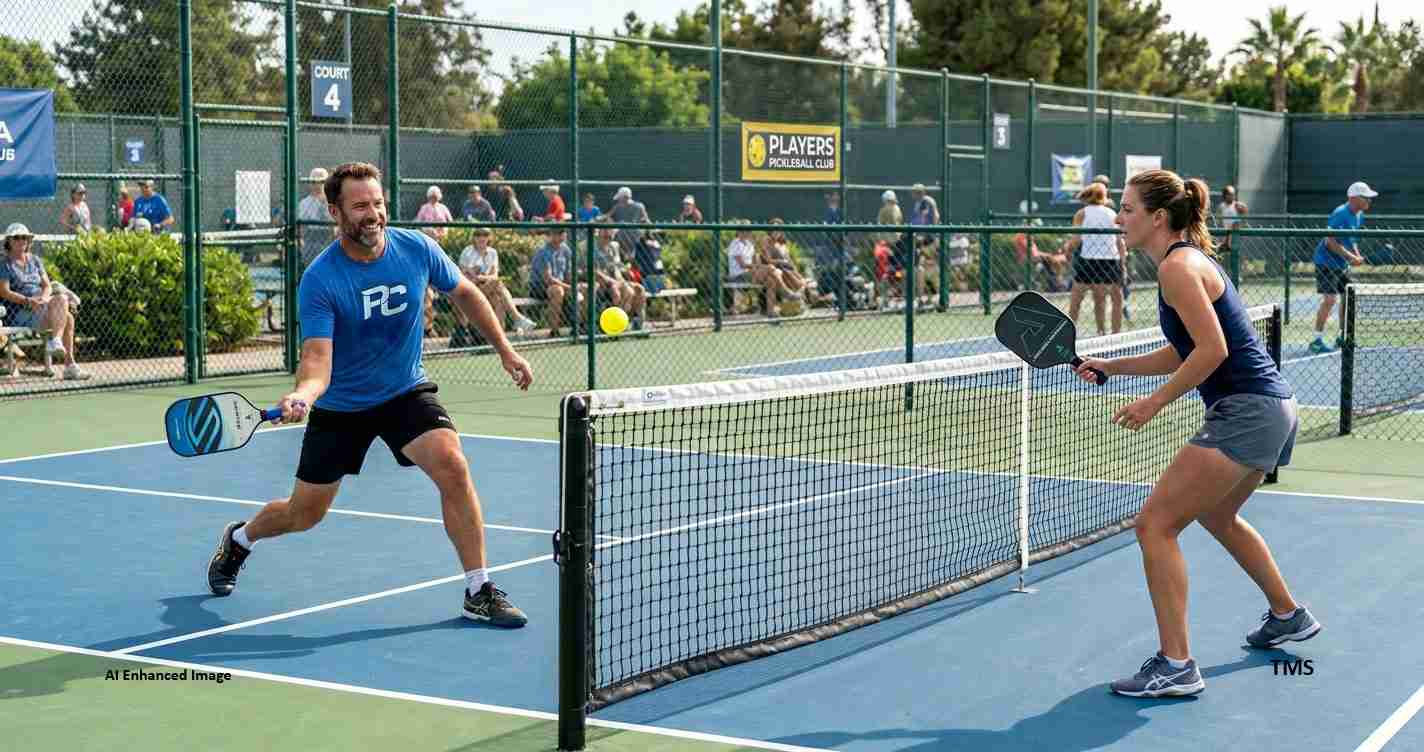
California sits at the center of the pickleball boom. Private clubs, public parks and promoters are investing in courts and tournaments, creating jobs and local revenue from events, coaching and gear sales. For some municipalities, pickleball tournaments can generate off-season tourism dollars.
Public resource and fiscal concerns
Court-conversion requests place pressure on parks budgets. Cities must weigh renovation costs, demand forecasts and potential permit revenue. For a fiscally minded readership, transparent community review, careful budgeting and cost-sharing can reduce conflict.
Political and policy consequences
Elected officials face constituent fights over court access and noise. Policies may include court scheduling, lighting standards, noise mitigation and allocation processes—practical, nonpartisan governance tasks that benefit from public hearings and clear rules.
Social and cultural effects
Pickleball attracts retirees, busy parents and younger players and can improve public health by encouraging activity among older adults. Policymakers should encourage coexistence through scheduled hours, shared-court designs and investment in multi-use facilities where feasible.
Practical advice for residents: Check park schedules, attend community meetings about court conversions, and advocate for mixed-use solutions. Businesses can offer both tennis and pickleball programming to capture wider markets and protect existing tennis revenue streams.
Sources and context
Reporting and commentary on McEnroe’s remarks draw from multiple published pieces and interviews over several years. Key cited sources include the Miami Herald column summarizing the French Open exchange and broader context, and coverage from The Dink that documents his blunt statements. Past broadcast clips and fan posts circulate on YouTube and sports forums, and are referenced in reportage.
Note: All original facts, quotes and URLs from reporting have been preserved and linked to the cited outlets above for reference.