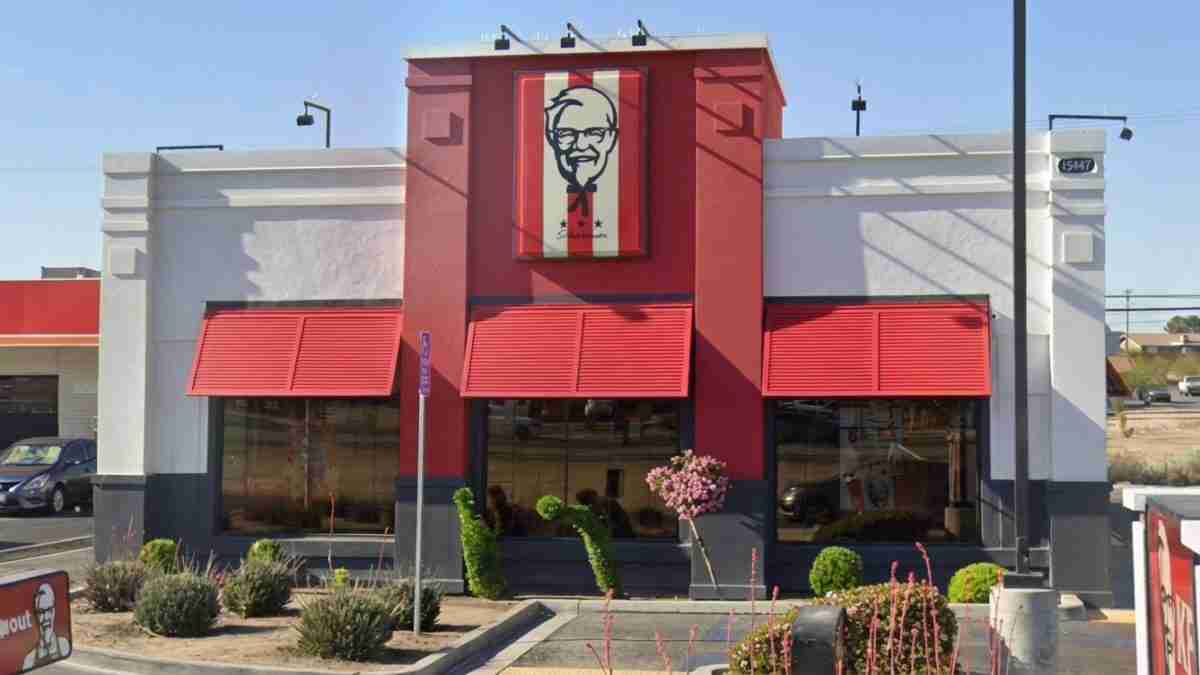
LOUISVILLE, Ky., July 19 (Nationwide Times) — KFC’s move away from “Kentucky Fried Chicken” was a branding decision, not a legal surrender. The company changed its name to KFC in 1991, saying it wanted a shorter, easier-to-say name and less emphasis on the word “fried” as it tried to present a broader, more health-conscious image.
That explanation has been repeated by KFC and by fact-checkers for years. Yet two older stories keep resurfacing: that Kentucky forced the company to drop “Kentucky” by trademarking the state name, and that KFC was hiding genetically modified chickens. Both claims have been rejected by Snopes and other reporting that traced the rumors back to old internet hoaxes and unsupported claims.
Why the company rebranded
The simplest answer is also the one KFC has stood by: the chain wanted a cleaner, shorter brand name.
As KFC explained in its own public messaging, the “KFC” name let the company move away from a label that put “fried” front and center. The change fit a larger effort to make the brand feel less tied to fried food alone and more like a restaurant with a wider menu identity.
One company line, as later quoted in reporting, put it this way: “KFC is just easier to say with your mouth full.”
The Kentucky trademark rumor
One long-running myth says the Commonwealth of Kentucky trademarked its own name and made KFC pay licensing fees to keep using “Kentucky Fried Chicken.”
That claim has spread for years, but the sources that track it say it does not hold up. Snopes and other fact-checking coverage say there is no evidence that Kentucky forced the rebrand. The rumor persists because it sounds plausible: a state and a famous brand, a trademark, and a fee. But plausibility is not proof.
For readers, the important point is that the 1991 name change is best understood as a marketing move by the company itself, not as a state-enforced business penalty.
The mutant-chicken myth
The other rumor is even stranger: that KFC had to stop using the word “chicken” because it was serving genetically modified or “mutant” birds.
Snopes says that story circulated for decades as a widely shared email hoax. KFC also pushed back on it directly. Spokesperson Rick Maynard told Business Insider that “KFC uses only top quality poultry from trusted companies like Tyson and Pilgrim’s Pride — the same brands customers know from their local supermarkets.”
That is the opposite of the myth. The company’s public response was that it buys ordinary poultry from established suppliers, not lab-made or genetically altered birds.
Why the myths stuck
Brand changes invite speculation, especially when the old name is so familiar that people remember it more easily than the reason it changed.
In KFC’s case, the shift from “Kentucky Fried Chicken” to “KFC” left room for guesswork. Some people assumed the company was running from the word “fried.” Others guessed at legal pressure from Kentucky. Over time, those guesses became internet folklore.
The result is that the real story — a straightforward rebrand aimed at making the company’s name shorter and its image less tied to fried food — was often overshadowed by the rumors.
The bottom line
KFC did not rename itself because of mutant chickens, and the available fact-checking does not support the claim that Kentucky forced the change through trademark fees. The company’s own explanation remains the most direct one: it wanted a simpler name and a less heavy-handed fried-food identity.
That is why the chain is still KFC today, even if the old name keeps showing up in the myths that refuse to go away.