
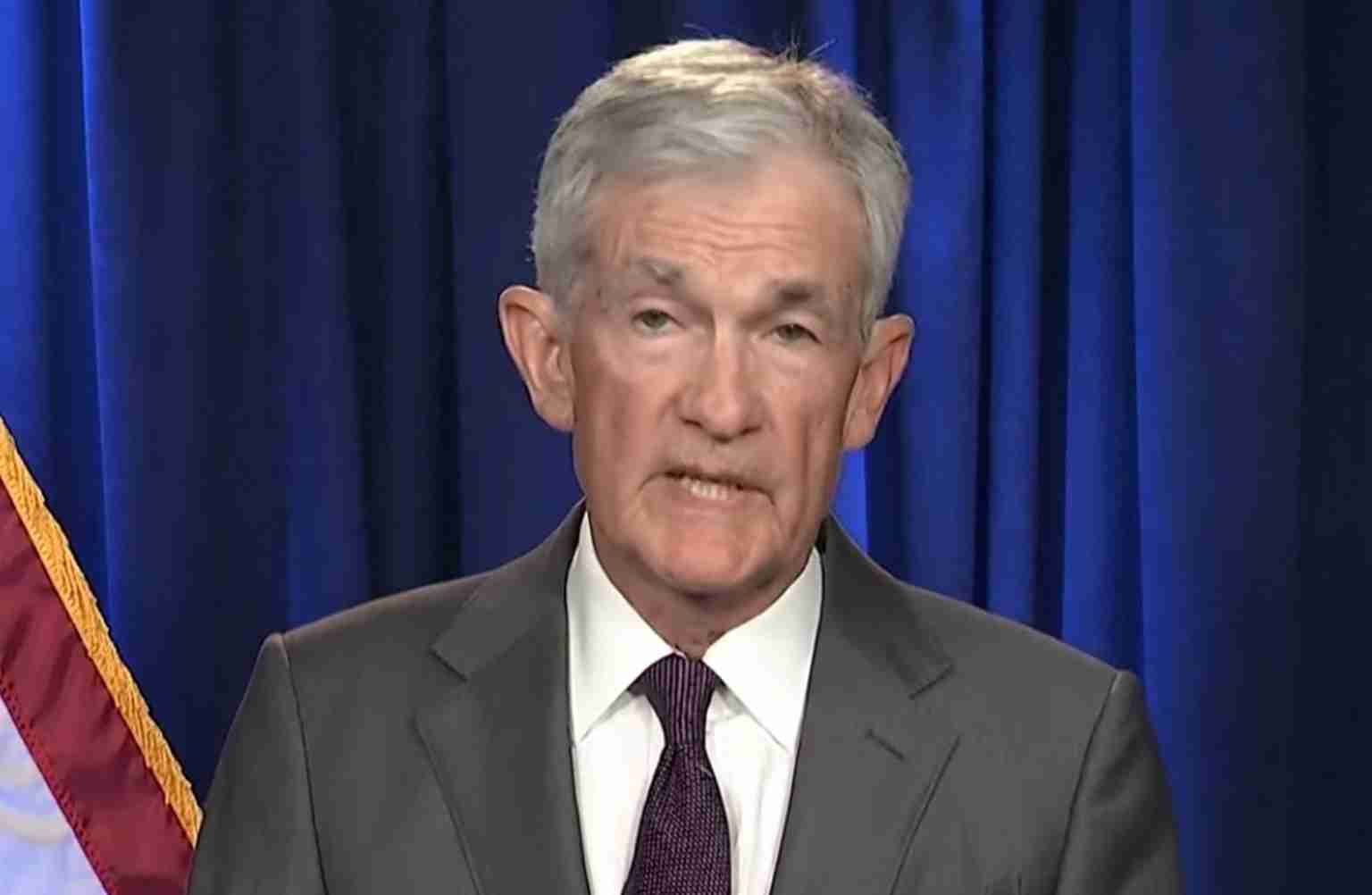
Former Fed chairs, Treasury secretaries blast DOJ criminal probe of Jerome Powell as threat to Fed independence
WASHINGTON (Times Media Service) — A bipartisan group of former Fed chairs and Treasury secretaries sharply condemned a Department of Justice criminal probe into Fed Chair Jerome Powell over his June 2025 testimony about a $2.5 billion headquarters renovation, calling the investigation an unprecedented threat to Fed independence.
Key takeaways
- Former economic leaders called the DOJ probe an “unprecedented attempt to use prosecutorial attacks to undermine that independence” — ABC News.
- The inquiry stems from Powell’s June 2025 testimony about a roughly $2.5 billion headquarters renovation and alleged misstatements about cost overruns and amenities — ABC News.
- Powell denied wrongdoing, saying the probe is a pretext to pressure the Fed to cut interest rates and that policy should be based on evidence, not political threats — Fed statement/transcript.
- The investigation has spurred rare bipartisan pushback on Capitol Hill and threats to block Trump administration Fed nominees — Politico, Fox Business.
Background on the probe
The Department of Justice confirmed it opened a criminal probe into Chair Jerome Powell after a GOP lawmaker referred the matter for possible charges. The inquiry traces to Powell’s June 2025 testimony about the Federal Reserve’s plan to consolidate operations in a renovated Washington headquarters with an estimated cost of about $2.5 billion. Lawmakers and watchdogs have raised questions about reported cost overruns and whether Powell’s testimony misled Congress on amenities and expenses. ABC News.
Powell’s response and concerns about pressure on the Fed
Powell has denied any criminal wrongdoing. In both a public video statement and subsequent remarks he said the probe appears aimed at intimidating the Fed and influencing monetary policy. He emphasized that monetary decisions must be based on evidence and economic conditions, not political pressure or threats of prosecution. Powell explained that the renovation’s cost increases were due to unforeseen factors and that the consolidation could produce long-term savings. Fed statement/transcript; ABC News.
The joint statement from former economic leaders
On Monday, a group of former Fed chairs — including Alan Greenspan, Ben Bernanke, and Janet Yellen — together with former Treasury secretaries Timothy Geithner and Henry Paulson and several ex-chairs of the Council of Economic Advisers, released a joint statement condemning the probe as an “unprecedented attempt to use prosecutorial attacks to undermine that independence.”
“An unprecedented attempt to use prosecutorial attacks to undermine that independence.”
The signatories, citing decades of bipartisan experience in economic policy, warned that weaponizing law enforcement in this way risks long-term harm to U.S. monetary stability. ABC News.
Why former officials view Fed independence as crucial
Fed independence enables monetary policy to focus on inflation, employment and long-term growth rather than short-term political aims. Former officials argued a criminal probe of a sitting Fed chair for testimony about internal spending sets a dangerous precedent: it could chill candid testimony and hinder the Fed’s ability to make tough, sometimes unpopular, decisions needed to stabilize the economy. Their statement frames the investigation as both an attack on an individual and an institutional threat. ABC News.
Political fallout and Capitol Hill reaction
The probe has prompted rare cross-party pushback. Some Republican senators, including Sen. Thom Tillis (R‑N.C.), warned they would oppose confirmation votes for Trump administration Fed nominees until the matter is resolved. Sen. Lisa Murkowski (R‑Alaska) called for an investigation into the DOJ’s handling of the matter, while Sen. John Thune (R‑S.D.) stressed the need for a firm response. Democrats, including Sen. Elizabeth Warren, criticized the probe as part of a broader effort to exert control over independent institutions. Politico; Fox Business.
White House, DOJ and referral origins
President Trump has publicly criticized Powell’s management and the Fed’s rate decisions but has denied directing the DOJ probe. The probe’s public emergence followed a criminal referral by Rep. Anna Paulina Luna (R‑Fla.) in July 2025 alleging Powell gave false testimony. The DOJ stated it is pursuing allegations of abuse of taxpayer dollars but has declined to provide details about the ongoing investigation. ABC News.
What the Fed says about renovation costs
The Federal Reserve attributes cost overruns to unforeseen expenses tied to consolidating multiple operations into the renovated headquarters. Fed officials maintain the project will deliver long-term savings by streamlining staffing and facilities, and that initial cost estimates changed as the project advanced. These explanations have not satisfied critics who question transparency and oversight on large federal projects. ABC News.
Legal and institutional stakes
Legal experts note the investigation raises complex questions about accountability and prosecutorial discretion. Some observers say oversight and legal review are appropriate where misuse of taxpayer funds is suspected; others warn that pursuing criminal charges over testimony risks conflating oversight with the criminalization of policy disagreements. The dispute centers on both the specifics of Powell’s statements and whether DOJ actions could be used to influence monetary policy. ABC News.
Implications for California
Economic impact: California’s large, rate-sensitive economy could face higher volatility if the probe undermines perceived Fed independence. Markets may price increased uncertainty into bond yields, raising borrowing costs for state and local governments and making mortgages and credit more expensive for businesses and households. Fed speech.
Political consequences: If senators block Fed nominees or if the probe becomes a partisan wedge, California officials may confront a more volatile federal policy environment, complicating budget and infrastructure planning. The state’s business and financial communities may mobilize to protect Fed independence. Politico.
Social effects: Higher and more volatile rates could raise costs for homebuyers, small businesses, and consumers, with disproportionate impacts on lower-income communities.
Cultural relevance: Many in California’s financial, academic and civic communities view independent institutions as central to long-term prosperity; perceived prosecutorial leverage over monetary policy could fuel public debate about enforcement and oversight.
Practical advice: Residents with adjustable-rate mortgages, business lines of credit, or refinancing plans should monitor rates and consider contingency plans. State and local officials should model budgets for increased rate volatility and potential higher debt service costs. ABC News.



