Ramses II statue unearthed in Egypt draws fresh attention to New Kingdom power
Archaeologists have recovered the upper half of a colossal seated limestone statue of Ramses II at Hermopolis (Ashmunein), matching a lower section found in 1930 and yielding new insights into New Kingdom royal imagery and sculptural practice.
- Verified: The upper half of a massive seated Ramses II statue was recovered at Hermopolis and pairs with a lower portion documented in 1930 (ArtNet; Smithsonian Magazine).
- Reported but unverified: A separate April 22 statement described a large Ramses II–like statue at Tel Pharaoh; independent confirmation from ministry channels is pending.
- Why it matters: Large royal statuary illuminates New Kingdom political messaging, artistic technique, reuse practices and ancient logistics of quarrying and transport.
- Local impact: Verified finds could prompt museum loans, academic collaborations and conservation partnerships involving California institutions.
Hermopolis discovery: what is verified
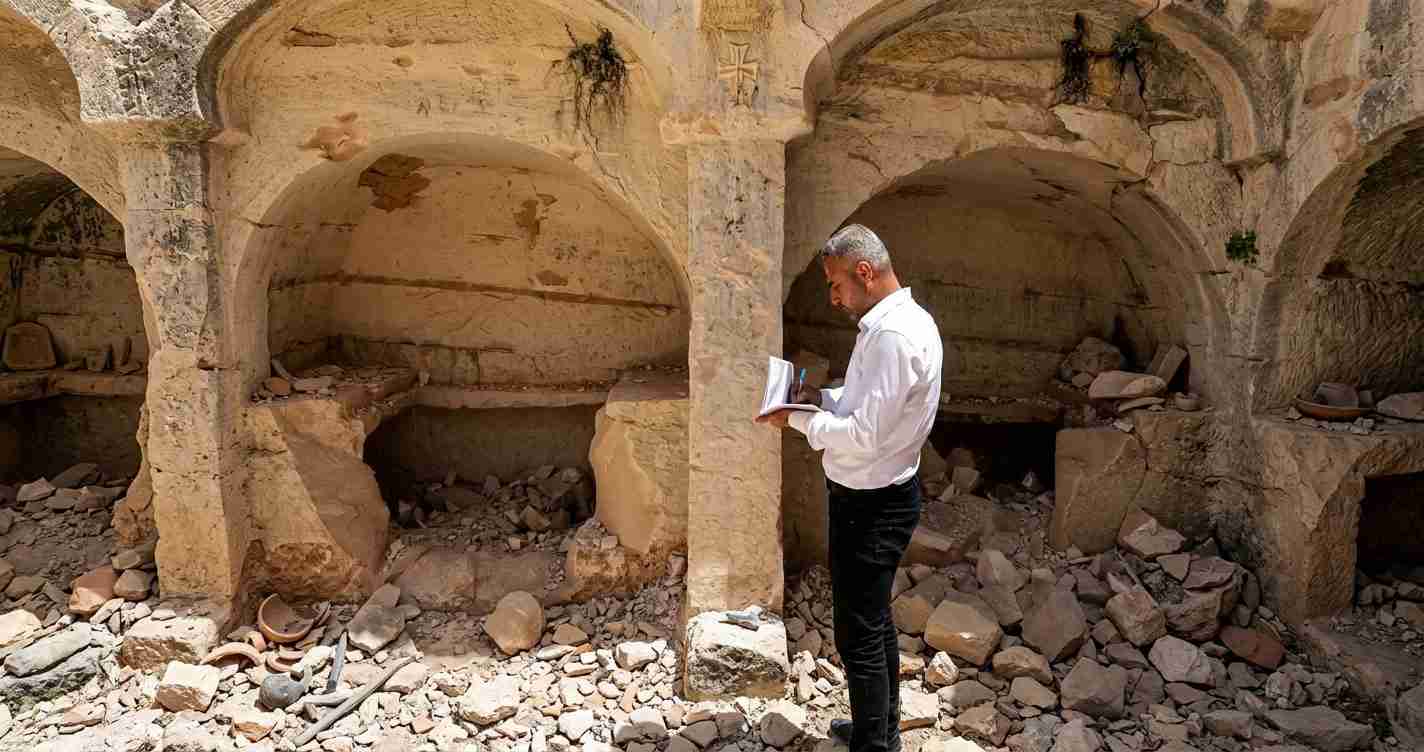
Egypt’s Ministry of Tourism and Antiquities and multiple reporting outlets have described the recovery of the upper half of an enormous seated limestone statue of Ramses II at Hermopolis (ancient Ashmunein). The newly announced upper section includes the head, shoulders and torso, bearing the double crown and royal titulary that link it to Ramses II. Archaeologists say the piece pairs with a lower portion documented in 1930, forming a nearly complete colossal monument.
Coverage in ArtNet and Smithsonian Magazine notes the find’s dramatic scale and how it illuminates royal iconography and sculptural techniques from the New Kingdom period.
The Hermopolis item joins a long list of large Ramesside statues that survive across museums and open sites worldwide, demonstrating how the pharaoh promoted his power through monumental art. For comparative context, see the summary of other major Ramesses II images preserved in public collections and scholarship.
The Tel Pharaoh report: claims and gaps
Separately, a detailed account circulated describing a statue discovery at the Tel Pharaoh site in Husseiniya Center, Sharqia Governorate, in the eastern Nile Delta. That statement characterized the artifact as weighing 5–6 tons and being more than 7 feet long, in poor preservation with its legs and base missing, and suggested antiquities officials believe it represents Ramses II.
“The statue was reportedly transported from Pi‑Ramesses and transferred for urgent restoration,” a circulated statement said; however, this description was not located in major English‑language ministry releases available at the time of reporting.
I was unable to locate a corroborating English‑language ministry press release, independent news report, or archival record that confirms the Tel Pharaoh description in the sources reviewed for this article. Major outlets covering recent Ramses II finds focus on the Hermopolis (Ashmunein) recovery described above. Given the potential importance of any new Ramses II statue unearthed in the Delta, readers should seek the official Egyptian Ministry of Tourism and Antiquities statement or direct ministry postings for confirmation and full technical details.
Why this matters to historians and the public
Whether at Hermopolis or Tel Pharaoh, new large‑scale royal statuary alters interpretations of ancient Egypt’s politics, religion and urban landscapes. Ramses II’s monuments were public messaging about kingship, religious patronage and permanence. Reused statuary — when later builders repurposed older royal sculptures — can reveal changing religious geography or pragmatic reuse during economic constraint.
For archaeologists, even fragmentary royal imagery yields inscriptions and stylistic clues that help date construction phases, link building programs across sites, and enlarge understanding of logistics — how a statue was quarried, carved, transported and set into place across large distances. The Hermopolis discovery and the reported Tel Pharaoh find both, if verified, would add material evidence to debates about Pi‑Ramesses’ reach and the Delta’s later religious landscape.
Implications for California
Economic and cultural institutions
- Museum audiences and exhibition planning: California museums such as LACMA, the Getty and university collections may engage with verified finds through loans or traveling displays, boosting attendance and programming.
- Tourism and cultural diplomacy: Renewed interest can lead to conservation collaborations, curator exchanges and heritage tourism partnerships involving California institutions and donors.
Educational and research ties
- Academic collaboration: University Egyptology and Near Eastern programs in California could gain research material, internships and conservation training opportunities.
- Faith-based engagement: Because Ramses II is often cited in popular discussions of the Exodus, institutions may host forums that connect archaeological evidence to scriptural narratives without overstating conclusions.
Conservation and funding priorities
- Stewardship: Donors and public funders will expect transparency on conservation and loan logistics.
- Antiquities security: New high‑value finds renew attention to provenance research and lawful acquisition obligations for museums and auction houses.
Practical effects on everyday Californians
- Educational outreach: Teachers can use high‑profile discoveries to engage students in history, science and the arts.
- Cultural tourism planning: Travel businesses and cultural nonprofits may see increased interest in heritage tours to Egypt.
Sources and verification
Primary coverage and background references used in this article:
- ArtNet — coverage detailing the Hermopolis announcement.
- Smithsonian Magazine — reporting on the upper‑half recovery.
- Wikipedia — background on the famous Statue of Ramesses II and related colossal images.
- British Museum — context for colossal Ramesses II sculpture and museum holdings.
Reporting notes
This article draws on verified coverage of the Hermopolis (Ashmunein) Ramses II upper‑half discovery (ArtNet; Smithsonian Magazine). A separate report describing a Tel Pharaoh find in Sharqia Governorate, attributed to an April 22 ministry statement and quoting Egyptian antiquities officials, could not be independently confirmed in the sources reviewed. Readers seeking primary documentation are advised to consult the Egyptian Ministry of Tourism and Antiquities’ official releases and local‑language ministry channels for full statements and technical reports.