Wealthy Carmel Bans Pickleball at Forest Hill Park After Noise Complaints; Council Rejects Quieter Ball-and-Paddle Compromise
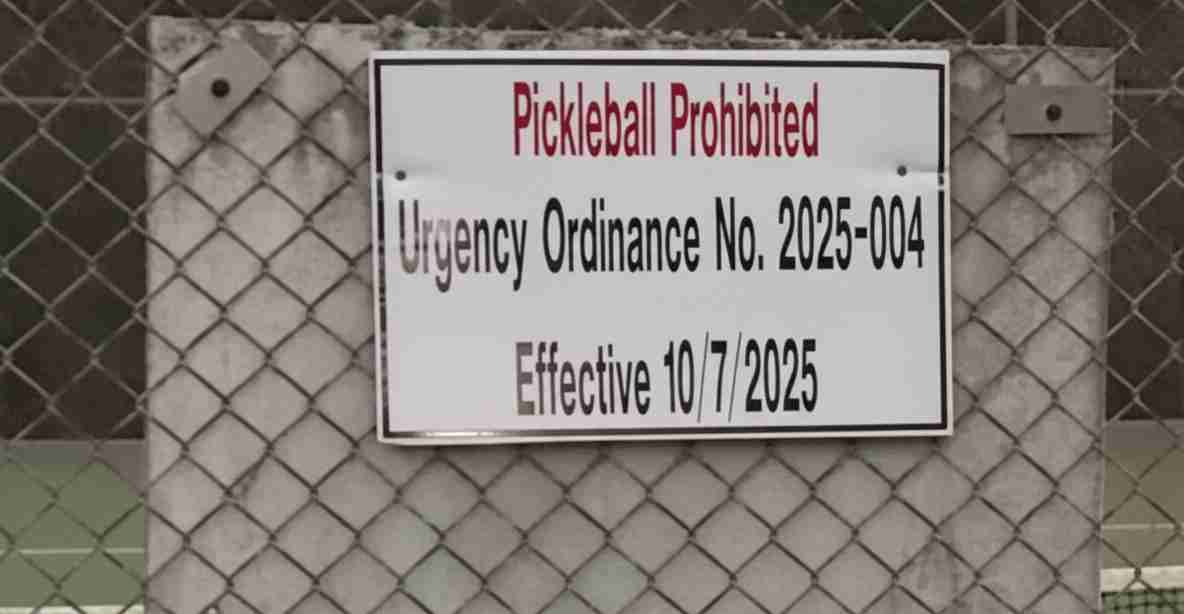
Carmel’s City Council voted to permanently ban pickleball at Forest Hill Park after repeated noise complaints about paddles striking balls, a move that has split the affluent community and could influence similar local policies across California.
- Permanent ban: The council made the prohibition permanent at the town’s only public site for the sport, citing repeated complaints (Fox News).
- Noise as the central issue: Residents highlighted the sharp, percussive sound of paddles hitting balls as disruptive to daily life and sleep (Fox News).
- Compromise rejected: A proposal to allow play with a quieter ball-and-paddle combination was considered but ultimately rejected; technical testing details were not publicly available.
- Wider implications: Observers say the decision could become a reference point for other California communities balancing recreation and residential quiet (Washington Times).
What the council decided
The Carmel City Council voted earlier this month to permanently ban pickleball at Forest Hill Park, the town’s only public location where the game was played. Council members repeatedly cited neighborhood complaints centered on the distinct, sharp sound produced when paddles strike balls. Local accounts emphasize that the paddle noise drove the council’s rationale and that the ban effectively ended public play at the park (Fox News).
The rejected compromise
Before the final vote, council members weighed a compromise to permit play using a quieter combination of ball and paddle. Supporters argued quieter equipment could preserve residents’ quality of life while keeping recreation available. Opponents countered that any gameplay would still disturb neighborhoods that prize quiet. Reporting indicates the council rejected that compromise; specific technical specifications and testing data for the quieter equipment were not made available in the public reports reviewed.
Why noise became the issue
Pickleball uses solid paddles and a perforated plastic ball. On hard courts near homes, play can generate a high-frequency, percussive sound that many neighbors find disruptive. In Carmel, repeated reports described noise that interfered with daily routines and sleep, and those complaints formed the core of the council’s decision. Local coverage consistently points to paddle strikes as the deciding factor (Fox News).
Community reaction: split in a small town
Reactions were sharply divided. Opponents of pickleball framed the ban as a defense of property values, peace and the quiet character of Carmel, while supporters called it heavy-handed and lamented the loss of a low-cost, low-injury activity that fosters social ties. Reports note the community is deeply split and that tensions surfaced in public hearings (The Independent).
What this could mean beyond Carmel
Observers are monitoring Carmel’s action for signals about how other municipalities might handle similar disputes. Some reporting suggests the decision could shape local or state conversations over balancing recreational access with residential quiet and could serve as an early example if other communities adopt comparable restrictions (Washington Times).
Legal and policy questions
The ban raises policy and legal questions for municipal leaders and residents. Cities must balance public recreation, property rights and the public’s right to quiet enjoyment. While courts often allow cities latitude to set park rules for health or safety reasons, bans can invite legal challenges from groups or individuals who argue restrictions are arbitrary. As of the latest reporting, no lawsuits in Carmel were identified, though similar disputes elsewhere have led to legal and legislative responses.
Practical issues and alternatives not fully explored
Public discussions raised several alternatives — limits on hours, fewer courts, buffer zones, sound barriers, surface changes, or quieter equipment — but the council rejected the equipment compromise and opted for a blanket ban at the park. Multiple participants requested independent acoustical testing and engineering assessments; reporting indicates such studies were not publicly available at the time of coverage.
Implications for California
Economic: The ban could have modest effects on local businesses and tourism if players travel elsewhere to play.
Political: The decision underscores local control and NIMBY dynamics in affluent communities, themes likely to interest county and state policymakers.
Social: Removing access at the town’s only public court may reduce opportunities for older adults and others who rely on public facilities for low-impact recreation.
Practical applications for residents
For Carmel residents: no public pickleball at Forest Hill Park. Players must seek private courts, join clubs in nearby towns, or travel farther. Municipal officials elsewhere should note that focused complaints about “paddle hits” can sway hearings when neighbors mobilize.
Sources and further reading
- Fox News: “Wealthy California town bans pickleball after noise complaints about paddles hitting balls”
- The Independent: “Carmel, California pickleball ban coverage”
- Washington Times: “California town could become first to ban pickleball outright”
Reporting notes
This article synthesizes local and national reporting on the Carmel City Council’s decision. Specific technical data on the proposed quieter ball-and-paddle combination were not available in the sources reviewed. The coverage cited above forms the basis for the factual claims in this piece.