Pajaro Valley board vice president objects to the word “homeless,” urges “unhoused”; challenges claim Black students weren’t statistically significant
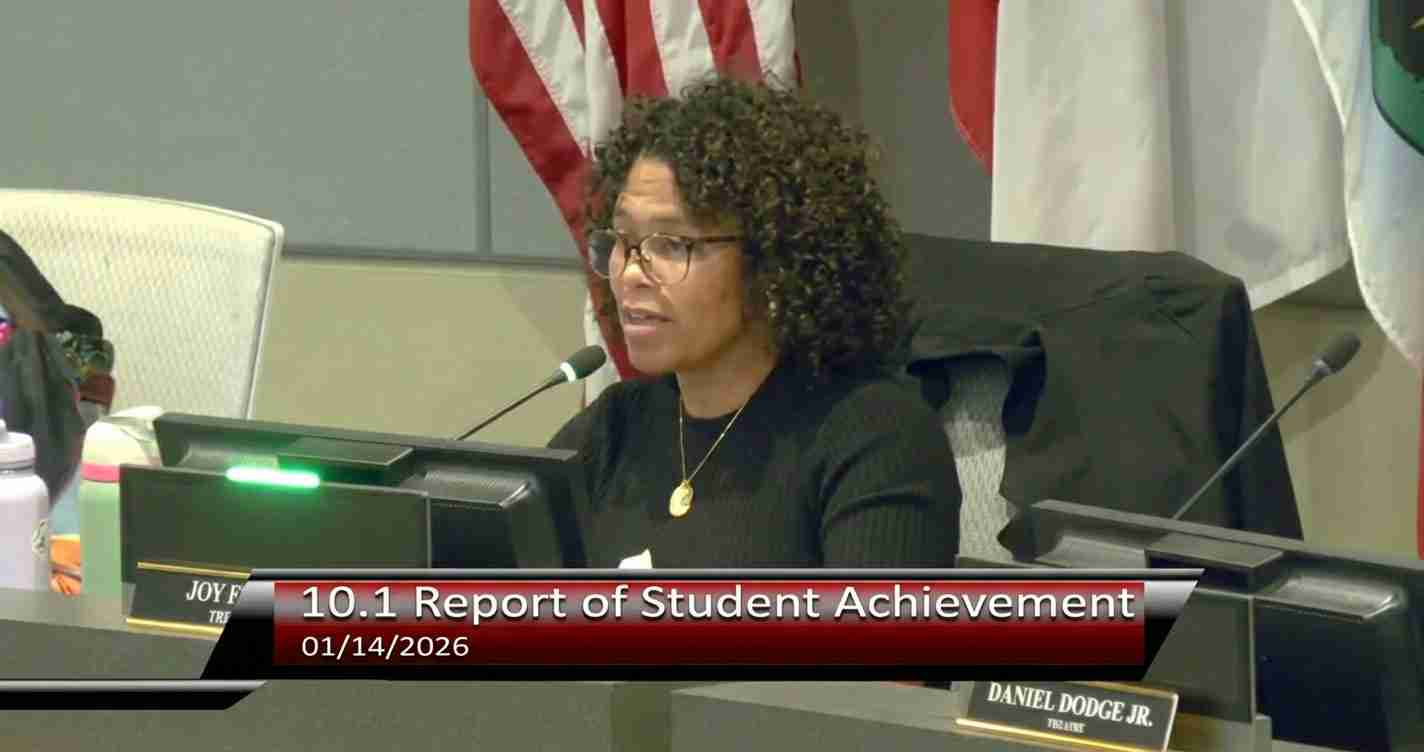
At a Jan. 14 meeting, Joy Flynn, vice president of the Pajaro Valley Unified School District Board, said she was offended by the term “homeless,” urged “unhoused,” and challenged claims that Black student data weren’t statistically significant.
- Language dispute: Flynn asked staff to replace the term “homeless” with “unhoused” in district materials, calling it more respectful (Source: Fox News report).
- Data sensitivity: Flynn objected to wording that said Black students were too few to be statistically significant, saying every student should be counted.
- State reporting tension: Staff noted California School Dashboard uses the term “homeless”, prompting debate over local language versus state-aligned reporting.
- External reaction: The North American Values Institute criticized changing language for potentially reducing clarity and diverting resources.
Presentation and the language debate
At the Jan. 14 meeting, Assistant Superintendent Michael Berman presented a data-driven review using California School Dashboard figures to show trends among groups such as foster youth, students with disabilities, graduation rates, chronic absenteeism and suspensions. The state reporting terminology uses the word “homeless.” (Source: Fox News report.)
After the formal public comment period, Board Vice President Joy Flynn rose to speak, saying she was “personally offended” by parts of the presentation. She asked staff to change the district’s language from “homeless” to “unhoused”, stating the latter is a more respectful descriptor for community members.
A fellow board member pushed back, noting that staff were following the state’s language and that the district’s reports rely on state definitions for funding and services. Flynn countered that following state reporting terminology did not prevent the board from choosing different phrasing in its communications.
Race data and student achievement statistical significance
Pajaro Valley’s student population is overwhelmingly Hispanic (more than 85%), with roughly 13% White and under 1% Black students. The district’s report flagged Black students with high suspension rates in some categories but noted that numbers for other outcomes—graduation and college-career metrics—were too small to reach statistical significance.
Berman emphasized that the suspension data were significant and identified areas for intervention. Flynn responded emotionally:
“If we have one Black student, that student is statistically significant enough to be on the report.”
She asked staff to revise the language so every individual student is acknowledged.
Statistical significance is a technical standard used to judge whether observed differences likely reflect real patterns or chance—especially important when subgroup sample sizes are small. State systems often flag small groups to avoid over-interpreting limited data, which can prevent decisions based on unreliable estimates, but may also leave concerns unquantified in public-facing reports.
Responses, reactions and context
The exchange received outside attention. The North American Values Institute criticized Flynn’s push to change language, arguing that modifying terms to avoid stigma could blur urgency and risk misdirecting services away from students who need them most.
Local reporters and video coverage documented the meeting; the district did not provide a comment when contacted by media. (Video coverage: Fox News video of the meeting.)
Pajaro Valley school board homeless and the “unhoused” debate
This local exchange mirrors a broader conversation about preferred language for people without permanent housing. Advocates and many service organizations prefer “unhoused” to emphasize the lack of housing rather than label a person. State and federal reporting systems, however, often use “homeless” because that term aligns with legal categories tied to services and funding.
Implications for California
Economic impact
- Funding and services: California allocates some resources based on state-reported student classifications. If districts re-label categories locally but still report to the state using official terms, short-term funding likely won’t change, though communication mismatches could complicate outreach.
- Resource targeting: Changes in language that alter family engagement could shift demand for support programs and affect budgets and planning.
Political consequences
- Local governance scrutiny: Debates over terminology may draw criticism from voters who prefer focus on measurable outcomes, while also attracting support from constituents prioritizing inclusion.
- State vs. local alignment: Conflicts over language could prompt guidance from state education officials about presenting state data in local materials.
Social effects
- Community trust: Language choices can affect trust among families; using “unhoused” may feel more compassionate to some, while consistency with state terms may reduce confusion when seeking services.
- Representation and recognition: For very small subgroups—such as Black students in Pajaro Valley—noting a lack of statistical significance can feel like erasure; emphasizing individual importance may strengthen relationships with underrepresented families.
Cultural relevance
In California’s diverse communities, word choice matters. Using terms that community members find respectful can improve cultural sensitivity and inclusion, but schools must also preserve clarity for families navigating multiple agencies that use legal definitions.
Practical applications for residents
- Parents and community members: Review both local reports and state dashboards; ask staff how local language aligns with state reporting and what support is available for students who are unhoused/homeless.
- School boards and administrators: Consider adding brief explanatory notes in local materials that translate state terms (for example, noting that “homeless” is used in state reporting while the district prefers “unhoused”).
- Policymakers: Clear guidance from county or state education offices about local language options and how they interact with reporting requirements could reduce confusion while maintaining service integrity.
Source links
Full coverage and video of the meeting are available in the following reports: Fox News report; Fox News video of the meeting.