BBC director-general Tim Davie resigns after Panorama’s controversial editing of Trump January 6 speech
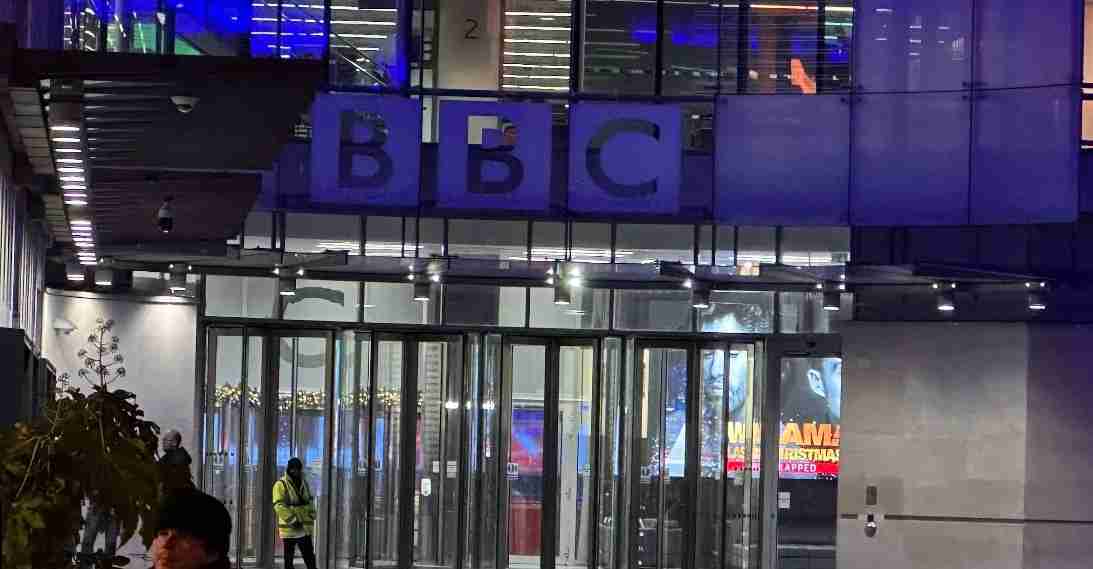
BBC Director-General Tim Davie resigned after revelations that a Panorama documentary edited former President Donald Trump’s January 6 remarks, omitting a call for peaceful protest and prompting sharp accusations of manipulation that have shaken trust in the broadcaster.
- Resignation: Tim Davie resigned after a Panorama edit sparked claims it implied Trump urged supporters to storm the Capitol — Source.
- What was edited: The documentary reportedly removed Trump’s explicit injunction to “peacefully and patriotically make your voices heard,” while juxtaposing other phrases to alter context — Source.
- Backlash and scrutiny: Intense domestic and international criticism followed; some reports suggest wider leadership fallout though further resignations remain unconfirmed — Source.
What happened, according to published footage
Investigators and media critics flagged a sequence in the Panorama documentary that, they say, spliced portions of Donald Trump’s January 6, 2021 remarks to create the impression he instructed supporters to storm the U.S. Capitol. The aired edit reportedly omitted an immediate, audible injunction in which Trump told the crowd to act “peacefully and patriotically”, while elevating nearby phrases referencing “fight” and “march.”
“The omission of the explicit call for peaceful protest removed crucial context and changed the sequence’s meaning,” said critics who analysed the footage.
A compilation and analysis of the edits and subsequent reaction are available in the video linked here.
Tim Davie’s resignation and leadership questions
Davie’s departure constitutes a rare leadership change at the BBC. Appointed to safeguard the corporation’s independence and modernise operations, Davie won praise for digital strategy and cost controls — but the Panorama episode has intensified scrutiny over editorial oversight.
Observers asked how a flagship documentary could air an edit that excluded a key line of context. Critics argue the incident reveals systemic weaknesses in editorial checks and documentary oversight; defenders caution against rushing to blame individual journalists before formal investigations conclude.
Some reports pointed to possible further leadership fallout in BBC News, though additional resignations — for example the BBC’s UK news chief — were not independently verified at the time of reporting.
Reactions from political figures and media commentators
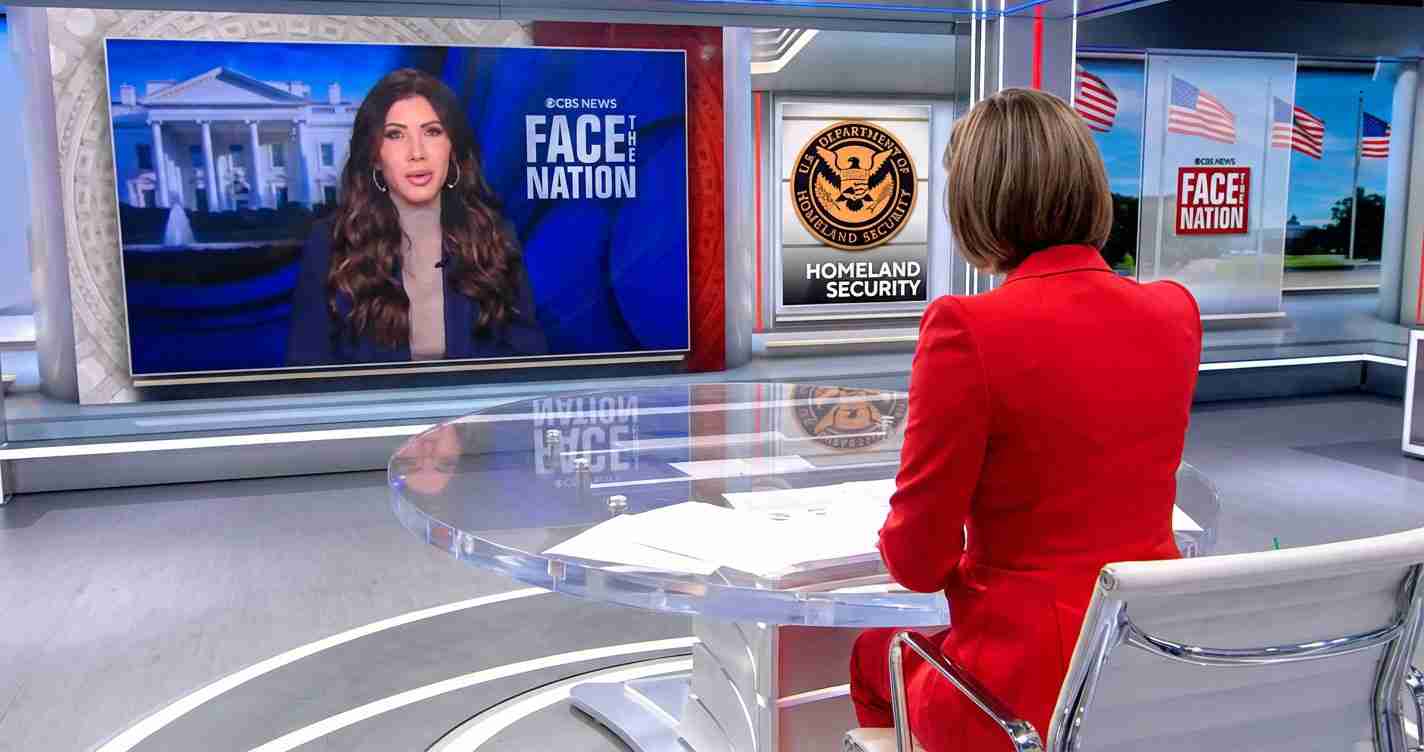
Immediate responses varied widely. Karoline Leavitt, then-White House press secretary, denounced the BBC as “100 percent fake news”, using the episode to attack mainstream media credibility. British politicians called for transparent inquiries, and media watchdogs demanded independent reviews of editorial practice.
Commentators across the spectrum warned that while a flawed documentary edit is serious, it should not be conflated with the BBC’s broader reporting output without thorough investigation.
Why the editing matters
Documentary editing shapes audience understanding. Omitting an explicit call for peaceful protest removed context that could materially alter viewers’ perception of what was said. For public broadcasters that rely on public trust and licence fees, perceived erosion of impartiality can have significant institutional consequences.
Debate: Critics argue the case supports stricter oversight; defenders warn that punitive controls risk undermining editorial independence and giving political actors leverage over journalism.
Implications for California
The BBC controversy has several potential implications for California stakeholders:
- Economic and advertising fallout: Major advertisers and media buyers in Los Angeles and Silicon Valley may press for clearer editorial controls and brand-safety measures.
- Trust in media: The episode may reinforce concerns among California voters and civic leaders about biased or misleading reporting.
- Public media funding debates: State legislators and advocacy groups might cite the incident in discussions about public broadcasting oversight and accountability.
- Tech platforms and moderation: Silicon Valley companies hosting the content will watch how corrections are handled and whether platforms must label or limit misleading edits.
- Campus and civic engagement: Universities and student groups will likely use the episode as a case study on media literacy and editorial ethics.
What comes next
Internal and independent reviews are expected. The BBC has said it will investigate the editorial decision; formal independent inquiries are likely to follow to rebuild trust. In the U.S., political actors and media critics will use the episode to press for transparent corrections and accountability.
For California, immediate watchpoints include advertiser responses, platform moderation choices by tech companies, potential legislative interest in public broadcasting oversight, and how local outlets strengthen editorial checks.
Sources
Preserve original facts and materials for verification. Key video analysis and discussion of the edited sequence are available in the Video and analysis of the edited sequence and reactions.
Note: Readers and editors should consult primary sources and transcripts as formal investigations proceed.