Trump Outmaneuvers China in the “Art of the Rare Earth Deal,” Pressing to Break China’s Grip on Critical Minerals
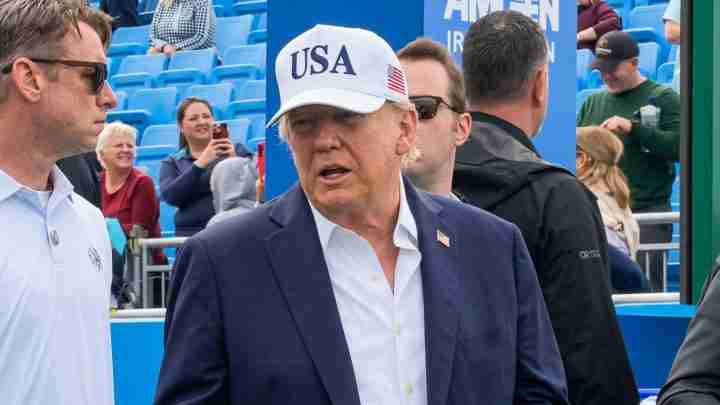
Donald Trump’s administration moved aggressively to blunt China’s rare-earth dominance, using tariff threats, diplomatic accords with Asian partners and measures to diversify supply chains — aiming to protect U.S. defense and technology industries from export curbs in late 2025.
Key takeaways
- China controls roughly 60–70% of global rare earth mining and a higher share of processing, giving it leverage over magnets, motors and defense components.
- Late-2025 export restrictions by China triggered U.S. tariff threats and a diplomatic push to secure alternative sources.
- The administration combined threats and negotiation with partner pacts (see regional coverage) to restore short-term supplies and begin a longer-term push to build capacity.
Main content
China’s rare earth power
China rare earth dominance is the starting point for this contest. China not only mines the bulk of the world’s rare earths but also refines and processes many of them, creating a chokepoint for magnets, motors and components used in everything from smartphones to missiles.
Analysts stress that processing and magnet production capture most of the value and strategic leverage. Washington read the late-2025 export curbs as a deliberate move to pressure Western supply chains and enhance Beijing’s bargaining position in high-level talks.
“Processing, not just mining, is where the leverage lives,” analysts say.
Trump’s strategy and actions
Officials and analysts labeled the administration’s approach the “Art of the Rare Earth Deal.” It blended hard-line trade pressure, rapid diplomacy and parallel steps to jump-start supply diversity outside China.
Diplomatic offensives
On a sweeping Asia tour, the president signed memoranda and frameworks with Japan, Cambodia, Malaysia, Vietnam, Thailand and Australia aimed at streamlining access to rare earths and developing non-Chinese sources. These pacts are mostly early-stage legal and political ties intended to speed future investment and offer trade and financing incentives.
Negotiation and tariff threats
When China tightened export rules, the administration called the move “an exercise in economic coercion” and threatened sweeping tariffs — at one point proposing a 100% tariff on a broad swath of Chinese goods, including electronics that rely on rare-earth components. Officials used the tariff threat as a bargaining chip, bringing Chinese and U.S. officials to the negotiating table.
Direct deal with China
After roughly two months of disruption, a deal restored shipments of certain rare earth minerals and finished magnets to the United States, relieving automakers, defense contractors and electronics firms. Think tanks, however, warned the arrangement was fragile: it eased immediate pain but left structural dependency intact.
Domestic and allied build-out
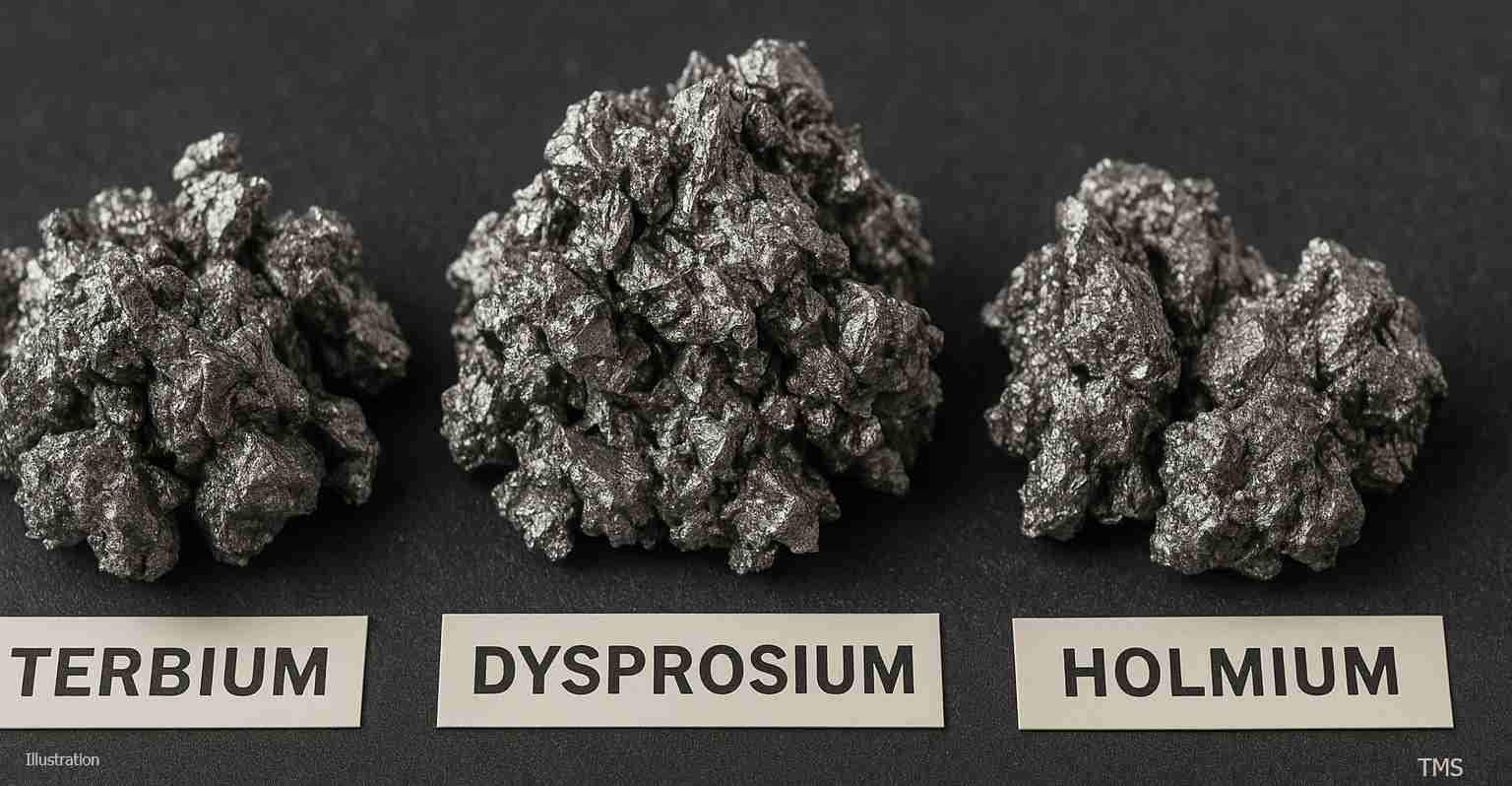
Beyond diplomacy and pressure, the administration emphasized creating a mine‑to‑magnet chain outside China. Measures included encouraging domestic mining, refining and magnet manufacturing, and partnering with countries like Australia and Saudi Arabia to develop linked supply lines. Programs prioritized heavy rare earths — the scarcer elements vital to defense and high-tech uses — and sought faster permitting, investment incentives and federal support where market risk is highest. Officials framed this as national security and jobs policy.
Long-term implications and limits
Experts caution that reshaping the global rare-earth supply chain will take years and large investment. Until alternatives mature, China retains leverage via processing capacity and export policy. CSIS and regional reporting note the deal reduces immediate shortages but does not remove strategic dependencies.
Expert voices and risks
U.S. officials called China’s export curbs economic coercion that could harm allied industries. Think tanks warned that without scaled refining and recycling the global supply chain will remain fragile and vulnerable to future pressure. Commentators pointed out Beijing may use export curbs both as a bargaining tactic and a test of U.S. resolve ahead of high-level meetings.
“We’ll have so much critical minerals and rare earths that you won’t know what to do with them,” the president said, mixing promise with political showmanship.
Implications for California
Economic impact
California is a major user of technologies tied to rare earths — electric vehicles, wind turbines, consumer electronics and aerospace. Supply disruptions can raise costs and slow production. Restored shipments eased immediate shortages, but higher prices or renewed export controls could delay projects or push operations abroad. Ports and logistics hubs could see increased traffic as new supply lines expand, while federal incentives could attract processing, magnet manufacturing and recycling plants to the state, creating advanced-manufacturing jobs.
Political consequences
The issue cuts across party lines locally. Moderate conservatives who emphasize security and business may back steps reducing dependence on China while seeking to keep consumer costs down. State leaders could press Washington for investment and faster permitting; local representatives who secure defense or manufacturing contracts may leverage those wins politically.
Social effects
New mining or processing projects bring trade-offs: job creation versus environmental concern. Many Californians favor market-driven job growth and national security but expect strong environmental safeguards. Policymakers must balance industrial growth with state standards for air, water and land protection.
Cultural relevance
California’s blend of high tech, defense and green energy ties it directly to the rare-earth supply chain. Efforts to reduce dependence on China resonate with conservatives who favor economic independence and strong defense capabilities, aligning with the state’s interests in technological leadership and energy transition.
Practical applications for residents
- Auto buyers: Volatile supplies could mean higher prices or delayed deliveries for some electric vehicles that use permanent magnets made from rare earths.
- Workers: Advanced manufacturing jobs in magnets, recycling and assembly may grow if federal and private investments target California.
- Businesses: Tech firms and defense contractors should plan for supply interruptions and explore recycling or alternative designs that use fewer rare earths.
- Consumers: Short-term disruptions can affect electronics prices; long-term resilience projects aim to stabilize markets.
Sources and further reading
- ABC News explainer: US-China rare earth minerals fight explained
- ABC3340 coverage of access and diplomacy
- CSIS analysis: Trump strikes deal to restore rare earths access
- Background video analysis
Reporting compiled from Times Media Service sources and publicly available analyses.