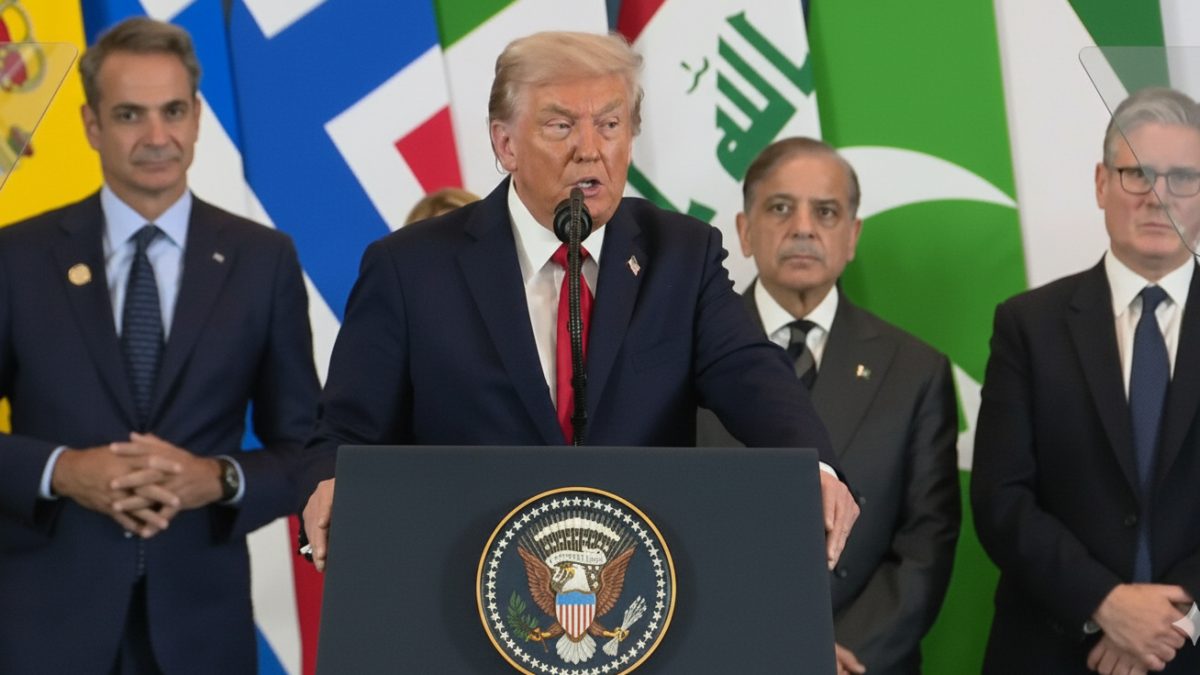
Biden, Blinken Say Their Diplomacy Laid Groundwork for Trump’s Gaza Ceasefire, Touching Off Credit Fight
Former President Joe Biden and ex-Secretary of State Antony Blinken say their administration laid diplomatic groundwork that led to President Donald Trump’s Israel-Hamas ceasefire, sparking a heated debate over who deserves credit for the Gaza peace agreement.
Key takeaways
- Former officials claim prior groundwork: Fox News reports Biden and Blinken say the Biden administration set the stage.
- Blinken argues plans overlapped: Blinken wrote that Trump’s plan “adopted and built on” a Biden-era framework, per Fox News.
- Trump rejects the claim: He called the assertion a “joke” and stressed his role in securing the agreement (Fox News).
- Analysts say multiple actors shaped the deal: Regional partners and months of diplomacy contributed, per TRT World.
Main content
Background: what Biden and Blinken said
President Biden, who is receiving cancer treatment, said he felt "deeply grateful and relieved" that the Gaza war appeared to be winding down. He praised President Trump for closing the deal while stressing that his own team “worked relentlessly to bring hostages home, get relief to Palestinian civilians, and end the war.” (Source: Fox News.)
Antony Blinken was more specific. In a lengthy post on X, he said the Trump Israel‑Hamas agreement drew from a Biden administration plan developed after months of talks with Arab partners, Israel and the Palestinian Authority. Blinken wrote it was “good that President Trump adopted and built on the plan the Biden administration developed.” He listed shared ideas including “no platform for terrorism, no annexation, no occupation, no forced population transfers.” (Source: Fox News; analysis: TRT World.)
Blinken also cited practical steps his team took, noting the Biden administration helped negotiate a brief January ceasefire that freed 135 hostages. He suggested that diplomatic progress, regional reluctance to back Hamas, and pressure on Iran‑backed groups helped create a path to a larger agreement. (Source: Fox News.)
Trump’s rebuttal and his framing of the deal
President Trump rejected Blinken’s account when asked aboard Air Force One, calling the claim a “joke.” He blamed the Biden team for earlier failures:
“Everybody knows it’s a joke… They did such a bad job. This should have never happened.”
He also highlighted meetings with more than 20 world leaders in Egypt and characterized the agreement as historic and an answer to “the prayers of millions.” (Source: Fox News.)
What analysts and diplomats say
Outside experts emphasize that major diplomatic breakthroughs rarely originate with a single actor. Months or years of quiet talks, shuttle diplomacy, and regional pressure often set the stage. Blinken’s account aligns with this view: an earlier Biden‑era framework can serve as a template for later negotiations. At the same time, Egypt, Qatar, Israel, the Palestinian Authority and other regional powers played major roles in shaping final language and enforcement. (Context: TRT World.)
Some diplomats noted the speed and scope of the Trump‑brokered agreement surprised many: shifting regional calculations, war fatigue, pressure on militant backers, and last‑minute leverage from U.S. diplomacy likely combined to produce the accord. Both administrations can point to moments where they nudged partners or secured temporary pauses that helped the process. (Sources: Fox News; TRT World.)
Timeline points cited by both sides
- January: The Biden administration helped arrange a brief ceasefire that led to the release of 135 hostages — cited by Blinken as evidence of leverage. (Source: Fox News.)
- Months of quiet talks: Officials say months were spent building consensus with Arab partners, Israel and the Palestinian Authority. (Source: Fox News.)
- Trump’s diplomacy in Egypt: Trump traveled to the region, met more than 20 leaders and framed the signing as a historic moment. (Source: Fox News.)
Gaza ceasefire credit dispute: politics and public reaction
The credit fight matters beyond ego — it shapes voter perceptions and future diplomatic strategy. For Biden supporters, Blinken’s account signals steady, cautious diplomacy. For Trump backers, the rapid, high‑visibility negotiations demonstrate an ability to secure results. The debate feeds into broader narratives about competence, strategy and U.S. foreign‑policy priorities. (Context: Fox News.)
Implications for California
Economic impact
- Trade and ports: California’s major ports could feel ripple effects from disruptions to shipping lanes and energy markets. A sustained ceasefire may ease fuel and freight insurance costs, though short‑term uncertainty can keep expenses elevated.
- Tech and venture ties: Firms with Middle East partners or investors may face short‑term uncertainty; stable diplomacy could restore confidence and ease travel for delegations.
Political consequences
- Fundraising and mobilization: California’s donor communities may see heightened activity and targeted messaging around Middle East policy.
- Local officials and parties: How state leaders frame the credit fight could influence primaries and endorsements, particularly in districts with sizable Jewish or Palestinian American populations.
Social effects
- Community tensions: Large Jewish and Muslim communities mean protests and rallies could intensify; local authorities and campuses should prepare to ensure safety.
- Humanitarian support: Nonprofits sending aid to Gaza or helping refugees may see surges in donations and volunteers; coordination will be key.
Cultural relevance
- Media and advocacy: California’s media market and think tanks will shape narratives through op‑eds, panels and policy forums.
- Faith communities: Religious leaders may lead interfaith efforts focused on peace and humanitarian needs across the state.
Practical applications for residents
- Travel and safety: Californians should monitor State Department advisories; diplomacy and risk assessments can shift quickly.
- Campus safety and free speech: Universities should revisit crowd‑management plans and mental‑health supports.
- Civic engagement: Residents can contact elected officials, attend public forums, or support local aid groups involved in the humanitarian response.
Sources and further reading
- Fox News reporting on Biden and Blinken taking credit
- Fox News on Blinken’s claim the deal drew from a Biden framework
- TRT World analysis of shared principles and regional context
Note: Journalists and readers should expect additional statements and documents as both parties press their claims. For Californians, the debate will matter at the ballot box, in community halls, and in how local institutions respond to the humanitarian and political consequences of the Gaza ceasefire credit dispute.