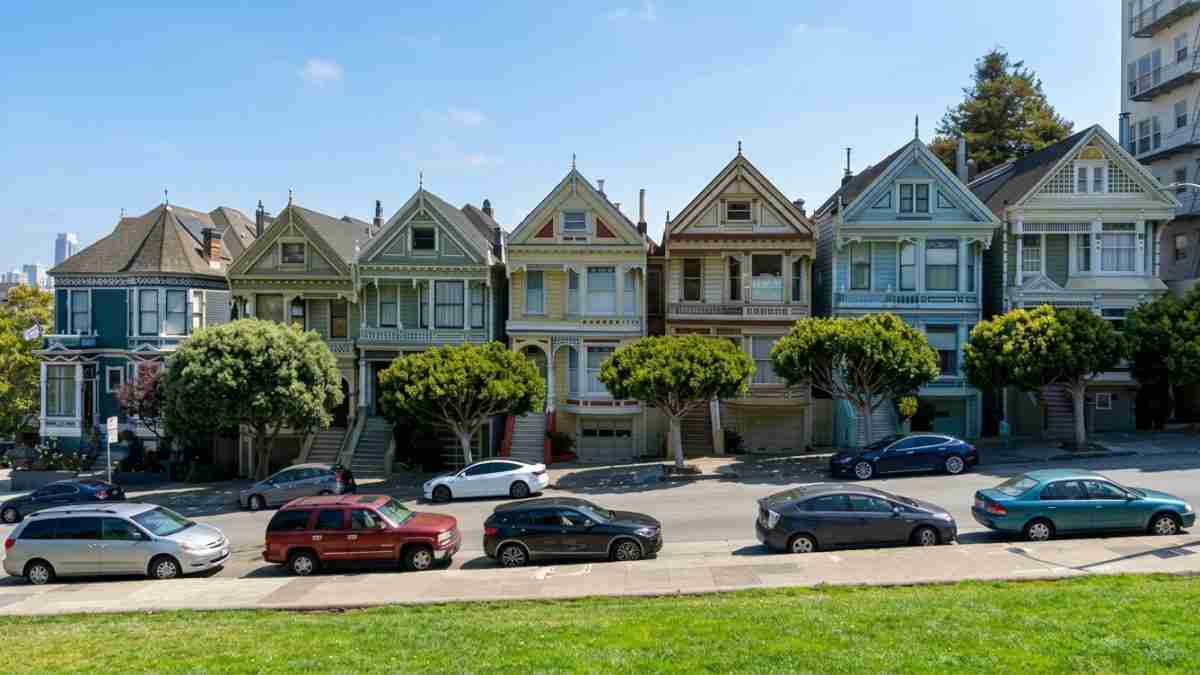
SAN FRANCISCO, July 24 (San Francisco News Online) — San Francisco’s housing market is again at the center of the region’s real estate story. Data from Redfin, Compass and Homes.com shows home prices in the city at or near record highs in 2026, with the sharpest gains concentrated in higher-end homes and condos.
The basic pattern is simple: more wealthy buyers are chasing a limited number of homes.
What the latest numbers show
Redfin data cited by BBC shows San Francisco’s median house price rose 19% year over year in March 2026, then 14.5% in April and 14.1% in May. By May, Redfin put the city’s median sale price at a record $1.76 million.
Compass data tells a similar story from a slightly different angle. Compass said San Francisco’s median house price reached a record $2.15 million in March 2026, up 18% from a year earlier. Compass also said condo prices rose 27% to $1.36 million, just below the prior high set in April 2022.
Those figures are not identical because they measure different things. A median price is the middle price in a set of sales, not the average. And different companies track different slices of the market, such as citywide sales, houses only, condos only, or the broader metro area.
Why AI is affecting housing
The reports point to the same driver: new wealth from the AI boom.
Redfin chief economist Daryl Fairweather told BBC that the prices are “astronomical” and said, “People are flush with cash and ready to buy.” She said Redfin’s view is based on market data and what the company has heard from agents.
Compass chief economist Mike Simonsen said the market has been “absolutely BANANAS” and pointed to “migration and hiring, as well as preparing for mega IPOs.”
The companies named in the coverage include AI firms such as OpenAI and Anthropic. The reports say the surge reflects a mix of high pay, stock-based wealth, and expectations that some workers will cash out if start-ups go public.
A Redfin report cited by Fortune also found a split inside the Bay Area market since the launch of ChatGPT in November 2022: luxury home prices rose 13.4%, while lower-end home values fell 3.8%.
Why bidding wars are getting so intense
This is not just a story about rich buyers. It is also a story about supply.
Compass reported that San Francisco listings fell 28% year over year in March 2026, homes sold for 23% above asking price on average, and properties spent an average of 20 days on the market.
The Guardian, citing Compass data, said more than 140 San Francisco homes sold for at least $1 million above asking in the first half of 2026, including 44 in June alone. Compass also said only eight homes sold for more than $1 million above asking in the first seven months of 2025, and six did so in the first half of 2024.
That is what happens when demand rises faster than inventory: buyers bid against one another, homes sell quickly, and asking prices become less important than final offers.
Why the market can look different from month to month
A few market reports can sound contradictory because they use different dates and different data sets.
Redfin’s city median sale price, Compass’s median house price, and metro-wide price figures are not interchangeable. One may cover all homes, another only single-family houses, and another the wider Bay Area market. That is why one report can show a $1.76 million median sale price in May, while another shows a $2.15 million median house price in March.
The trend, though, is the same across the reports: San Francisco has moved back to the top of the U.S. housing market, with Redfin data cited by BBC showing the city regained the title of most expensive U.S. city for homebuyers in March 2026.
When could the surge end?
No one can say exactly when this run-up will stop.
Some agents say the market could cool if more homes hit the market. Coldwell Banker agent Jeremy Rushton said he might expect a downturn if inventory stabilizes to more typical levels, adding that there is often an oversupply after Labor Day, though he said it remains to be seen whether that happens this year.
That is the main answer experts keep coming back to: prices are likely to stay hot as long as AI-related wealth keeps flowing in and supply stays tight. If hiring slows, start-up riches dry up, or more homeowners decide to sell, the pace could ease. Until then, the combination of scarce inventory and deep pockets is keeping San Francisco near the top of the nation’s housing list.