REDWOOD CITY, Calif., July 21 (San Francisco News Online) — A recent Fox News report about a preventive scan that found a brain tumor has put full-body MRI back in the spotlight. For most people deciding whether the test is worth it, the key question is not whether MRI can find abnormalities. It can. The bigger question is whether scanning healthy people leads to better health outcomes or just more tests, more worry and more cost.
In San Francisco, that debate is close to home. UCSF radiology researcher Dr. Rebecca Smith-Bindman told CBS San Francisco that there is “not a stitch of evidence” that whole-body MRI helps people live longer or better, and she warned that the scans can create false positives and more follow-up care.
What a full-body MRI is
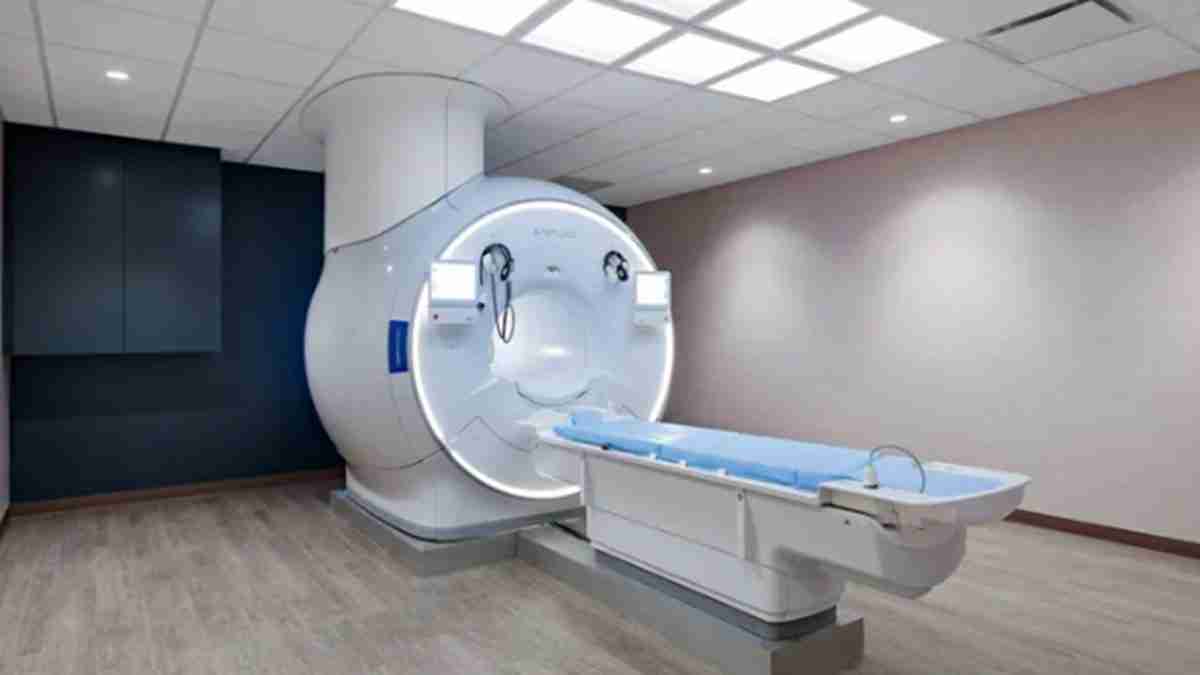
A full-body MRI uses magnets and radio waves to create images of the body. The American Cancer Society says MRI does not use ionizing radiation, unlike CT scans.
That matters because some people are drawn to MRI as a way to avoid radiation exposure. But the lack of radiation does not mean the scan is risk-free.
Why major medical groups are cautious
The Food and Drug Administration says it knows of no scientific evidence that whole-body scanning of people without symptoms provides more benefit than harm.
The American College of Radiology says there is not enough evidence to recommend total-body screening for people who have no symptoms, no risk factors and no family history suggesting disease or serious injury. The American Academy of Family Physicians and the American College of Preventive Medicine also advise against routine whole-body scans for early tumor detection in people without symptoms.
The U.S. Preventive Services Task Force has also said pancreatic cancer screening in asymptomatic adults who are not known to be at high risk gets a D rating, meaning the harms outweigh the benefits.
What can go wrong
The American Cancer Society says the biggest concern is the downstream effect of a scan that finds something uncertain. A scan can show a “spot” or “shadow” that turns out to be a normal variation, not disease. That can lead to anxiety, repeat imaging, biopsies or other procedures.
Doctors also warn about overdiagnosis, which means finding a condition that might never have caused symptoms or death. The American Cancer Society says whole-body MRI can also create false reassurance if it misses a problem that is still there.
Another issue is cost. The American Cancer Society says insurance companies rarely pay for whole-body MRI because it is not part of standard medical care.
When a scan may make more sense
The caution from medical groups is aimed at screening people who feel well and do not have a clear reason for the test. That is different from using MRI for a specific symptom, a known condition or a higher-risk situation guided by a doctor.
The reason is simple: a scan can only help if finding something early leads to treatment that improves health. In a JAMA editorial cited by ABC News, radiology experts Matthew Davenport and Dr. Scott Reeder said no major medical group recommends whole-body MRI for the general population because the benefits remain unproven.
The bottom line for readers
The recent attention around a preventive scan that found a brain tumor does not change the basic medical debate. For healthy people, major medical organizations say the evidence does not show that routine full-body MRI saves lives, and the risks include false alarms, unnecessary follow-up and expense.
That is why the scans remain a personal choice for some people, but not a standard screening test.