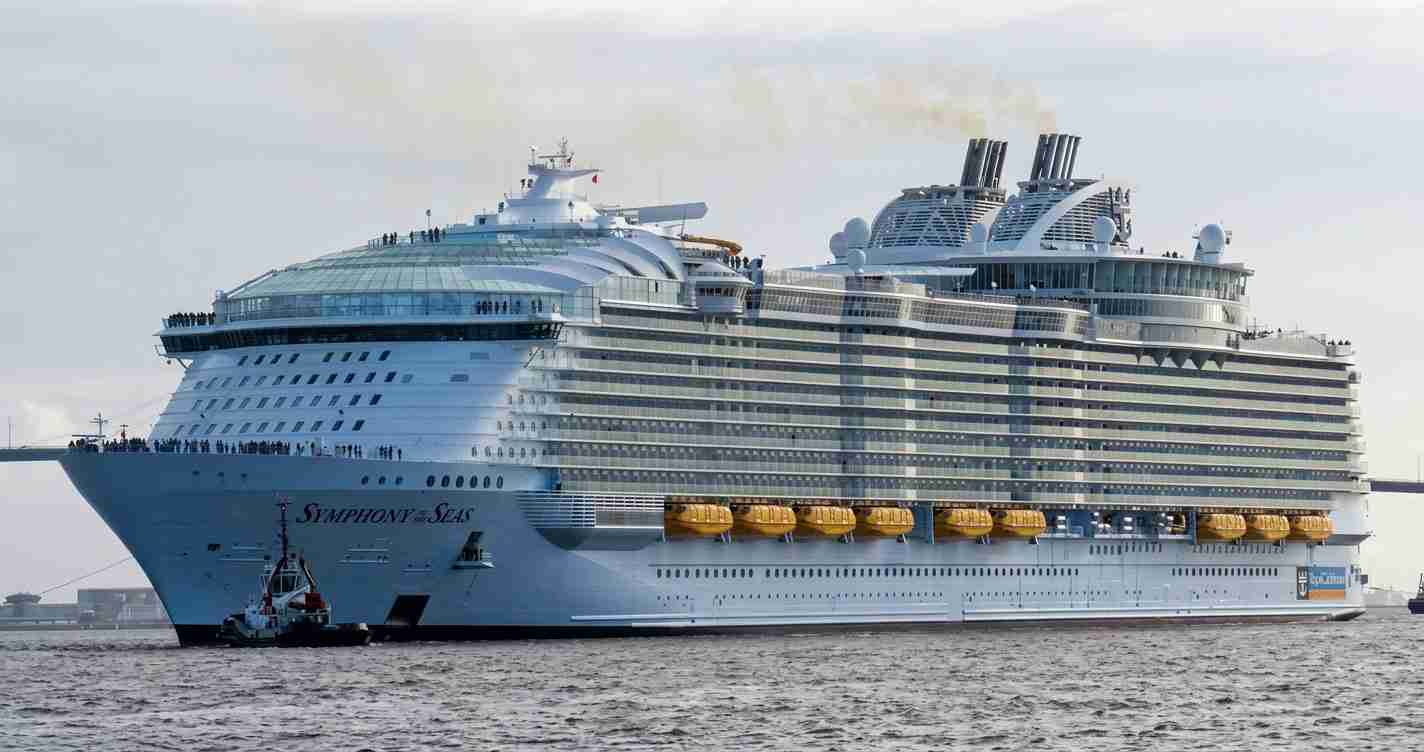
Cruise ship door decorations divide travelers as lines tighten rules over safety, damage and theft
Cruise ship passengers’ tradition of decorating stateroom doors is under renewed scrutiny as Royal Caribbean and other lines tighten rules, citing fire safety, damage and theft concerns — prompting debate over passenger expression versus operational needs.
- Royal Caribbean notice: Symphony of the Seas guests received guidance limiting door and interior decorations.
- Safety and maintenance: Lines cite fire risk, adhesive damage and theft as primary concerns.
- Passenger split: Some call décor essential to the cruise experience; others avoid it to reduce loss or follow rules.
- Practical workarounds: Cruisers recommend cheap magnets, photos of décor and non-adhesive options.
What happened on Symphony of the Seas
Passengers on Royal Caribbean’s Symphony of the Seas were sent an official notice asking them to avoid placing items on stateroom doors and throughout ship interiors. The notice, reported by Cruise Hive, reminds guests that materials on doors, corridors and other interior surfaces can be restricted and subject to removal if they don’t meet ship standards.
“Materials on doors, corridors and other interior surfaces can be restricted and subject to removal.”
Why passengers decorate
For many travelers, stateroom door decorations are a lightweight tradition and a practical convenience. Long, repetitive hallways on large ships make it easy to miss your cabin; decorations also help groups and families locate rooms quickly. Online forums show both social and functional reasons for the habit — and the occasional worry about losing items during a cruise.
One Reddit user noted: “All the pictures I’ve seen look fun, but I’m worried about being the only one doing it, or our decorations (nothing expressive obviously) disappearing over the trip.”
Cruise lines’ safety and maintenance concerns
Cruise operators emphasize that safety and ship maintenance motivate stricter enforcement. Three main issues are cited:
Fire safety
Doors, walls and corridor materials are engineered to meet strict fire-safety ratings. Lines warn that non-fire-retardant items or string lights can interfere with safety ratings and emergency procedures. For example, Carnival’s public rules require decorations to be fire retardant and ban string lights — a common industry safeguard; see Carnival Cruise Line for details.
Damage from adhesives
Crew and maintenance teams report repeated problems from tape, glue and other adhesives that peel paint or mar metal door finishes. Disney Cruise Line explicitly warns guests to avoid tape and similar adhesives because they can damage finishes and require repairs; see Disney Cruise Line.
Theft and vandalism
Personalized magnets and sentimental items are easy targets. Cruise Hive and social posts cite multiple complaints about stolen or moved magnets on Royal Caribbean, Carnival, Disney and other lines.
Community reaction: split between tradition and practicality
Frequent cruisers are divided. Many defend door décor as harmless fun and a way to mark milestones like birthdays or reunions. Others abstain because they fear theft, damage fines, or rule enforcement. A common compromise in forums: use cheap, disposable items or only place decorations where adhesives won’t damage surfaces.
Practical tips from experienced cruisers
- Use inexpensive or disposable magnets so a stolen item is a small loss.
- Avoid adhesives such as duct tape, superglue or command strips that crews warn can damage doors.
- Photograph decorations upon boarding to document any removal or theft.
- Choose larger, less portable items that are harder to snatch quickly, if allowed.
- Check official rules before packing to plan compliant options.
Royal Caribbean policy and industry context
Royal Caribbean’s notice to Symphony of the Seas guests reflects a broader industry trend toward stricter enforcement of interior-decoration rules. Lines balance passenger experience with operational needs: enforcing fire-safety ratings, protecting finishes, saving maintenance time and preventing onboard disputes over stolen items. Policies vary, but common themes include permitting decorations only when they meet safety rules, banning string lights, and discouraging adhesives that damage surfaces.
Why the debate matters to moderate-conservative readers
The issue raises questions about personal responsibility and protection of private property. Cruise lines are private operators that set rules to protect assets and customers; enforcing rules reduces operating costs and may help keep fares competitive. At the same time, rule-abiding passengers want reasonable, low-cost ways to celebrate milestones without creating hazards or extra crew work.
Implications for California
Economic impact: California is a major source of cruise passengers and home to West Coast embarkation ports. Stricter enforcement could shift demand toward compliant decoration products and require travel advisors to warn clients in advance.
Political and regulatory: State-level rulemaking is unlikely because cruise-safety standards are largely federal and international, but California consumer groups could press lines for clearer guidance and loss-replacement policies.
Social effects: Restrictions could change small social rituals that make cruises feel festive for families and reunion groups, though fewer decorations may reduce theft and onboard conflicts for some travelers.
Practical advice for Californians: Check your carrier’s door decoration rules, bring non-adhesive low-value magnets or door-handle signs if allowed, and photograph decorations upon boarding.