Luxury liner diverts in rough Pacific to save injured sailor from dismasted boat; passengers applaud crew
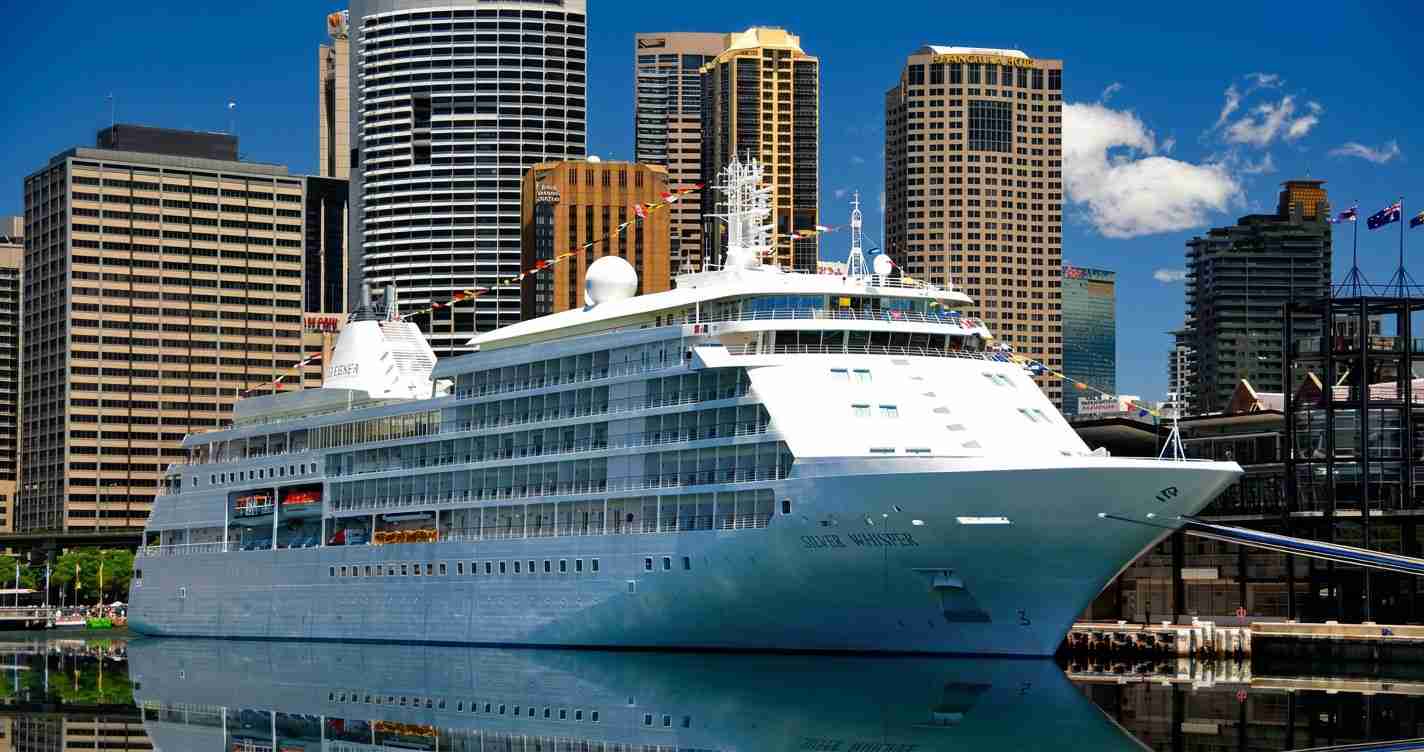
On May 26, 2026, the Silversea ship Silver Whisper diverted seven hours through heavy Pacific seas to rescue a lone, injured sailor from the dismasted sailboat April Alice after a U.S. Coast Guard distress relay; passengers applauded the crew.
Key takeaways
- Seven-hour diversion: Silver Whisper altered course and searched in rough seas before locating April Alice.
- Injured sailor: The lone sailor suffered a broken left shoulder and received onboard treatment; plans were to disembark in Vancouver.
- Coast Guard coordination: The U.S. Coast Guard directed the nearest suitable vessel when air rescue was not feasible.
- Passenger reaction: Guests praised the captain and crew; some faced travel delays but supported the life-saving decision.
Main coverage
Key information
Date: May 26, 2026 (afternoon).
Rescuing ship: Silver Whisper, operated by Silversea Cruises (owned by Royal Caribbean Group). Source: Cruise Hive.
Distressed vessel: April Alice, reported dismasted and without power or communications. Sources: Cruise Hive, Cruise Mummy.
Duration: Roughly seven-hour diversion and search before the rescue. Sources: Cruise Hive, Cruise Mummy.
Injury: Broken left shoulder; treated on board with plans to disembark in Vancouver. Source: Cruise Hive.
Voyage context: Silver Whisper was on a 24-night one-way voyage from Papeete, Tahiti, to Vancouver when it diverted. Sources: Cruise Hive, Cruise Mummy.
Search and rescue at sea: what happened
According to passenger accounts reposted by cruise-focused outlets, Silver Whisper received direction from the United States Coast Guard after a Mayday distress call was relayed for a lone sailor aboard April Alice. Reporting and timelines were compiled by Cruise Hive and Cruise Mummy.
“A needle in a haystack” — a passenger Facebook post quoted in reporting described the tense multi-hour search without exact coordinates.
The ship, under Captain Michele Macarone Palmieri, altered course and began a methodical search. Rough seas complicated the maneuver: passengers reported that stabilizers were retracted for safer handling and some guests were asked to return to cabins during the operation. Sources describing on-board accounts and photos include Shipboard Cruiser and Cruise Mummy.
It took about seven hours to reach the disabled sailboat and roughly one hour after arrival to bring the injured sailor aboard, according to passenger timelines and cruise trackers cited by Cruise Hive.
Condition of April Alice and the sailor
Social-media photos and passenger captions circulated showing a sailboat with its mast gone and damage consistent with a dismasting event. Reports indicate April Alice lost power and communications in high winds, leaving the sailor unable to call directly for help. See coverage by Cruise Hive and Cruise Mummy.
Medical status: The sailor suffered a broken left shoulder but was reported to be “doing well” after treatment aboard Silver Whisper; the plan was to disembark him in Vancouver for further care and processing (Cruise Hive).
Legal and maritime context
Under international maritime law, including the SOLAS framework, masters of ships have a recognized obligation to assist persons in distress at sea when possible and reasonable. That duty explains why the Coast Guard directed Silver Whisper to assist when air rescue was out of range. For background, see IMO SOLAS overview and the operational notes in reporting by Cruise Hive.
Large cruise ships like Silver Whisper (about 28,258 gross tons, ~392 guests) are often better equipped than small pleasure craft to stabilize and treat injuries at sea, with onboard medical teams able to hold patients until shore transfer is possible (Cruise Mummy).
Operational impact and passenger reaction
The rescue delayed Silver Whisper’s voyage toward Vancouver. Cruise-tracking noted the ship near Neah Bay, Washington, roughly 81 nautical miles from Vancouver after the incident, and the vessel later resumed course (Cruise Hive).
Some passengers reported the risk of missing onward flights due to the delay, but many wrote that prioritizing a life-saving rescue was the right decision. One report also noted a crew member sustained an injury during the rescue; details were limited in early coverage (Travel and Tour World, Shipboard Cruiser).
Implications for California
Economic and travel impact
Although the rescue occurred well north of California waters, many Californians cruise from West Coast ports or connect through Vancouver; delays can cascade into missed flights, extra hotel nights and added costs. This resonates with readers focused on predictable travel and corporate responsibility (Cruise Mummy).
Maritime safety and Coast Guard resources
The incident highlights how U.S. Coast Guard coordination can extend far offshore and how commercial vessels sometimes serve as first responders when air assets are out of range. For Californians monitoring budgets and readiness, it underscores that private ships can fill gaps but that such reliance has limits (Cruise Hive).
Local political consequences
Policymakers may use incidents like this to argue for clearer search-and-rescue funding priorities or more public guidance for mariners about when to rely on commercial vessels versus requesting Coast Guard assets. The rescue demonstrates strengths and limits of current systems and can inform budget and policy debates.
Social and community effects
Stories of at-sea rescues often prompt renewed interest in boating safety, emergency communications and seamanship training. Local yacht clubs, marinas and coastal safety organizations may push for updated guidance on redundant communications and emergency beacons.
Practical considerations for residents
For travelers: buy flexible tickets and travel insurance for long cruise connections. For mariners: register float plans, carry emergency beacons, and maintain reliable communications when voyaging far offshore to reduce need for long-range rescues (Cruise Mummy).
Sources and reporting
- Cruise Hive — key timeline, ship and injury details.
- Cruise Mummy — passenger photos and firsthand accounts.
- Shipboard Cruiser — social posts and passenger reporting.
- Travel and Tour World — additional early coverage.
Reporting note: This article draws on reporting and passenger accounts compiled by the outlets above. Where available, passenger social posts and cruise-tracking data were used to confirm timeline and location details.