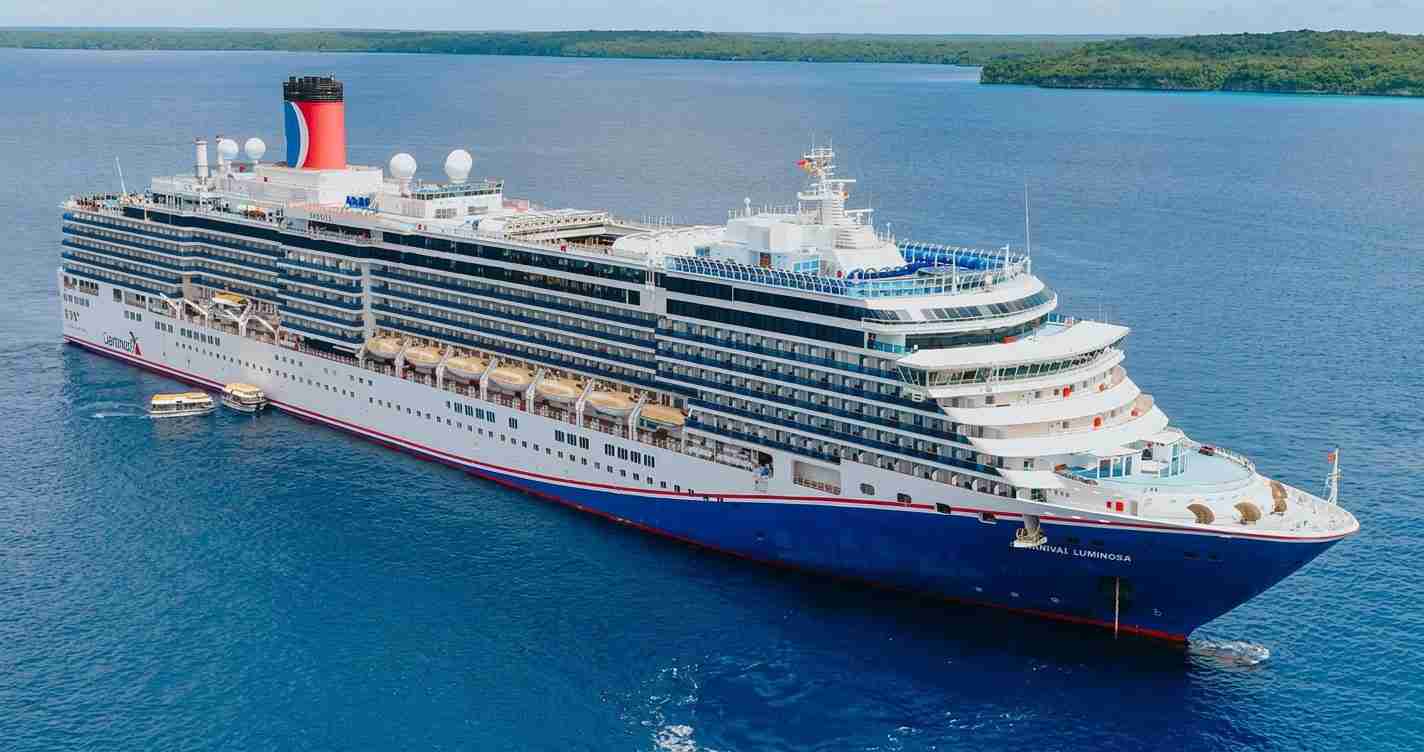
Carnival warns passengers to cover up in Lifou, New Caledonia — citing respect for local culture and to protect future port calls
Carnival Cruise Line has begun enforcing a stricter dress code in Lifou, New Caledonia, asking passengers to wear conservative swimwear and clothing ashore to respect local indigenous customs and help preserve future port calls to the island.
Key takeaways
- Pre-arrival notice: Carnival issued guidance to guests aboard Carnival Splendor before the June 2 Lifou call, noting local dress is more conservative than onboard norms; reported by Cruise Hive.
- Restricted swimwear: Guests were asked to avoid G-strings, thongs, monokinis, mankinis and topless sunbathing in beaches and public places; see Carnival dress-code guidance.
- Respect and access: Carnival framed the rules as respect for tribal and religious customs and warned that noncompliance could jeopardize Lifou port calls.
- Practical advice: Pack one-piece swimsuits, cover-ups and modest clothing for markets, churches and community spaces ashore.
Main story
What Carnival told passengers about Lifou
Carnival’s pre-arrival notice to Splendor passengers stressed that certain ports require more conservative clothing than what guests may wear on ship decks. The line asks passengers to “respect the local culture and rules in the ports we visit,” and specifically identifies Lifou as a place where communities may request one-piece or full-piece swimwear instead of bikinis or monokinis.
The reminder, distributed before the June 2 Lifou call during an eight-night cruise from Sydney, was covered by Cruise Hive, which also listed the swimwear types Carnival advised against.
Carnival’s official policy and how it differs by setting
Carnival’s onboard culture is largely casual: “Cruise Casual” by day and optional “Cruise Elegant” for some evenings. Onboard pools and decks tolerate more revealing swimwear, while dining rooms and formal venues remain more restrictive.
Destination-specific rules: For ports of call, Carnival’s guidance becomes specific to the destination. The company notes that tribal or religious communities — including Lifou — may ask visitors to cover up. For the official line on port-specific expectations, see Carnival dress-code guidance.
Why Lifou has stricter expectations
Lifou, one of the Loyalty Islands in New Caledonia, is home to Kanak indigenous communities. Many villages maintain conservative social and religious traditions. As tourism grows, community leaders have asked visitors and cruise lines to honor local dress norms because beaches often function as shared community spaces rather than purely tourist zones. For background, see Lifou.
Enforcement and possible consequences
How rules are applied:
- Local authorities or community leaders may ask visitors to cover up or deny access to specific areas.
- Carnival warned that repeated violations could threaten Lifou’s inclusion on future itineraries, implying corporate-level itinerary changes if relations deteriorate.
There is no public reporting of fines on Lifou for attire violations. Carnival appears to rely on education, pre-arrival notices, shipboard announcements and community requests rather than legal penalties (Cruise Hive; Carnival dress-code guidance).
How this fits a broader trend
Lifou’s guidance is part of a global pattern of destinations raising visitor conduct expectations — from religious sites to European towns restricting flashy swimwear or topless sunbathing. Lifou’s approach is community-driven and framed as cultural respect rather than municipal penalty schemes.
Passenger reaction and online debate
Online response is mixed. Some travelers emphasize personal freedom and the permissive nature of onboard attire; others argue visitors should adapt clothing ashore to respect family-centered and conservative communities. Cruise forums and social platforms, including Reddit, show both positions and spirited discussion.
“Wear what you want,” wrote one user; others urged visitors to be mindful of local norms in shared community spaces.
Implications for California
Economic impact: If cruise lines lose access to niche ports like Lifou, itinerary variety for West Coast passengers on long South Pacific voyages could diminish, affecting demand for premium sailings and niche travel agents.
Political consequences: The Lifou dress-code issue touches on conservative values of local norms and community self-determination; California tourism boards and elected leaders who promote sustainable travel practices may support clear pre-travel guidance.
Social effects: Families and multigenerational travelers may welcome explicit rules protecting family-friendly spaces ashore, while some Californians prioritizing body autonomy may view restrictions as overreach.
Cultural relevance: California’s Pacific Islander and indigenous communities may appreciate Carnival’s move to honor Pacific cultural standards, but clear communication is essential to avoid travelers feeling singled out.
Practical applications for California travelers and travel businesses
- Update packing lists and marketing materials to include “Carnival Lifou dress code” and “Lifou cultural dress” notes for South Pacific voyages.
- Pack one-piece swimsuits, cover-ups and modest clothing for churches, markets and community spaces ashore.
- Travel advisors should brief clients on cultural sensitivity and emphasize that compliance helps protect unique destinations and local economies.
Sources and further reading
- Carnival dress-code guidance
- Cruise Hive reporting on Carnival Splendor’s Lifou visit
- Lifou background and context
Note: This article preserves reporting and links from original sources and emphasizes Carnival’s stated rationale that modest dress ashore in Lifou reflects community standards and helps protect continued port visits.