Acting President Delcy Rodríguez Pledges Continued Prisoner Releases, Calls It a “New Political Moment” After Maduro’s Ouster
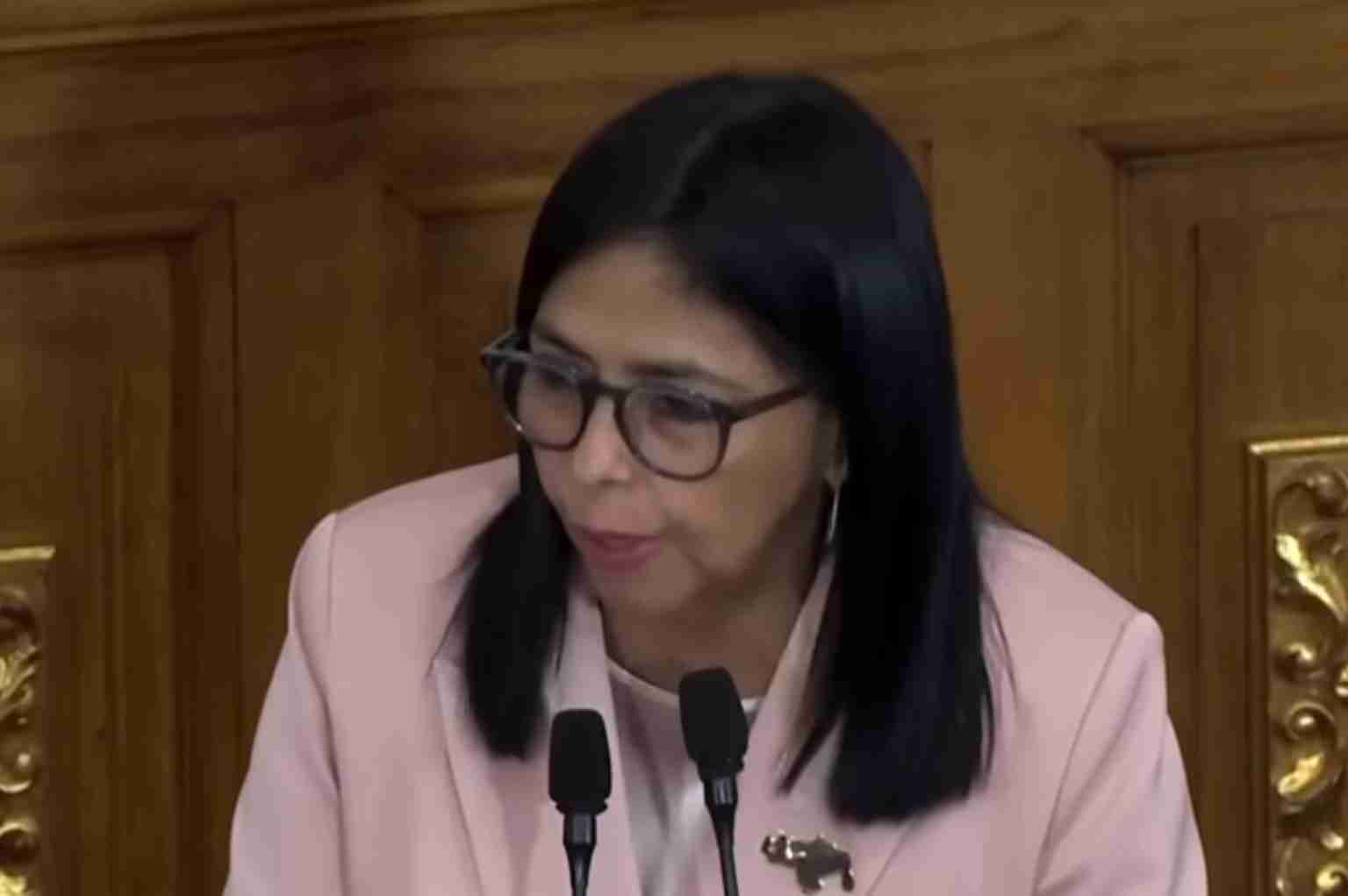
Acting President Delcy Rodríguez said her interim government will continue releasing detainees held under Nicolás Maduro, calling the moves a “new political moment” aimed at coexistence and tolerance after Maduro’s ouster during a U.S. operation.
Key takeaways
- Rodríguez said her government has carried out prisoner releases and will continue to do so, calling it a step toward coexistence and tolerance.
- Independent monitors confirm dozens of releases but say hundreds remain detained under Maduro-era practices.
- Foro Penal estimates roughly 800 remain detained; rights groups warn transparency gaps persist.
First briefing in the presidential palace
Wednesday briefing: Acting President Delcy Rodríguez held her first official press briefing at the presidential palace in Caracas on Wednesday. She spoke for just over five minutes and did not take questions. Rodríguez stood beside her brother, Jorge Rodríguez, and Interior Minister Diosdado Cabello, describing releases as part of a broader effort to heal the country.
Numbers and conflicting claims
At the briefing Rodríguez offered figures for releases that vary across accounts: one report cited about 212 freed, while other coverage put the total near 406 under the current effort. Rodríguez also credited Nicolás Maduro with initiating some releases, saying he oversaw 194 releases in December 2025 to promote “understanding, coexistence and tolerance.”
Verified releases and independent counts
Human rights monitors report lower verified totals than some official statements. Foro Penal confirmed at least 68 people were released after the interim government pledged action, including political activist Nicmer Evans and former campaign staffers Julio Balza and Gabriel González. Other outlets reported smaller groups freed on several days; El País noted batches of roughly 20–24 people in some lists, while ministries sometimes published larger, unverified lists.
Scope of detainees and remaining cases
Rights groups estimate hundreds remain detained: Foro Penal and observers estimate around 800 people, and some counts suggest more than 1,000 could still be held from cases under Maduro’s era. The interim government says it is evaluating detainees with criteria that exclude those accused of violence or “messages of hatred,” a process coordinated by Interior Minister Diosdado Cabello.
High-profile releases and restrictions
Among the notable cases, the interim government freed at least four U.S. citizens days before Rodríguez’s conference — the first known American releases since Maduro’s removal. KSL reported those U.S. releases. Italian diplomats facilitated repatriation for two detainees and Spanish-Venezuelan nationals were among others freed, according to El País. Some released individuals face ongoing restrictions, including bans on public statements.
Political context: U.S. role and domestic power dynamics
The releases take place amid a sharp realignment after a U.S. military operation removed Nicolás Maduro. The Trump administration publicly backed Rodríguez, signaling interest in stabilizing Venezuela and influencing oil sales. Rodríguez has presented releases as a domestic policy choice even as some releases followed direct U.S. requests (El País). Hardline security figures still wield influence, complicating who sets prison policy in practice.
Criticisms and concerns over transparency
Human rights organizations and detainees’ families have criticized the process as slow, secretive and uneven. Protesters demanded clear lists and faster action outside prisons. Foro Penal warned that many remain behind bars, and reports noted at least one detainee, Edison Torres, died in custody from a reported “sudden decompensation,” raising further human rights alarms.
International responses and diplomacy
Diplomatic pressure and mediation contributed to some releases: Italy and Spain reported direct involvement in freeing nationals, while U.S. officials say they pressed for American detainees to be freed. See coverage from El País and KSL for details on diplomatic channels.
Implications for California
Economic: A more stable Venezuela could reduce volatility in energy markets and influence global oil flows, with potential effects on California households and businesses (KSL).
Humanitarian and community impact: California’s large Venezuelan diaspora watches closely; transparent, faster releases could ease émigré anxiety and affect remittances, legal aid, asylum demand and family reunification patterns (El País).
Political and policy effects: The U.S. involvement and energy-related policy aims will inform debates in Sacramento and among congressional representatives with Venezuelan-American constituencies (KSL).
Security and migration: Continued instability or opaque releases could increase asylum and visa pressures on federal and state systems, requiring NGOs and county services to prepare for arrivals.
Legal and human rights advocacy: California-based groups may push for independent monitoring and greater transparency; advocacy can seek U.S. policy that pairs diplomatic pressure with humanitarian oversight (KSL; El País).
Practical note: Californians with family in Venezuela should seek verified information from independent monitors like Foro Penal, consular services, and established NGOs; monitor U.S. State Department guidance and local community groups.
Reporting and verification needs
As releases continue, independent verification remains critical. Journalists and advocates should press for clear detainee lists, access to prisons, and transparent release criteria. Coverage and monitoring from multiple outlets — including Fox News, KSL, and El País) should be triangulated to assess claims and outcomes.