EU designates IRGC terrorist as part of new Iran Revolutionary Guard sanctions after deadly protests
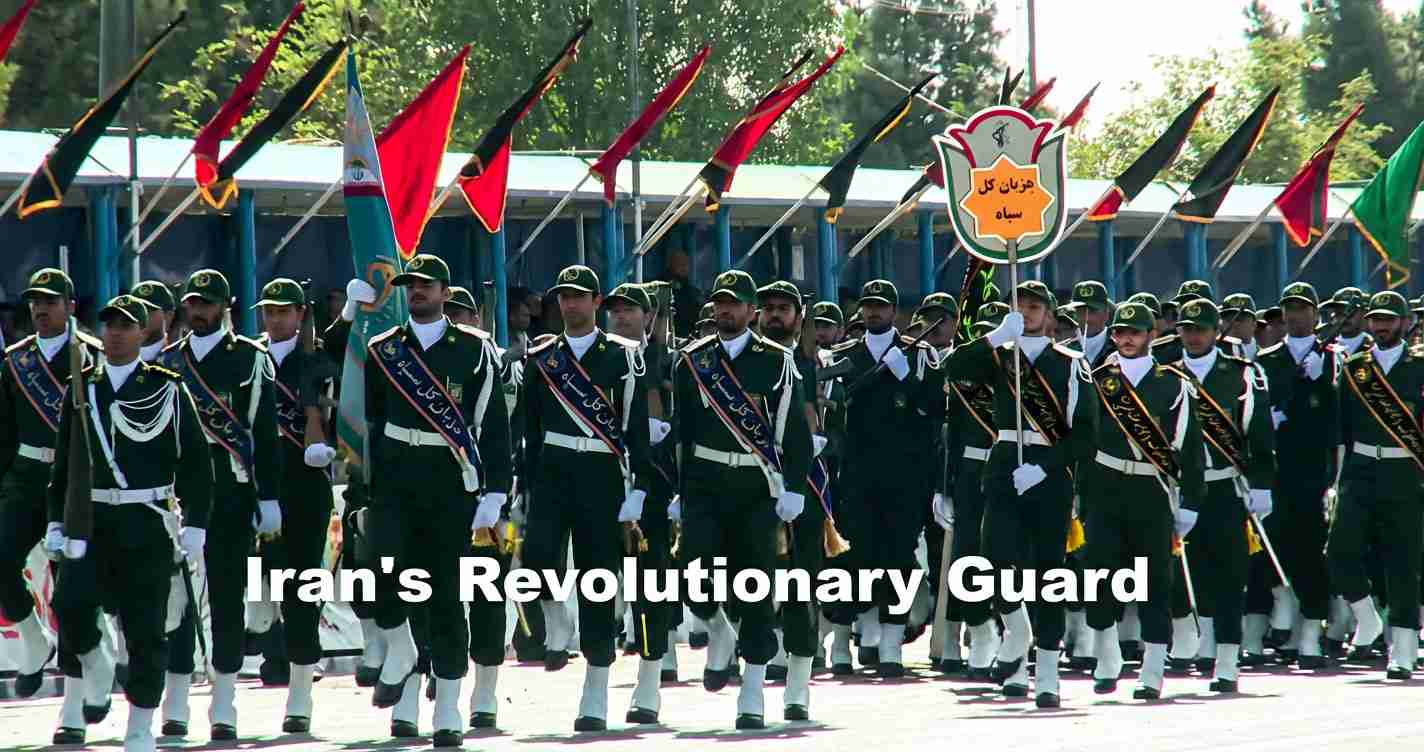
On January 29, 2026, the European Union unanimously designated Iran’s Islamic Revolutionary Guard Corps as a terrorist organization, imposing sanctions and criminalizing support amid international condemnation over the deadly repression of mass protests in Iran.
Key takeaways
- Unanimous EU decision (Jan. 29, 2026): The bloc agreed to place the IRGC on its terrorist list, with formal legal adoption expected in coming weeks (FDD analysis; Le Monde report).
- Criminalization and sanctions: Membership, support, or public display of IRGC symbols is criminalized and the group faces asset freezes and travel bans (Le Monde; World Jewish Congress).
- Wider sanctions package: Roughly 30 officials, judiciary and police figures, IRGC-linked entities, and companies tied to internet blackouts were added to the measures (FDD; Le Monde).
Main coverage
Key information
What happened: On January 29, 2026, EU foreign ministers agreed to add the IRGC to the EU terrorist list. The political decision is expected to be converted into formal legal text and binding measures in the coming weeks. Reporting and analysis of the move can be found in the Foundation for Defense of Democracies analysis and the Le Monde report.
What the designation means
Under EU rules the IRGC will be placed in the same legal category as groups like ISIS and al‑Qaeda. That categorization brings:
- Asset freezes for listed entities;
- Travel bans for named individuals;
- Expanded police and judicial cooperation across member states to investigate and prosecute support networks.
Iran expert Matthew Levitt said the designation “would make it a criminal offense to belong to the IRGC, support the group, attend its meetings, or display its logo in public” and would lead to “enhanced measures relating to police and judicial cooperation in criminal matters.” (Le Monde).
New sanctions and the wider package
Alongside the terrorist listing, EU foreign ministers approved nearly 30 additional names and entities. Targets include government officials, judges, police officers, IRGC-linked companies accused of participating in the crackdown, and organizations involved in a weeks-long internet blackout.
The package also contains measures tied to Iran’s military support for Russia, reflecting concern over Tehran’s regional and external military activities (FDD; Le Monde).
How the EU reached unanimity
Reaching agreement among 27 member states required weeks of diplomacy. Some governments — including France, Italy, Spain and Greece — had hesitated to close off diplomatic channels with Tehran. Italy shifted position on January 26, and France announced support on January 28, enabling a full bloc decision on January 29. Romania was the last country to declare its position before unanimity was achieved (Le Monde).
Political significance and international alignment
The EU decision aligns the bloc with countries that have already labeled the IRGC as terrorist, notably the United States (which listed the IRGC in 2019), Canada and Australia. EU foreign policy chief Kaja Kallas asserted that “Repression cannot go unanswered. Any regime that kills thousands of its own people is working toward its own demise.” European Commission President Ursula von der Leyen described the move as “long overdue” and welcomed the sanctions package on social media (FDD).
Limits of the move and expert caution
Analysts cautioned the designation may be largely symbolic and unlikely to force Iran’s leadership to change course. Ellie Geranmayeh (European Council on Foreign Relations) argued the measure sends a political signal but probably won’t shift calculations of top Iranian leaders focused on military strategy or negotiations with the U.S. The United Kingdom has said it will prepare domestic legislation for a similar designation but will not fast-track the bill (Le Monde; Iran International live updates).
Human toll that drove the step
EU officials cited the violent repression of protests inside Iran as the primary reason for action. Human rights monitors reported a heavy death toll during the unrest; one analysis cited by EU officials linked the move to reports that more than 35,000 civilians were killed during the latest wave of unrest that began in late December (FDD).
Legal and enforcement steps ahead
The political agreement will be followed by formal adoption of legal text. Once written into EU law, courts and police across member states will have authority to act against individuals and groups supporting the IRGC and to cooperate in sharing evidence and prosecuting related criminal activity (Le Monde).
How this fits into wider policy debates
The listing tightens pressure on Tehran at a sensitive moment. Some EU governments worried a hard line could jeopardize diplomatic channels on nuclear or security matters, delaying support until diplomatic safeguards were discussed. Ultimately, human rights concerns and pressure from allies shifted the balance (Le Monde).
Implications for California
Economic impact:
- Trade and business: California firms selling goods, services or technology with links to Iran may face legal risks if dealings touch IRGC-linked entities; banks and insurers could face heightened screening.
- Supply chains: Companies with global operations should review suppliers and partners for links to IRGC-related organizations, increasing compliance costs for exporters and tech firms.
Political consequences:
- State and federal ties: California officials may face pressure to align with federal policy; the EU move strengthens arguments in congressional debates on sanctions and immigration.
- Local politics: California’s large Iranian‑American community may push state leaders for statements, support for displaced families, and advocacy.
Social effects and cultural relevance:
- Diaspora response: Protests, vigils and activism in California cities are likely to continue or intensify.
- Humanitarian aid and research: Nonprofits and universities will need legal guidance to avoid sanctions violations while providing aid or collaborating on research.
- Media and education: Local newsrooms and campuses will closely cover developments; expect frequent use of terms such as EU Iran protests repression and Iran Revolutionary Guard sanctions.
Practical applications for residents
- Travel and remittances: The EU action does not directly change U.S. travel rules, but Californians sending money or travelling for humanitarian purposes should check federal guidance.
- Business compliance: Firms should review compliance programs, export controls and due diligence; legal counsel can advise on interactions between EU measures and existing U.S. sanctions.
Source links for further reading
- Foundation for Defense of Democracies analysis
- Le Monde report on the unanimous decision
- World Jewish Congress statement
- Iran International live updates on UK response
Reporting: Reporting from Brussels; Times Media Service.