Newsom signs package of tribal bills on California Native American Day, advancing tribal priorities and protections
Governor Gavin Newsom signed a package of tribal bills on Sept. 27, 2024, advancing tribal priorities, protecting Native youth, expanding social supports, and enabling cultural stewardship during the 57th Annual California Native American Day in Sacramento.
Key takeaways
- Historic package: Newsom signed AB 81, AB 1821, AB 2695, AB 2795 and SB 310 to address child welfare, curriculum, crime data, benefits access and cultural burns.
- Tribal reach: The laws affect California’s 109 federally recognized tribes and aim to strengthen government-to-government relationships.
- Implementation questions: Funding, agency coordination, data integration and training will determine how effectively the laws work in practice.
- Public programming: The signing occurred during cultural events and gatherings that blended celebration with legislative action.
Main content
Bill-by-bill breakdown
AB 81 (Ramos) — Embedding ICWA protections in state law
What it does: AB 81 codifies key protections of the federal Indian Child Welfare Act (ICWA) into California law to help keep Native children connected to families and tribes during foster-care and adoption proceedings. Supporters say it adds clarity for courts and child-welfare agencies.
See the governor’s office press release and coverage from ABC7 for more detail.
AB 2795 (Arambula) — Easier access to CalWORKs and TANF through Indian Health Clinics
Summary: AB 2795 reduces paperwork and administrative barriers by allowing Indian Health Clinics to assist Native families with CalWORKs and TANF applications, helping families navigate benefit systems without added delays. The governor’s announcement highlights reduced hurdles for families served by tribal clinics (governor’s office press release).
AB 1821 (Ramos) — Expanding K–12 instruction on Mission and Gold Rush eras
AB 1821 requires K–12 curriculum that covers the Mission period and Gold Rush era to include instruction on the treatment and lived experiences of Native Americans, aiming for a more complete, less sanitized account of history so students better understand how those periods shaped present-day Tribal communities (governor’s office press release).
SB 310 (Dodd) — Cultural burns and cooperative agreements
SB 310 authorizes the California Natural Resources Agency and local air districts to enter into cooperative agreements with federally recognized tribes to conduct cultural burns on ancestral lands. Proponents say this acknowledges tribal stewardship and uses traditional fire practices to reduce wildfire risk and restore ecosystems (governor’s office press release).
AB 2695 (Ramos) — Aligning crime data to track violence against Native communities
AB 2695 requires the California Department of Justice to align its systems with the National Incident-Based Reporting System (NIBRS) to enable faster, more accurate tracking of domestic violence and crimes disproportionately affecting Native people, including trends tied to Missing and Murdered Indigenous People (MMIP). Local reporting and advocacy coverage provides additional context (The Sacramento Observer).
Other measures: Tribal regalia at graduations
Coverage also notes steps to protect Native high-school students’ rights to wear tribal regalia at graduation ceremonies, limiting school authority to ban such expressions of culture (Lake County News).
Event, reactions and public programming
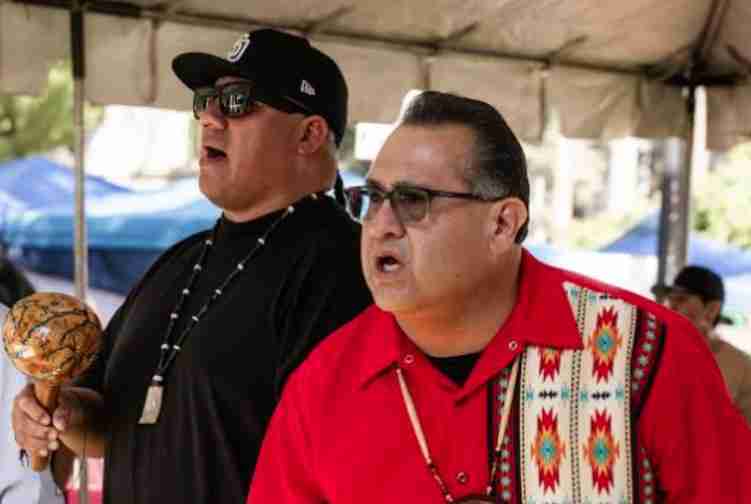
The bill signing coincided with cultural events, educational gatherings and a luncheon that drew tribal leaders and educators to Sacramento. Organizers framed the day as both a celebration and a legislative milestone for California tribes. Tribal leaders and advocates praised the package as practical steps toward sovereignty, safety and recognition; the governor described the measures as part of broader efforts to reconcile “dark chapters of our past.” See event websites (California Native American Day; NativeAmericanDay.org) and coverage from The Sacramento Observer and ABC7.
Investigative questions: implementation, funding and accountability
Promises on paper can stall in practice. Key unknowns remain about how state agencies will carry out these laws, whether funding is adequate, and how results will be measured. Critical questions include:
- Who will shoulder costs? Several bills expand services or require new tracking systems that may need additional funding; state budgets and local agency resources will influence rollout (governor’s office press release).
- How will data changes work in practice? Moving to NIBRS aims to improve tracking of violence against Native people, but integration across law enforcement, tribal police and local agencies can be complex and costly (The Sacramento Observer).
- Will cultural burns be scaled safely? SB 310 opens a path for traditional burns; clear protocols are needed to balance cultural practices with public-safety and air-quality standards (governor’s office press release).
- Can courts and child-welfare systems reliably apply ICWA protections? Codifying ICWA principles should reduce uncertainty, but training for judges, social workers and attorneys will be key to consistent application (governor’s office press release).
Sources and transparency
Reporting on the event and the legislative package is based on the governor’s official announcement and local coverage. Full details and the administration’s statement are available at the California governor’s office press release. Additional reporting and community reaction are documented by The Sacramento Observer and ABC7. Coverage of regalia protections appeared in Lake County News. Background on the Native American Day events is available at the event websites (California Native American Day; NativeAmericanDay.org). For context on the holiday itself, see the Native American Day page.
Implications for California
Economic impact
Some measures may reduce long-term costs by improving preventive care and stabilizing families. For example, easing access to CalWORKs and TANF through Indian Health Clinics could lower emergency and homelessness-related costs. Cultural burns, if scaled, could reduce wildfire suppression expenses over time by lowering fuel loads. Nevertheless, initial implementation may require state and local spending for training, system upgrades and interagency agreements (governor’s office press release).
Political consequences
For California’s 109 federally recognized tribes, the package signals continued influence in Sacramento policy-making and may strengthen government-to-government relationships. The bills could appeal to a range of constituencies by promising measurable returns: improved crime reporting, better wildfire-risk reduction and targeted social supports (ABC7).
Social effects
Embedding ICWA protections and improving benefit access aim to keep families intact and reduce trauma among Native youth. Improved data on violence and MMIP cases could make resources easier to target and help communities that have long sought attention to these issues (The Sacramento Observer).
Cultural relevance
Allowing cultural burns and protecting tribal regalia at graduations recognizes tribal traditions and expression. These steps aim to repair historical harms and build trust between tribes and state institutions, a foundation for lasting partnerships (governor’s office press release).
Practical applications for residents
Residents may see safer communities, more complete school curricula, and coordinated services for families served by Indian Health Clinics. People in fire-prone areas could benefit from reduced wildfire risk over time if cultural burns and collaborative land management are properly resourced. Public-safety agencies and schools must inform local communities about changes in reporting, curricula and student rights tied to these laws.
Next steps for policymakers: Allocate funds for training, clarify agency roles, and set implementation timelines to ensure these laws produce measurable improvements in family welfare, public safety and state-tribal relations.
Note: All facts, quotes and source links are preserved from official announcements and local reporting as listed above.