
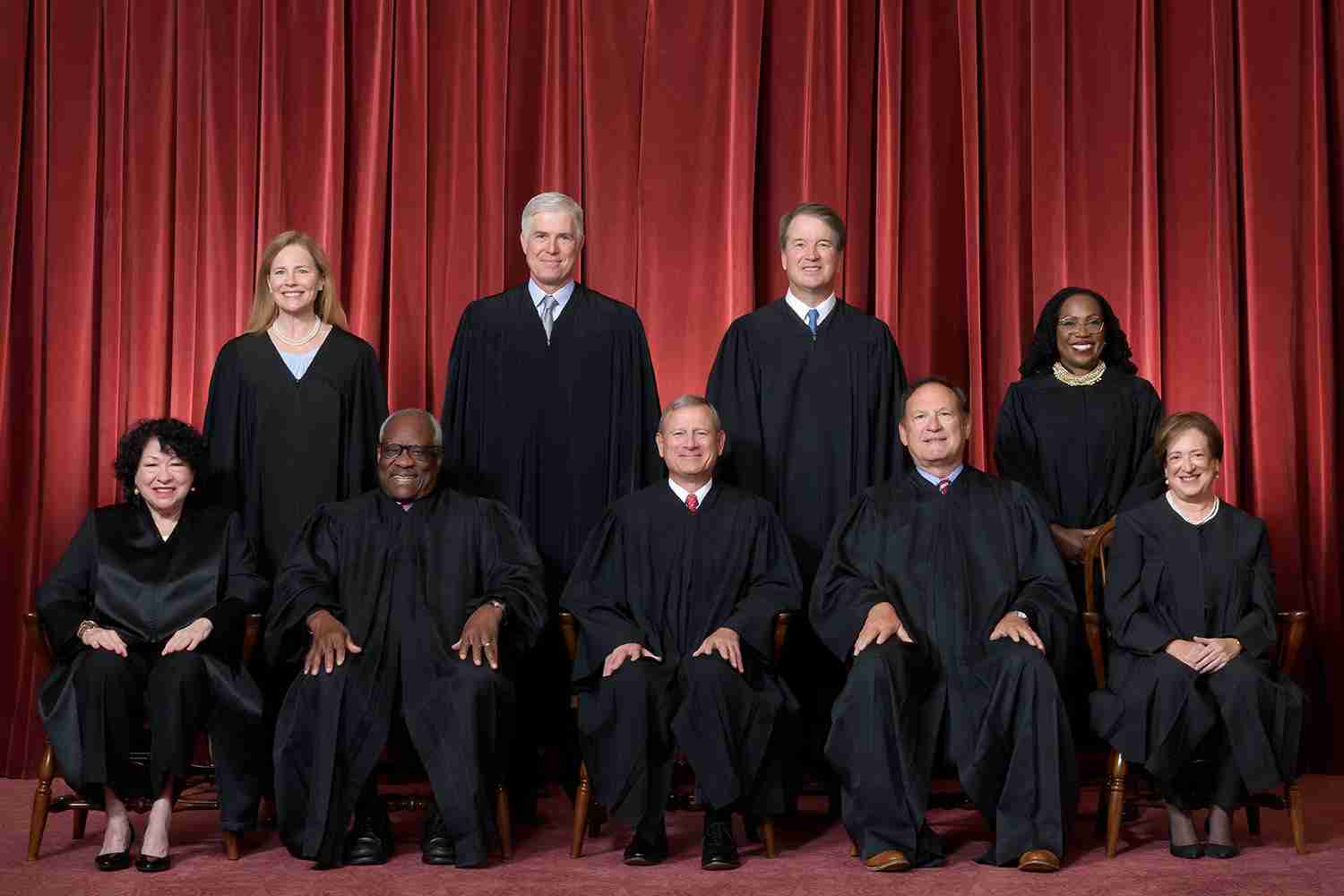
Supreme Court blocks Trump federalization of National Guard troops to Illinois, leaving Chicago plan on hold
The Supreme Court on Dec. 23, 2025 denied the Trump administration’s emergency application, blocking federalized National Guard deployment to Illinois and leaving lower‑court orders that prevented troop use in the Chicago area intact as litigation continues.
Key takeaways
- Trump v. Illinois (No. 25A443) — Supreme Court denied the emergency application on Dec. 23, 2025, leaving lower‑court orders in place.
- Vote and dissents: The unsigned order functioned as a 6–3 decision; Justices Alito, Thomas, and Gorsuch dissented and would have allowed deployment.
- Core finding: The Court said the President “failed to identify a source of authority that would allow the military to execute the laws in Illinois,” stressing domestic troop use is exceptional.
- Immediate effect: The ruling keeps Illinois and Texas Guard members from being used in Illinois under the October orders while the underlying litigation proceeds.
What the court did and why it matters
The Supreme Court refused to overturn a temporary restraining order issued by U.S. District Judge April Perry that barred the federalization and deployment of roughly 300 Illinois National Guard members. The Seventh Circuit likewise declined to lift its stay before the high court denied emergency relief.
The Court’s order focused on the administration’s failure to point to a clear statutory grant of authority to federalize Guard troops and use them to “execute the laws” inside a state. The decision is narrow — a denial of emergency relief rather than a full merits opinion — but it signals heightened judicial scrutiny of emergency requests to deploy troops domestically without robust statutory backing.
That restraint matters for the balance between federal power and state sovereignty and may limit executive options in future disputes over using Guard forces for law‑enforcement roles.
What President Trump tried to do
On Oct. 4, 2025, President Trump federalized about 300 members of the Illinois National Guard under 10 U.S.C. §12406(3), a statute permitting federalization when the President is “unable with the regular forces to execute the laws of the United States.” The next day the administration also federalized members of the Texas National Guard and sent them to the Chicago area, saying the Guard would protect federal personnel and property and assist with immigration enforcement in and around Chicago.
State officials and civil‑rights groups called the move a pretext to federalize troops against a Democratic‑led jurisdiction. The ACLU of Illinois characterized the administration’s rationale as “manufactured,” warning that the deployment risked turning the military into a tool of political targeting.
Lower-court rulings left intact
- U.S. District Judge April Perry issued a temporary restraining order barring the federalization and deployment while the case proceeds (court order).
- The Seventh Circuit denied the government’s request for a stay and the Supreme Court then declined emergency relief more than two months after the application, effectively leaving those rulings in place.
- Reporting on the decision and its effects is available via Axios and ABC News.
Legal reasoning and statutory limits
The Court emphasized that invoking federal military force to enforce domestic law is “exceptional” and requires a clear legal foundation. In its order the Court said the administration failed to identify a statutory authority that justified using federalized Guard troops to “execute the laws” in Illinois. The order did not resolve the full merits of 10 U.S.C. §12406 or broader questions about the Insurrection Act or Posse Comitatus, but it left intact the lower court’s skepticism that the statute, as presented, justified the October deployment.
The Court said the President had “failed to identify a source of authority that would allow the military to execute the laws in Illinois.”
The decision reinforces long‑standing limits on the use of federal troops for ordinary domestic law enforcement unless Congress has clearly authorized such action.
The dissents and a broader debate
Justices Alito, Thomas, and Gorsuch publicly dissented from the denial of the stay, arguing the administration should be allowed to proceed. Their dissents indicate a substantial bloc of the Court is willing to permit broader executive authority to federalize Guard units to protect federal property or enforce federal laws, fueling an ongoing debate about executive reach under statutes like §12406.
The ruling represents a setback for President Trump on emergency appeals and shows the Court can act as a constraint on executive moves to deploy troops domestically even with its current conservative majority.
Reactions
- ACLU of Illinois and the national ACLU hailed the ruling as a repudiation of what they called an unlawful deployment and an important protection against using the military for political ends (ACLU national statement).
- Illinois Governor J.B. Pritzker welcomed the decision as a win for state sovereignty and the rule of law (Governor Pritzker statement).
- The White House defended the move as protecting federal personnel and facilities and said the President remains committed to enforcing immigration laws.
Implications for California
Economic impact: California is unlikely to see direct economic changes from this ruling, but the precedent makes emergency federalization of state Guards for domestic law enforcement harder, potentially avoiding costs and disruptions to state missions such as wildfire response and disaster relief.
Political consequences: The decision preserves state authority over the National Guard and reinforces the idea that enforcement disputes should be settled in courts and Congress, not by unilateral federal actions — a dynamic important to moderate conservatives in California.
Social and cultural effects: The ruling reduces the risk of federally controlled troops operating in major California cities without state consent, aligning with local values favoring civil‑liberties protections and local control.
Practical applications for residents:
- State and local officials retain authority to deploy the California National Guard for state missions such as disaster response and search and rescue.
- Federal officials must rely on clearer statutory authority or cooperative agreements before federalizing state Guard units for domestic enforcement.
- Lawmakers may pursue clearer statutes or policies defining federalization triggers, affecting funding, training, or operational rules that touch everyday life.
Sources and further reading
- Supreme Court order, Trump v. Illinois
- Axios reporting
- ABC News
- ACLU of Illinois statement
- ACLU national statement
- Governor Pritzker statement
The case remains active in the lower courts and further legal arguments are likely as parties litigate the underlying merits of the federal government’s authority to federalize National Guard units for domestic enforcement in states that object.



