Delaney Hall protests in Newark: What’s verified after viral threats and calls from Mikie Sherrill to lower the temperature
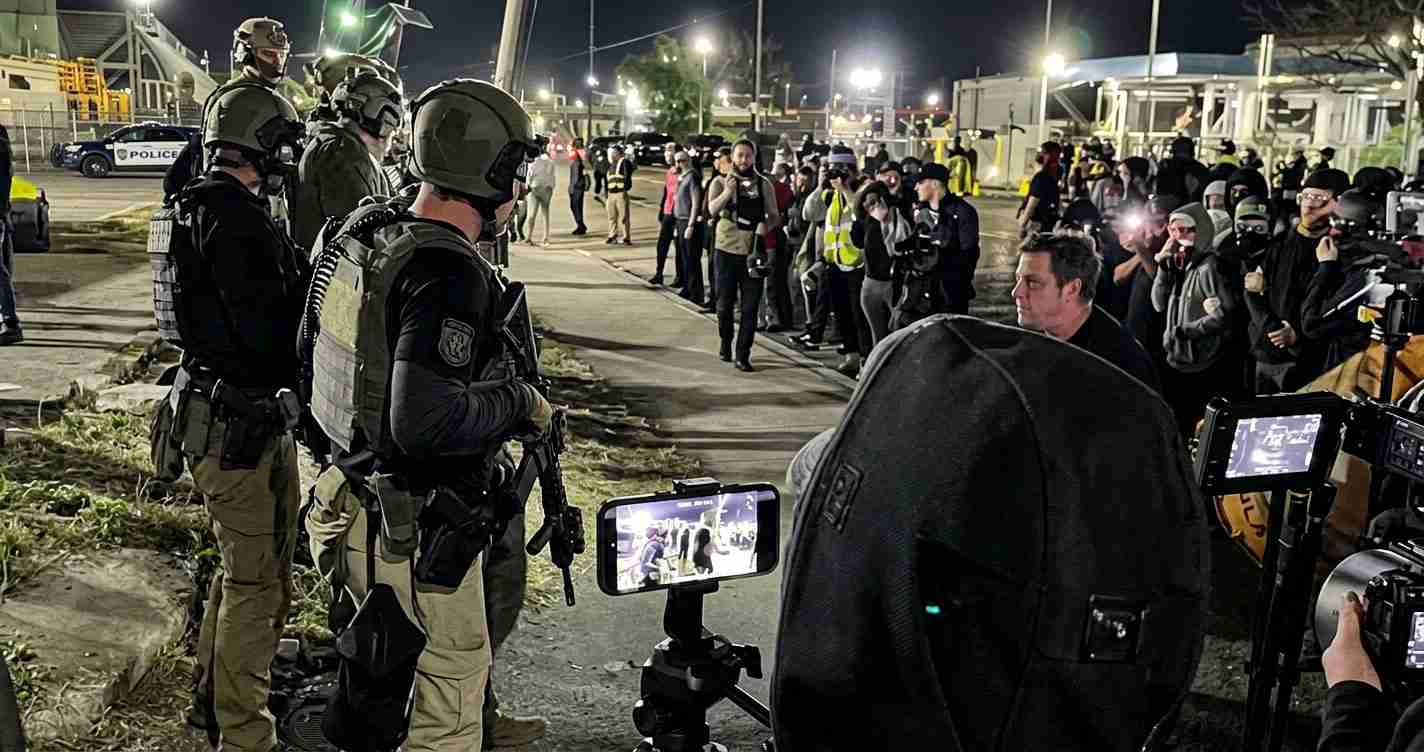
Protests outside Delaney Hall in Newark have intensified amid allegations of poor detention conditions and an alleged hunger strike; this report distinguishes verified facts from viral claims while documenting official responses, footage of confrontations, and Rep. Mikie Sherrill’s role.
- Protests and confrontations: Demonstrations at CBS New York and 6abc document large crowds and video of tense perimeter confrontations.
- Verified official responses: DHS/ICE disputed reports of a hunger strike and described detainee care and services in statements reported by 6abc.
- Political intervention: U.S. Rep. Mikie Sherrill visited the site, urged transparency, defended peaceful protest, and called for de‑escalation as reported by CBS New York.
- Misinformation flagged: Dramatic social posts claiming a DOJ manhunt after an explicit videotaped threat are not corroborated by major outlets; misidentification of individuals (e.g., naming Todd Blanche as a U.S. attorney general) is incorrect and noted in broader coverage including Fox News context.
What is happening at Delaney Hall
Delaney Hall is an immigration detention facility in Newark used by U.S. Immigration and Customs Enforcement (ICE). In recent days, advocates and family members have gathered outside the facility to press for access and to call attention to what they describe as poor conditions and a possible hunger strike among detainees.
Local television and publicly shared video show large crowds and tense moments in which protesters and federal officers faced off at the perimeter, with multiple outlets documenting the scenes. See coverage from CBS New York and 6abc.
ICE and DHS response
DHS/ICE has publicly pushed back on some protest claims, stating detainees receive regular meals, clean water, clothing, bedding, showers, hygiene items, and access to family and legal counsel — details reported in local coverage. Those statements do not end advocates’ demands for independent inspection and greater transparency.
Reporting and agency statements cited by 6abc provide the basis for the agency’s account.
Mikie Sherrill’s role and verified statements
U.S. Rep. Mikie Sherrill attended the site and publicly sided with protesters on the need for oversight. She asked federal authorities to allow inspections, questioned why access was being denied, and repeatedly urged officials to keep people safe and de‑escalate tensions. Reporting notes she invoked her background as a military veteran to emphasize constitutional protections and public safety (CBS New York; 6abc).
Note: Media accounts vary in labels and context; for accuracy, identify her by current official title where possible and note any new or changing political status.
Claims about explicit death threats and the DOJ response
Social posts and some partisan outlets circulated a dramatic narrative that a single “agitator” was recorded shouting explicit threats, including violent language directed at an ICE officer’s family, followed by an announced Department of Justice manhunt. Major mainstream outlets reviewed for this account do not corroborate that full sequence or publish a matched transcript of the graphic quotes.
While it is plausible that individuals shouted threats during heated protests — conduct that can be a federal crime if it targets federal officers or their families — reporting from CBS New York and 6abc does not confirm a formal DOJ statement matching the viral framing. The misidentification of Todd Blanche as a U.S. attorney general in some posts is a key sign that versions of the story mix verified footage with incorrect attributions (Fox News context).
“She urged officials to keep people safe and to de‑escalate tensions,”
— coverage summarized from CBS New York
How mainstream coverage and partisan accounts diverge
Mainstream local and national reporting emphasizes documented facts: protests, requests for oversight, denials of access, and tense confrontations captured on video. Partisan and social coverage has sometimes amplified raw clips, added dramatic framing, and misattributed official statements. Readers should treat viral posts that add official-sounding quotes or dramatic attributions with caution until verified by reputable outlets.
Legal context: threats and investigations
Threats against federal officers or their families are serious federal offenses. When credible threats are made, federal prosecutors and law enforcement generally open investigations. Public promises to find and arrest suspects are standard, but such statements should be confirmed by official DOJ or U.S. attorney disclosures before being reported as fact.
Local and national outlets reported confrontations and said federal officials labeled some behavior unacceptable, but they did not publish a confirmed transcript of the dramatic threat language paired with an announced DOJ manhunt in this episode (CBS New York).
Implications for California
Economic impact: California’s major immigrant communities and health systems can be affected by federal immigration policy. High-profile disputes over detention conditions can influence federal funding priorities, oversight demands, and scrutiny of county contracts that house detainees.
Political consequences: For a moderate conservative audience in California, the episode raises questions about public order, rule of law, and elected officials’ roles. Officials emphasizing de‑escalation and transparency may appeal to voters seeking both civil liberties and accountability.
Social effects: The protests may energize advocacy groups and increase demand for legal and social services, while viral footage — verified or not — can deepen mistrust between activists and law enforcement.
Cultural relevance: The episode highlights California’s competing values: a strong defense of free speech and assembly, balanced against demands for public safety and orderly process.
Practical applications for local officials and residents
- Review protocols for managing demonstrations near detention centers and federal facilities; ensure clear communication between local law enforcement and federal partners.
- Anticipate increased requests for transparency from legal aid groups and watchdogs; coordinate responses and inspection protocols.
- Advise media consumers to verify viral clips against established outlets; misidentification in social posts underscores how quickly misinformation spreads.
Sources
This report is based on reporting and video coverage by established outlets and local broadcasters:
- CBS New York coverage on Delaney Hall and Mikie Sherrill
- 6abc reporting on protests and DHS/ICE responses
- Fox News reporting for context on political reaction
Additional video material cited by local reporters was available on network feeds and social platforms referenced in the above coverage.