Steamboat Geyser’s Quiet Spell: Why the World’s Tallest Active Geyser Has Stopped Erupting Regularly
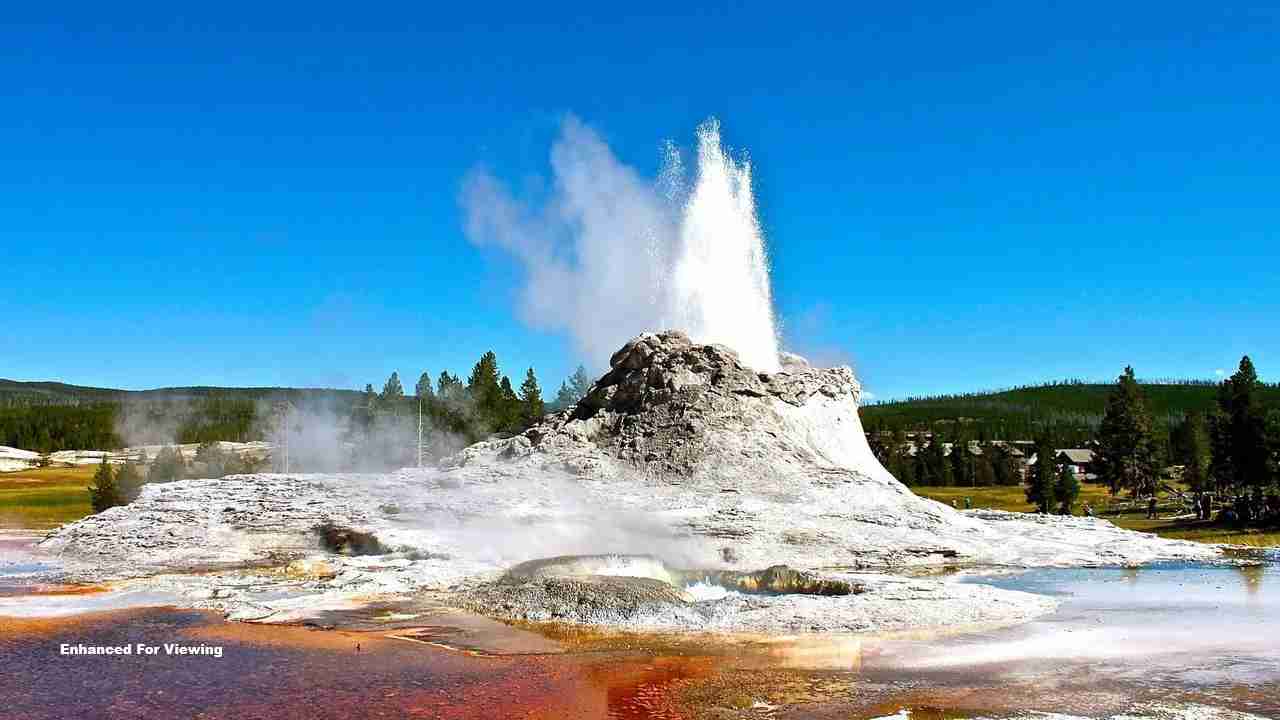
Steamboat Geyser, Yellowstone’s tallest active geyser, entered a quiet phase in late 2025 after a record burst of activity from 2018–2024. Only two major eruptions have occurred in 2025, marking a clear slowdown experts are watching.
- Steamboat Geyser has drastically reduced major eruptions in 2025 after record activity from 2018–2024.
- Last major eruption: April 14, 2025 — then more than 230 days without a major blast into late 2025.
- Possible causes: mineral deposition, shifts in subsurface heat, or changing groundwater pathways.
- Monitoring: NPS, USGS and independent trackers continue close observation and logging.
Key information
What: Steamboat Geyser, the planet’s tallest active geyser, has slowed after years of frequent eruptions (National Park Service).
Where: Norris Geyser Basin, Yellowstone National Park (National Park Service).
Current status: Last major eruption recorded April 14, 2025; more than 230 days without a major blast as of late 2025 (reports tracked by The River 97.9, Cowboy State Daily, and GeyserTimes).
Trend: Two major eruptions in 2025, after a peak period beginning in 2018. Monitoring summaries are also available via the USGS Yellowstone pages.
Steamboat’s history: a pattern of surprises
Erratic timing. Steamboat has long defied easy explanation: major eruptions can exceed 300 feet (91 meters) and the intervals between blasts can vary from days to decades. The National Park Service highlights both the geyser’s height and its unpredictability.
Historic gaps are notable: there were no recorded major eruptions from 1911 until 1961 — a 50-year quiet — after which activity resumed, possibly influenced by the 1959 Hebgen Lake earthquake, though direct causation isn’t proven (NPS).
The modern surge began March 15, 2018, ending a three-year dormancy. That reactivation produced an intense run: 32 majors in 2018, then record years of 48 eruptions in 2019 and 2020, followed by a steady decline through 2025 (The River 97.9, Cowboy State Daily, NPS).
Recent activity: what changed in 2025
Marked reduction. After the intense 2018–2020 run, 2025 produced just two major eruptions. The last major event, on April 14, 2025, reached about 300 feet and was followed by extended steam emissions but no further major blasts for more than 230 days into late 2025 (The River 97.9, Cowboy State Daily, GeyserTimes).
Minor eruptions and steam events continue, but experts note these have not progressed into major events as they sometimes did during the 2018–2020 surge (The River 97.9).
Why the slowdown? Experts look for answers
Multiple hypotheses. Yellowstone Volcano Observatory researchers, including Mike Poland, list several plausible causes without a single definitive explanation: mineral deposition clogging vents, subtle shifts in subsurface heat flow, or changes in groundwater pathways feeding the geyser (Cowboy State Daily, The River 97.9).
“Geysers in Yellowstone go through active and quiet phases,” Mike Poland has explained, noting that shifts can occur with little warning and without a clear external trigger (Cowboy State Daily).
Observers caution that long pauses have preceded sudden returns in Steamboat’s history — the 50-year gap before 1961 is the clearest example (NPS).
Eruption characteristics: what makes Steamboat unique
When active, Steamboat’s major eruptions can last from a few minutes to over 40 minutes for the water phase and then produce hours to days of powerful steam. The sustained steam can be heard a mile away and may flood nearby boardwalks — a dramatic contrast to more predictable features like Old Faithful (NPS).
Steamboat sits in Norris Geyser Basin, a restless area where new vents, boiling pools and explosive events can emerge, complicating forecasting of any single feature (NPS).
Sources and monitoring
Park scientists, USGS observers and independent geyser trackers maintain logs and monitoring pages. Key resources include the NPS Steamboat page, GeyserTimes eruption logs, the USGS Yellowstone monitoring pages, and recent reporting on the 2025 slowdown (The River 97.9, Cowboy State Daily, Outside Online).
Implications for California
Economic and tourism effects: Californians are frequent Yellowstone visitors. A prolonged quiet spell at a high-profile attraction may shift some itineraries and tour emphasis, though Yellowstone remains a major draw (NPS).
Safety and park management: Quiet does not equal safe to ignore: Norris Basin remains hydrothermally active. Park boardwalk and warning signs remain essential protections for all visitors (NPS).
Scientific and industry interest: California universities, research centers and the geothermal industry may find lessons in Steamboat’s slowdown — from mineral clogging to reservoir dynamics — that inform modeling and fieldwork (The River 97.9, USGS).
Cultural and community interest: The story of Steamboat — boom, quiet and close monitoring — resonates with Californians who follow public-land stewardship, safety and science-based management.
What to watch next
Scientists continue monitoring steam, temperature and ground signals. For real-time logs and updates, follow GeyserTimes, the USGS Yellowstone pages, and the NPS Steamboat page. Recent reporting on the 2025 slowdown is available via The River 97.9, Cowboy State Daily, and Outside Online.
Conclusion
Steamboat’s slowdown underscores the inherent unpredictability of Yellowstone hydrothermal systems. Whether this lull presages a long silence or a sudden return to vigor, the geyser remains an active, closely watched feature of Norris Geyser Basin — observed by park scientists, USGS teams and independent trackers alike.