
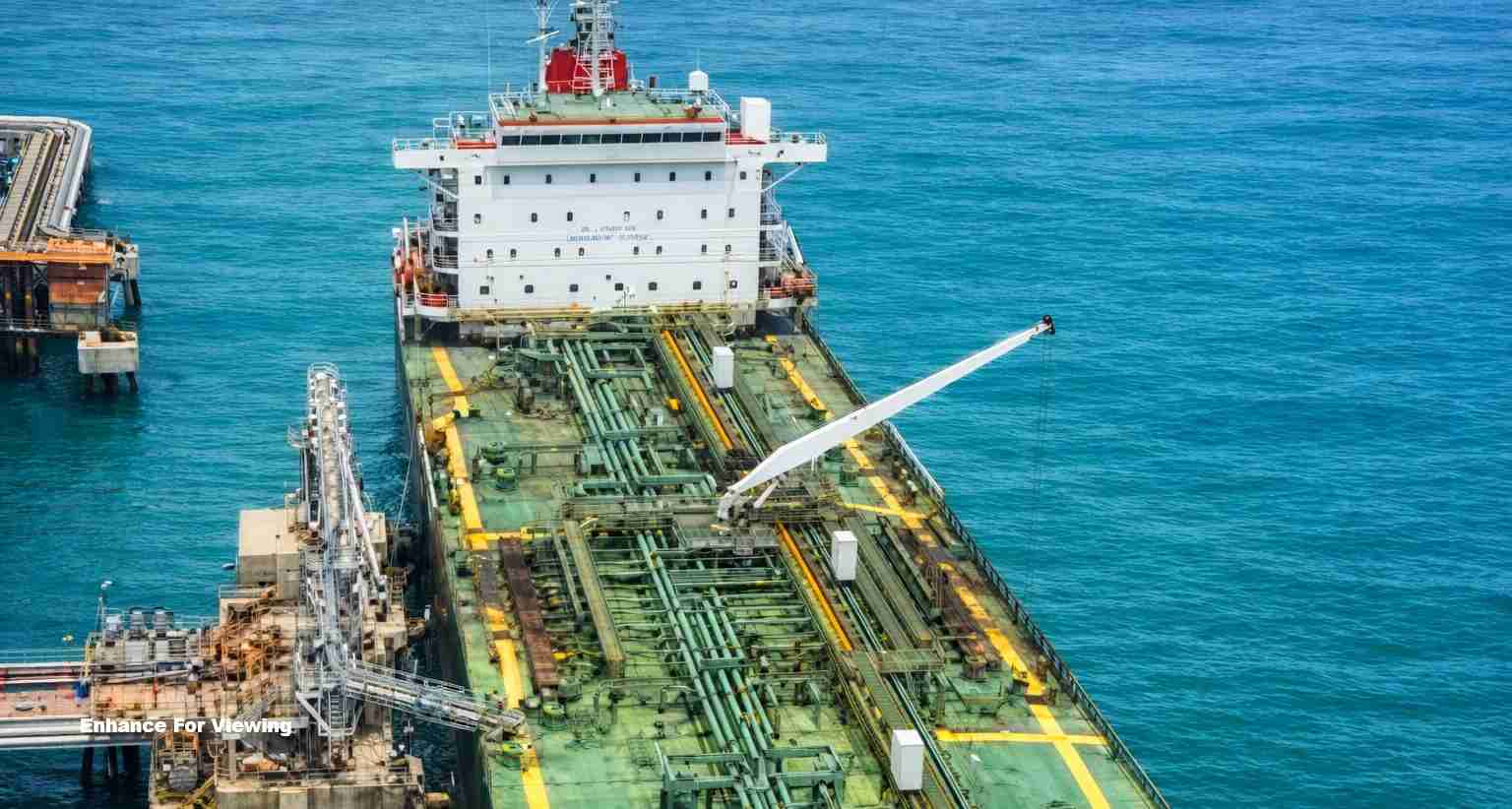
Trump orders blockade of sanctioned Venezuelan oil tankers, designates Maduro regime a foreign terrorist organization
President Donald Trump on Dec. 16, 2025, ordered a blockade of all sanctioned Venezuelan oil tankers and declared Nicolás Maduro’s regime a foreign terrorist organization, intensifying U.S. pressure amid a Caribbean military buildup and recent tanker seizures.
- Blockade ordered: A total blockade of all sanctioned oil tankers to and from Venezuela, intended to cut off fuel revenue to the Maduro government — see ABC News video report and Politico coverage.
- FTO designation: The administration labeled the Maduro regime a foreign terrorist organization, widening sanctions and enforcement options.
- Related actions: Separate designations included Colombia’s Clan del Golfo and the prior listing of Cartel de los Soles on Nov. 24, 2025 — see the Defense Department commentary and the State Department release.
What the president ordered
The White House announced a naval and maritime blockade that will prevent sanctioned Venezuelan tankers from entering or leaving the country. Officials say the measure is designed to choke revenue streams the administration alleges the Maduro government uses for trafficking, terrorism and other criminal activity.
The action follows the seizure of an oil tanker off Venezuela earlier in December and a U.S. military buildup in the Caribbean. See the ABC News video report and Politico coverage for the announcement and scope.
“We will keep up pressure until Maduro cries uncle,” White House Chief of Staff Susie Wiles said, according to reporting.
Legal tools and what an FTO label means
Designating a state-linked actor as a foreign terrorist organization (FTO) unlocks broader U.S. legal authorities: expanded sanctions, prohibitions on material support, and more aggressive financial penalties. Officials argue prior moves — such as the Nov. 24, 2025 listing of Cartel de los Soles — helped pave the way; see the State Department release.
Critics warn that applying an FTO label to a state actor raises complex international-law questions and risks escalation or retaliation. Defense and national security officials say the label provides “new options” to target criminal networks tied to the Venezuelan state — see the Defense Department commentary.
Military posture and enforcement
The blockade announcement came amid an increased U.S. military presence in the Caribbean. Officials point to recent seizures and strikes against suspected trafficking vessels as part of a campaign to disrupt revenue and logistics feeding the Maduro government.
Officials stress that any U.S. ground operation in Venezuela would be an act of war requiring congressional approval; the White House has not announced plans to deploy troops on Venezuelan soil and frames the blockade as a non-kinetic coercive measure.
Domestic political reactions
Reactions in Washington were mixed. Some Republicans backed the tougher stance; others — including Sen. Josh Hawley (R-Mo.) — warned about open-ended intervention. “I’m not a supporter of regime change forced by the United States,” Hawley said, according to reporting.
Administration officials defend the move as lawful and necessary, citing tanker seizures and cartel designations. Legal scholars and foreign-policy experts caution about the precedent of labeling a government-linked actor an FTO.
International and Venezuelan response
U.S. officials warned Venezuela may retaliate after the terror designation. Venezuelan state media and officials had not issued fully detailed responses in initial reporting; regional leaders and international partners are closely monitoring developments.
The blockade and FTO designation could complicate relations with allies, many of whom have been wary of direct U.S. military action or unilateral coercive measures. See a Politico analysis for international context.
What remains unclear
Reporting documents the administration’s claims and steps, but key allegations — including references to “stolen U.S. oil fields” — lack independent public verification. The precise evidence used to justify the FTO label has not been fully released. See reporting from ABC News and Politico.
Related official releases and reporting
- ABC News video reporting on the president’s announcement
- Politico analysis and reporting on the blockade and its context
- Defense Department commentary on designations and options
- State Department release on the prior designation of Cartel de los Soles
- Video clip of the president’s public remarks
Implications for California
Economic impact
California is a large consumer of fuel and a major shipping hub. A U.S. blockade and tighter enforcement of oil sanctions could raise global oil and shipping costs, which typically affect California pump prices and business transportation costs.
Ports, shipping and insurers
The Port of Los Angeles and the Port of Long Beach handle a significant share of U.S.-bound maritime cargo. A wider U.S. naval presence and stricter maritime enforcement may re-route tanker traffic, affect schedules, and raise insurance and freight rates.
Political and social consequences
California leaders — from progressives to moderates — will debate confronting criminalized regimes versus avoiding open-ended commitments. Conservative audiences may focus on legal authority, fiscal cost, and clear exit plans to limit long-term exposure.
Humanitarian and community effects
California’s sizable Venezuelan and Latino communities monitor these developments closely. A blockade or escalation could increase migration pressures, prompting calls for humanitarian aid, resettlement support, and local planning for arrivals.
Energy policy and markets
For policymakers focused on energy security, the blockade highlights vulnerability to international supply shocks. Officials may accelerate diversification of supplies, storage expansion, and resilience measures to buffer consumers against price spikes.
Practical implications for residents
- Expect possible short-term gas price increases if the blockade tightens global supplies — see ABC News.
- Businesses dependent on maritime imports may face longer lead times and higher transport costs — see Politico.
- Community groups may see more requests for aid and legal support from Venezuelan migrants — see related video reporting clips.
Reporting and verification
Primary coverage comes from ABC News and Politico, supported by official U.S. statements and defense commentary. Readers should note that key claims — including allegations about “stolen U.S. oil fields” — are not independently verified in those reports.
Reporting sources
- ABC News: video and reporting on the blockade and FTO designation
- Politico: coverage of the announcement, context and domestic reactions
- U.S. Department of Defense commentary on the use of terrorist designations
- State Department release on the Cartel de los Soles designation
- Video of presidential remarks and related clips



