Lawmakers Signal First Real Movement in 2025 US Government Shutdown, Raising Hopes of an “End of the Beginning”
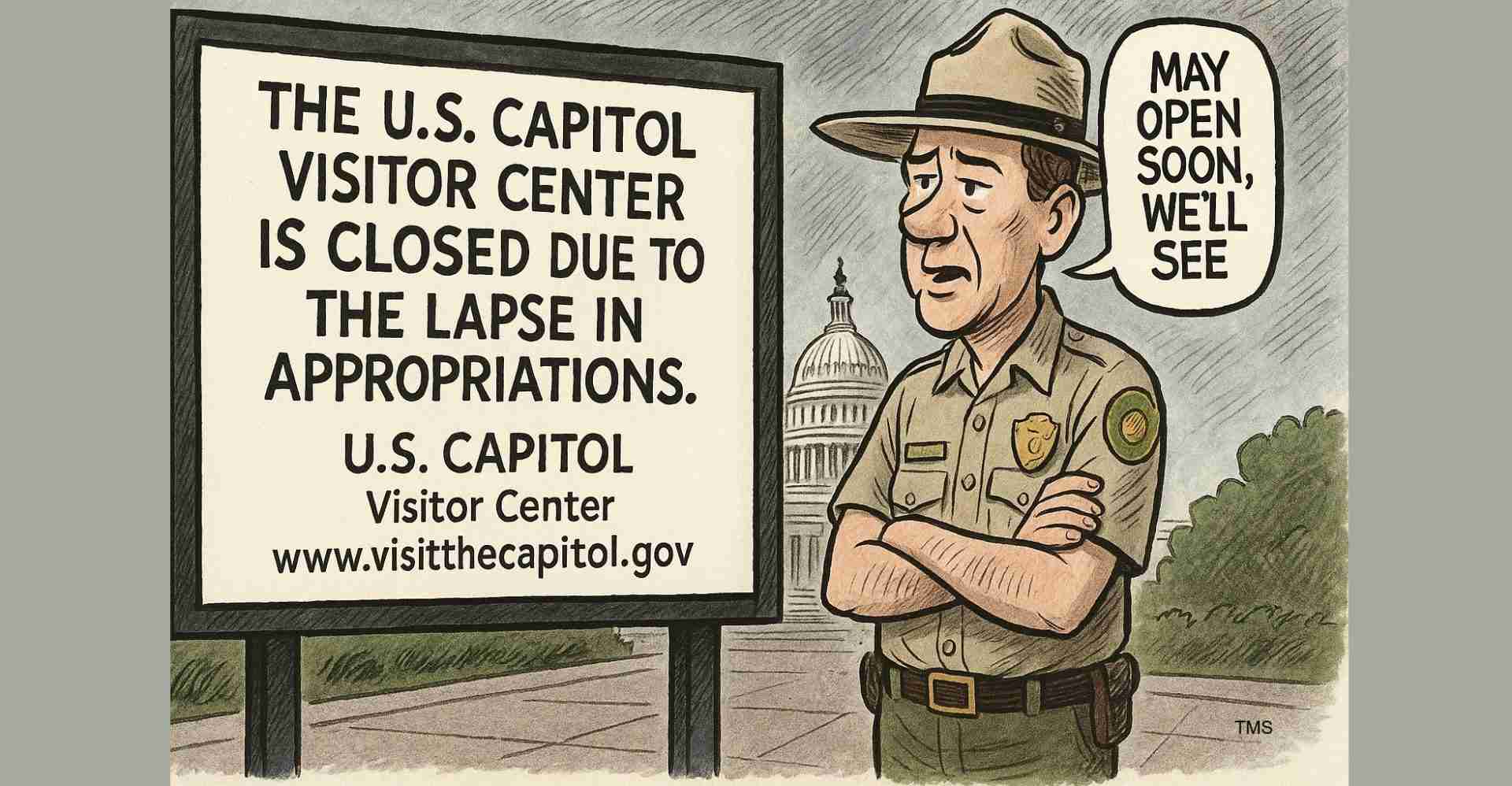
Bipartisan talks show the first real movement toward ending the 38-day 2025 U.S. federal government shutdown, sparked by a fight over ACA premium subsidies and health funding that has furloughed hundreds of thousands and disrupted services nationwide.
Key takeaways
- First bipartisan momentum: Moderate senators are advancing private talks seen as a possible “end of the beginning.”
- Human toll: About 900,000 federal employees furloughed and roughly 2 million working without pay.
- Central dispute: The impasse centers on renewing ACA premium subsidies and broader health-care funding.
- Immediate goal: Negotiators aim for a short-term funding measure to restore pay and buy time for larger talks.
Main content
Key information
Shutdown start: October 1, 2025 (Wikipedia summary of the 2025 shutdown).
Central dispute: Renewal of Affordable Care Act (ACA) premium subsidies and broader health-care funding (Wikipedia summary of the 2025 shutdown).
Workers affected: About 900,000 federal employees furloughed and roughly 2 million working without pay (Wikipedia summary of the 2025 shutdown).
Services impacted: Agencies such as the National Institutes of Health and the Centers for Disease Control and Prevention have cut back nonessential work, while Defense and TSA continue to operate (Wikipedia summary of the 2025 shutdown; ABC News wire reporting).
What led to the stalemate
The shutdown began when Congress failed to pass spending measures for fiscal year 2026. The sticking point: whether to renew ACA premium subsidies that lower insurance costs for millions. House Republicans advanced continuing resolutions excluding those subsidies; Senate Democrats demanded short-term funding that protects them (Wikipedia summary; Brookings background on shutdowns).
The Senate’s 60-vote threshold prevented many House-passed measures from advancing, deepening the deadlock (Wikipedia summary).
Economic and social impacts
The economic and human costs are mounting: roughly 900,000 furloughed federal workers and about 2 million working without pay, affecting paychecks, benefits and household budgets (Wikipedia summary).
Public-health and research functions have slowed as NIH and CDC reduce nonessential work, jeopardizing disease surveillance, testing and ongoing studies (Wikipedia summary; ABC News wire reporting).
Food and heating assistance programs such as SNAP face funding stress with winter approaching, increasing pressure on state and local budgets to fill gaps (ABC News wire reporting).
Federal contractors, aviation and lab services are also strained, contributing to reported flight delays and service disruptions (ABC News wire reporting).
Political dynamics and negotiations
For the first time since October 1, broader bipartisan talks are accelerating. Moderates from both parties have held private discussions aimed at a temporary funding deal to buy time for resolving ACA subsidy differences. Negotiators have described the moment as possibly the
“end of the beginning”
of the standoff (ABC News wire reporting).
Republican leaders defended passing short-term continuing resolutions without subsidy language and blamed Democrats for blocking quick funding. Democrats said excluding subsidies would raise premiums and worsen coverage gaps (Wikipedia summary; Rep. Stanton briefing).
Internal pressures — House hard-liners versus moderate Republicans, and progressives urging Democrats to hold the line — complicate a clean compromise (ABC News wire reporting).
The role of upcoming elections
Off-year contests, including the New York City mayoral race and several gubernatorial contests, could reshape bargaining power. Negotiators say a short-term extension is the immediate target, pushing the most contentious health-care disputes into subsequent negotiations (ABC News wire reporting).
Public pressure and notable incidents
Voter frustration is rising over missed paychecks and disrupted services across conservative, moderate and liberal districts. Social-media escalation by high-profile figures has intensified partisan rhetoric and complicated legislative compromise (Wikipedia summary).
What lawmakers are discussing now
Negotiators are focused on short-term extensions to restore pay and prevent immediate cuts to critical programs. The likely path: pass a temporary spending measure to reopen parts of the government, then continue talks on ACA subsidies and longer-term appropriations. The White House is tracking impacts on an active shutdown clock that officials cite when setting timelines (White House shutdown clock).
Implications for California
Economic impact: California’s large federal workforce and reliance on federal research and safety-net programs mean lost income for many households and potential state budget pressure if local governments are asked to cover program shortfalls (Wikipedia summary; ABC News wire reporting).
Healthcare and ACA subsidies: Millions of Californians depend on subsidized coverage through ACA marketplaces; any lapse or delay in subsidies could raise premiums, reduce enrollment and increase demand on state safety-net providers (Wikipedia summary; Rep. Stanton briefing).
Research and public health: California’s major research institutions and public-health collaborations with NIH and CDC may face interruptions to clinical trials, surveillance and support — a concern in a state frequently dealing with wildfire smoke and outbreaks (Wikipedia summary).
Transportation and travel: While TSA continues operations, staffing strains and unpaid workers risk delays at major hubs such as LAX, affecting tourism and commerce (ABC News wire reporting).
Political consequences: California leaders are vocal about impacts; voters’ responses in local elections could influence federal delegation strategy and messaging on both fiscal and service concerns (ABC News; Brookings).
Practical effects on daily life
Californians relying on federal services — veterans, students awaiting loan processing, families depending on child nutrition programs — face near-term uncertainty. Small businesses contracting with federal agencies may see delayed payments; state and local governments should plan for service backlogs if a temporary fix is not secured soon (Wikipedia summary).
Sources and further reading
- Wikipedia summary of the 2025 shutdown
- ABC News wire reporting
- Rep. Stanton briefing on the shutdown
- Brookings background on shutdowns
- White House shutdown clock and updates
- Public briefing video
Next steps: Authorities and negotiators warn the coming days and election outcomes could determine whether current momentum yields a temporary funding measure and sets a path to resolve disputes over ACA subsidies and health-care funding — which will dictate how quickly furloughed workers return and how states like California manage short-term fallout.