
Whoop CEO Says Device on Susie Wiles’ Wrist Was Fitness Tracker, Not Security Risk
Whoop CEO Will Ahmed said the wrist device seen on White House Chief of Staff Susie Wiles during monitoring of Operation Epic Fury was a Whoop fitness tracker — he argued it lacked recording or transmission features and posed no security threat.
- Device identified: Whoop founder Will Ahmed said the band visible on Susie Wiles’ wrist was a Whoop fitness tracker, pushing back on speculation of a security breach (Fox Business).
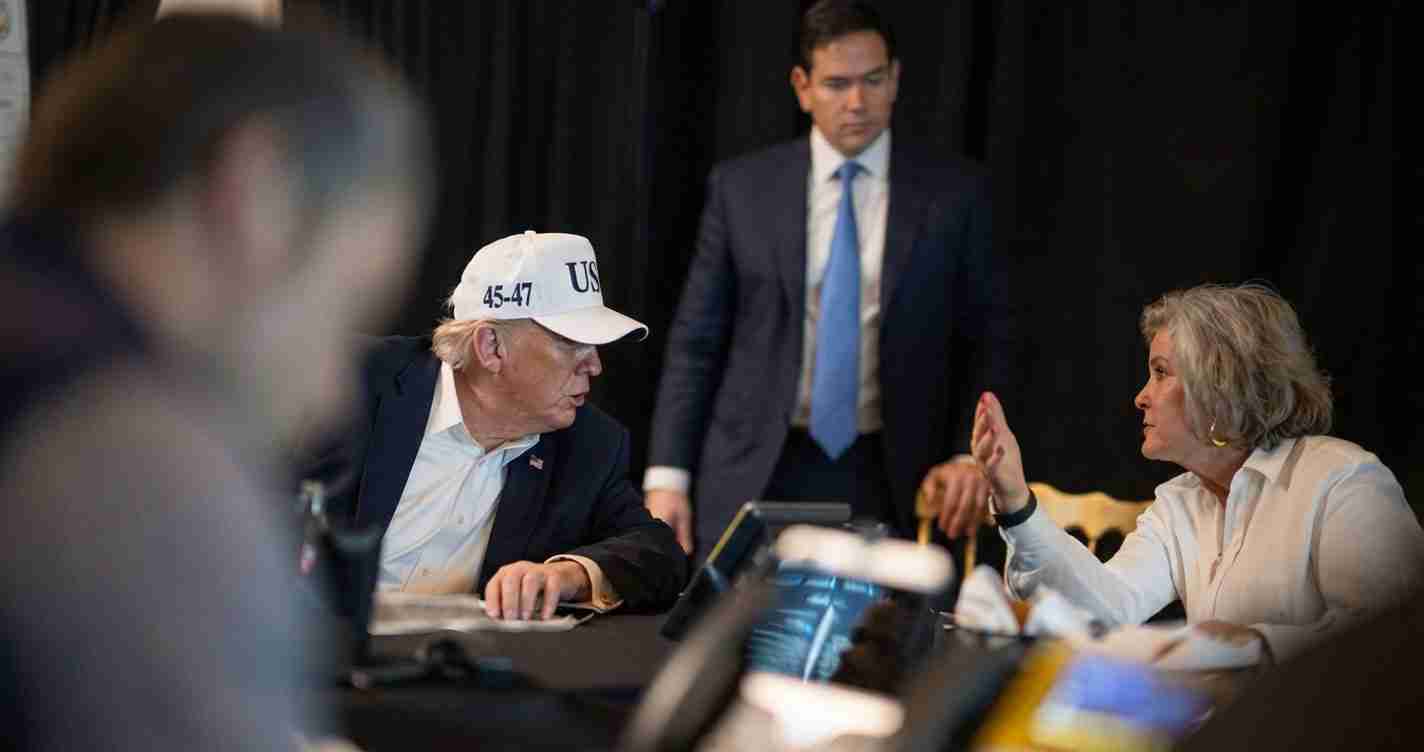
- Context: The photo showed President Trump, Susie Wiles and senior officials monitoring Operation Epic Fury, a Feb. 28, 2026 U.S.–Israeli strike that reportedly killed Ayatollah Ali Khamenei and senior Iranian leaders (The Chosun Ilbo).
- Security claim: Ahmed stated Whoop bands lack microphone, GPS and cellular radios and said the device is NSA-approved, reducing common data-transmission vectors (Fox Business).
- Business note: Whoop is a subscription-based health-tracking company valued around $3.6 billion with sports partnerships and performance-monitoring clients (The Chosun Ilbo).
What happened and why it mattered
A widely circulated White House photograph from the monitoring room taken after Operation Epic Fury showed President Trump, Chief of Staff Susie Wiles and senior aides at a table. Online viewers noticed a wrist device on Wiles and raised questions because smartwatches can record audio, share location, or connect to networks — capabilities that present potential risks in secure settings.
Will Ahmed, who founded Whoop in 2012, responded quickly on X, writing:
“It’s called a whoop.”
He added there was “no story here other than a dead ayatollah and a green recovery,” referencing Whoop’s recovery score system that measures sleep, stress and readiness. Ahmed also suggested Wiles’ biometric signs likely reflected strong recovery after a high-stress operation.
Device details and security claims
Whoop’s design: The company markets a wrist-worn tracker focused on sleep, strain and recovery in a subscription model. Ahmed emphasized the band’s design intentionally excludes a microphone, GPS and cellular radio, which—if accurate—limits common paths for data transmission from secure facilities.
NSA approval: Ahmed said the device is approved by the National Security Agency; reporting so far has relayed that claim without independent public verification. That caveat is important: company statements and published specs can reduce risk vectors, but third-party confirmation of agency approvals has not been produced in the cited reporting.
Social reaction and security protocol context
The episode highlights how a single image can trigger national-security concerns. Security protocols in sensitive environments commonly limit or forbid personal electronics that can transmit data. Smartwatches draw scrutiny because many models include microphones, cameras, GPS and network connectivity; that scrutiny is routine, not necessarily evidence of wrongdoing.
Within hours of the photo circulating, critics and social media users raised alarms about potential cybersecurity implications. Ahmed’s clarification appeared aimed at reassuring the public and security observers that the Whoop band did not present the same risks as a connected smartwatch.
Background on Susie Wiles and unrelated controversies
Susie Wiles, the White House chief of staff, has been a public political figure who drew attention in December 2025 after interviews in which she criticized internal administration policies and personalities. Those earlier controversies are separate from the Whoop device episode and do not substantiate claims of a security breach tied to the tracker (Axios).
Why officials and the public care
This incident underscores a tension between personal health monitoring and national security rules. Officials may benefit from tracking sleep and stress during prolonged operations, yet protective policies aim to limit devices that could record or transmit classified material. Prompt clarification—such as Ahmed’s public identification of the band—helps defuse immediate concerns and focus attention on policy and compliance.
Implications for California
Economic: California, home to many wearable-tech firms and cybersecurity companies, could see effects if agencies tighten rules about personal health trackers; compliance and certification costs could rise for makers of wearable devices.
Political: The episode may prompt lawmakers and officials to press for clear, enforced device policies for staff and contractors, including documentation of device capabilities and certifications.
Social and cultural: With many Californians using fitness trackers, public debate about privacy and data safety can influence consumer trust and adoption. Silicon Valley’s innovation culture may confront stricter privacy expectations when devices are used in sensitive contexts.
Practical: Hospitals, emergency operations centers and firms that supply devices to government or defense contractors may review policies and procurement standards to document whether devices include microphones, GPS or cellular functionality and to secure necessary approvals.
Sources and further reading
- Fox Business: “It’s called Whoop: CEO pushes back on security violation claims after viral photo”
- The Chosun Ilbo: coverage of the photo and Ahmed’s posts
- Axios: background on Susie Wiles’ December 2025 interviews
- Vanity Fair interview excerpts (YouTube) and Fox News coverage of the Vanity Fair piece
Journalistic note: Ahmed’s statements reflect the company’s position and the device specifications he cited. Independent public verification of the NSA “approval” claim has not appeared in reporting to date. Readers can consult the cited reporting for the original coverage.



