
Trump administration asks judge to toss last‑minute bid to block UFC White House fight as South Lawn showdown moves forward
Lede: A lawsuit seeks to stop “UFC Freedom 250” from happening on the White House South Lawn June 14, alleging improper commercial use of parkland and conflicts of interest; the Trump administration says the bid is untimely and should be dismissed.
- Event: UFC Freedom 250 is planned for June 14 on the White House South Lawn during President Trump’s birthday and U.S. 250th events, cited by ESPN, CBS News, and TIME.
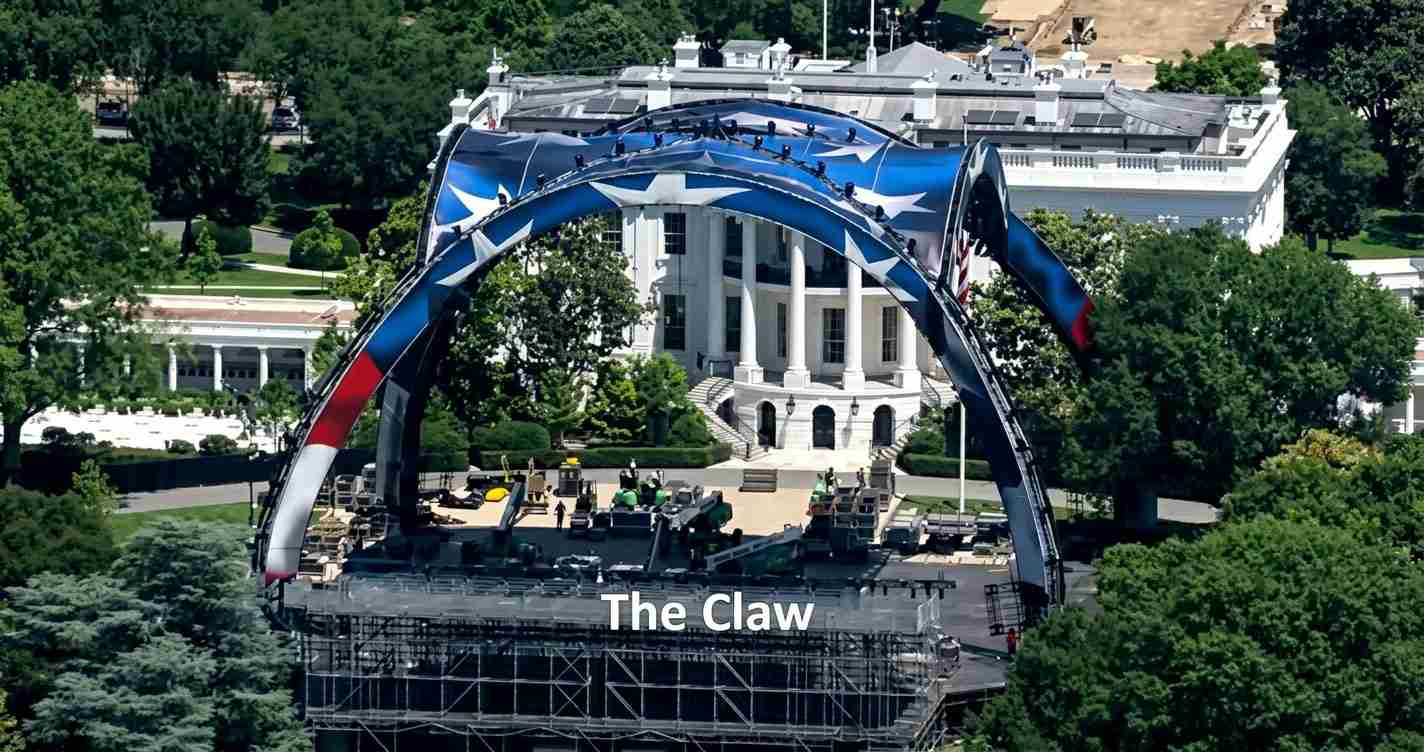
- Lawsuit: Filed by the Public Integrity Project seeking an emergency injunction to stop the fight, weigh‑ins and the large steel arch nicknamed “the claw” (ESPN, CBS News).
- Defendants & response: The suit names the National Park Service and Department of the Interior; DOJ called the filing “obstructionist, baseless, and dilatory” and urged rejection (CBS News, ESPN).
Background and procedural posture
The dispute arrived days before the scheduled event. Plaintiffs filed an emergency injunction on Saturday in federal court in Washington, D.C., naming the Interior Department and the National Park Service as defendants. Reports indicate tight briefing deadlines — plaintiffs were ordered to file a final brief by 9 p.m. Wednesday — and a decision could come this week. References to U.S. District Judge Amit P. Mehta have circulated in reporting consistent with a D.C. filing, though not independently confirmed in all accounts (ESPN, CBS News).
Event details and build‑out
The UFC describes the card as a major spectacle intended to honor the nation’s semiquincentennial. Reported main event: Justin Gaethje vs. Ilia Topuria, per TIME. UFC teams have made repeated planning visits and assembled a large temporary setup on the South Lawn — seating for thousands, an ~87‑foot canopy and lighting structure over the Octagon, and a roughly 90‑foot steel arch nicknamed “the claw”, visible in reports and photos and central to the legal dispute (TIME, ESPN).
What plaintiffs allege: rules, NEPA and conflicts of interest
The complaint contends the White House event is an improper private, for‑profit sporting use of federal parkland. Plaintiffs argue National Park Service regulations prohibit such sporting events on park properties and say the semiquincentennial exemption does not apply. They further assert that construction of the claw and temporary stadium required congressional authorization and should have undergone review under the National Environmental Policy Act (NEPA) (ESPN, CBS News).
The suit frames the event as a commercial use of national monuments and raises conflict‑of‑interest concerns. It points to President Trump’s friendship with UFC CEO Dana White and reports that the president purchased stock in TKO Group Holdings, UFC’s parent, earlier this year — facts plaintiffs say create a risk of private gain. The complaint calls the plan “deeply corrupt” and asserts organizers granted “unfettered access” to national sites for private profit (CBS News; video reporting YouTube).
Administration and UFC rebuttals
DOJ and White House: In filings and public comments the government urged the court to reject the emergency request as untimely and disruptive. DOJ described the suit as “obstructionist, baseless, and dilatory,” arguing more than $60 million has been spent preparing the event, attendees have booked travel, and fighters are in the final stages of weight cuts. The filings argue two private citizens should not be allowed to use last‑minute litigation to stop a national celebration (CBS News, ESPN).
UFC and Dana White: The organization has characterized the event as largely about spectacle and brand rather than short‑term profit. TIME reported UFC expects to absorb losses and will cover any South Lawn damage; Dana White publicly promoted the event and called the deal done after meeting the president (TIME).
Legal issues and likely hurdles for plaintiffs
Legal experts note plaintiffs face a steep climb to obtain an injunction on short notice. Courts generally require clear proof of irreparable harm, and judges may be reluctant to disrupt a large, scheduled public event days before it starts. The government is expected to argue lack of standing — that plaintiffs have not shown a specific personal injury — and any injunction would likely prompt rapid appeals to higher courts (ESPN; legal commentary; YouTube reporting).
Implications for California
Economic: If the event proceeds, national headlines and broadcast viewers could boost California businesses selling sports media, advertising and UFC merchandise. Companies that advertise on UFC broadcasts or make sports gear may see increased exposure. Conversely, a last‑minute block could force canceled ad buys and lost revenue for broadcasters and sponsors, some based in California (CBS News, TIME).
Political & cultural: For moderate‑conservative audiences in California the dispute reinforces familiar narratives: supporters may see the administration defending celebrations and contracts; critics point to conflicts of interest and blurred lines between public office and private gain. The event also raises questions about using national symbols for entertainment — a debate Californians have seen in other contexts like stadium naming and public funding (CBS News, TIME, ESPN).
Practical: Californians tied to sports, broadcasting or tourism sectors should watch court timing closely. A last‑minute injunction would ripple through media scheduling and advertising buys, while a ruling favoring the administration could make approvals for special uses of federal grounds easier in the future.
Notable quote
“The complaint calls the plan ‘deeply corrupt’ and says organizers granted ‘unfettered access’ to national sites for private profit,” — plaintiffs’ filing as reported by CBS News.



