VVTA unveils 13 hydrogen buses, interim fueling station and new brand in Hesperia push for zero-emission transit
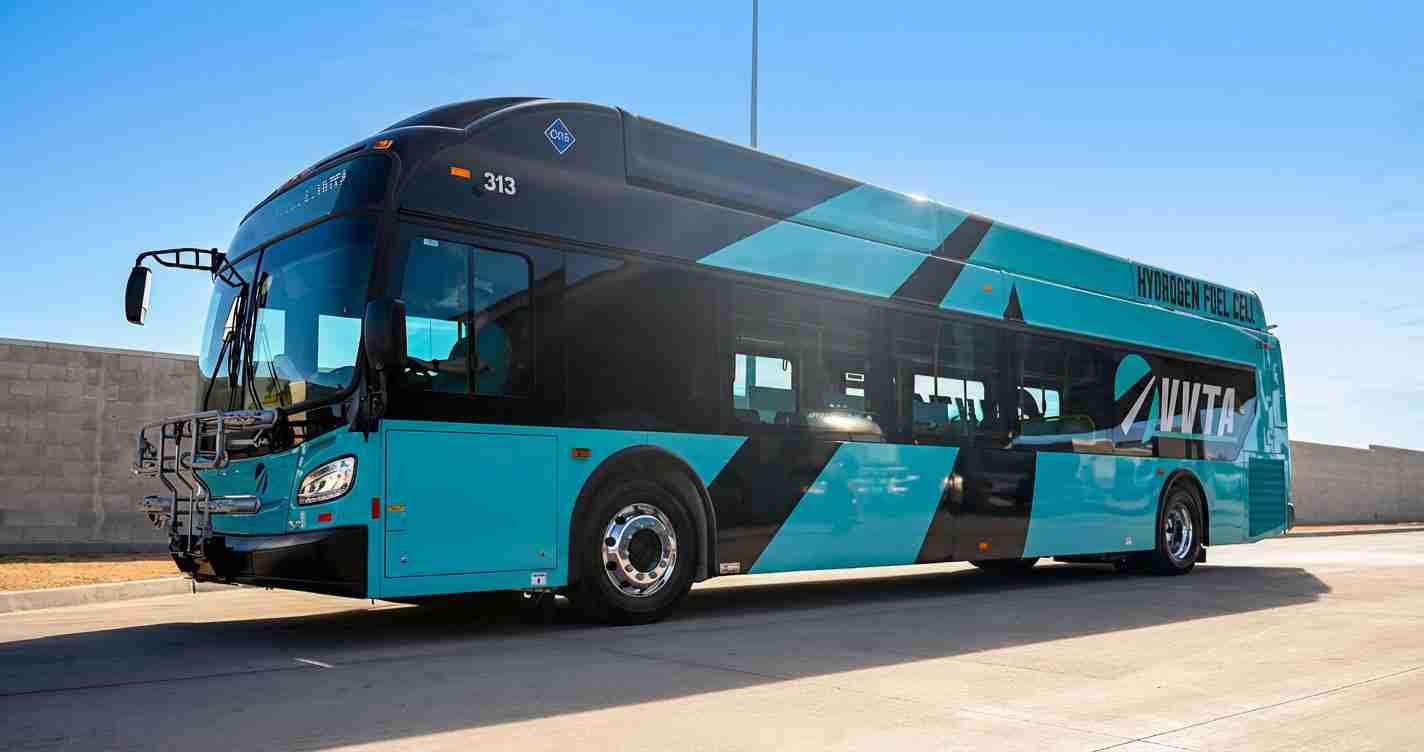
On January 14, 2026, Victor Valley Transit Authority unveiled 13 hydrogen fuel cell buses, an interim hydrogen fueling station and a refreshed “VVTA” brand in Hesperia, marking a major step toward zero-emission transit across the High Desert.
- 13 hydrogen fuel cell buses introduced that emit only water at the tailpipe, supported by an interim fueling station (VVTA press release).
- Mixed-technology strategy: hydrogen complements existing renewable natural gas and battery-electric vehicles for long desert routes (VVTA on battery-electric service).
- Funding and industry partners: project backed by federal, state and local agencies with vendors including New Flyer, Ballard and Linde (Ballard blog).
- Brand refresh: agency simplified its visual identity to “VVTA” to reflect technology investments and growth (local and industry coverage: VVNG, Busline).
Key information
Event: Ribbon-cutting and public unveiling in Hesperia, Jan. 14, 2026. Sources include VVTA press release, Victor Valley News Group, and Busline.
Fleet: 13 hydrogen fuel cell buses that emit only water at the tailpipe, per VVTA materials (VVTA press release).
Infrastructure: An interim hydrogen fueling station will service the new buses while longer-term fueling is developed (local and industry sources: VVNG, Busline).
Funding and partners: Supported by the Federal Transit Administration, San Bernardino County Transportation Authority (SBCTA), CalACT, the California Air Resources Board (CARB), GO-Biz and local partners; industry partners include New Flyer, Linde, ZeroMission, Ballard, GMV Syncromatics and Keolis North America (VVTA; Ballard blog).
What was unveiled and who attended
VVTA staged a ribbon-cutting ceremony in Hesperia to reveal the 13 hydrogen fuel cell buses, the interim hydrogen fueling station and the refreshed “VVTA” brand. Attendees included local and regional officials, state leaders, industry partners and members of the Greater High Desert Chamber of Commerce (VVTA; VVNG; Busline).
James Noble, chair of the VVTA board: “This is an exciting and important day for our agency and our region… It reflects VVTA’s commitment to innovation and our role as a regional leader in moving the High Desert toward a cleaner, more connected future.”
Nancie Goff, VVTA CEO: “This is more than new buses or a fueling station… By introducing 13 hydrogen fuel cell buses and an interim fueling station, VVTA is advancing zero-emission transit, cleaner air, and a more sustainable future.”
Dustin Strandberg, Chief Maintenance Officer: the transition “aligns with our operational needs, our desert environment, and our long-term vision.”
Technology and operational rationale
How the buses work: Hydrogen fuel cell buses generate electricity on board by combining hydrogen and oxygen, producing only water vapor at the tailpipe. VVTA emphasized hydrogen’s suitability for the region because desert heat and long route lengths can limit battery-only range (VVTA; Busline).
Interim fueling station: Enables VVTA to begin regular hydrogen service while permanent fueling infrastructure is planned. Key industry partners include New Flyer (bus builder), Ballard (fuel cell systems) and Linde (fueling systems), supported by fleet management and operations vendors (Ballard blog; VVTA).
Funding, partnerships and accountability
Funding mix: The rollout was supported by federal, state and regional funding partners including the Federal Transit Administration, San Bernardino County Transportation Authority (SBCTA), CalACT, the California Air Resources Board (CARB) and GO-Biz, alongside local partners (VVTA).
Accountability: Officials noted they will continue public reporting on spending and performance through regular channels; however, detailed per-bus costs were not released at the ceremony. For taxpayers and riders, cost, reliability and oversight remain key questions.
Branding and rider experience
VVTA unveiled a refreshed visual identity—simplifying its name and logo to “VVTA”—to reflect technological investment and agency growth. The rebrand was led by VVTA marketing staff and leadership as part of broader modernization efforts (VVNG; Busline).
Rider impacts: Officials said riders can expect quieter rides, faster refueling compared with some battery-electric options, and the same fare structure and routes as the buses enter service. VVTA’s history with renewable natural gas and battery-electric buses (including service in Barstow) frames hydrogen as part of a mixed-technology approach (VVTA on Barstow electric buses).
Questions to watch — costs, fuel sourcing and scale
Key investigative and oversight questions include:
- Fuel sourcing: The climate benefits depend on whether hydrogen is produced from low-carbon sources; lifecycle emissions matter. CARB participation suggests alignment with state low-carbon fuel goals (VVTA).
- Infrastructure scale: Long-term fueling access across the High Desert and costs of building permanent stations remain open issues.
- Workforce and operations: Training for fuel cell maintenance and the operational economics of hydrogen versus battery or renewable natural gas will be central to success; VVTA highlighted readiness and training plans with industry partners (Ballard blog).
Implications for California
Economic impact
The rollout is likely to create local construction and maintenance jobs tied to fueling infrastructure and bus operations, with federal, state and regional funding spreading costs across partners. Monitoring lifecycle cost and procurement transparency will be important to ensure value for taxpayers (VVTA).
Political consequences
The project aligns with California’s policies for cleaner transit; CARB involvement signals state-level support for low- or zero-emission fleet transitions. Regional governance (e.g., SBCTA partnerships) means county and city officials will influence future expansion and oversight.
Social effects
Hydrogen buses emit only water at the tailpipe, which can reduce local particulate pollution on busy High Desert routes—benefitting communities with respiratory vulnerabilities. Reliable, affordable service will determine whether benefits reach transit-dependent residents.
Cultural relevance
The High Desert’s long distances and hot conditions favor practical solutions; VVTA presents hydrogen as better suited than battery-only options for some routes. The rebrand to “VVTA” aims to project modern public-agency competence and build public confidence.
Practical applications for daily life
Rider experience: Expect quieter buses, minimal tailpipe emissions and the same routes and fares during rollout. The interim fueling station will keep the new fleet operating while larger infrastructure develops.
Service reliability: For commuters traveling long desert distances, hydrogen buses may offer a useful balance of range and refueling speed compared with battery-only buses; VVTA’s mixed-technology approach aims to match vehicle type to route needs (VVTA).
Where to find more information
Official project details and updates are posted on the VVTA press release and the VVTA website. Local coverage is available from Victor Valley News Group. Industry reporting and technical context appear at Busline and the Ballard blog.
Reporting based on VVTA materials and local and industry coverage (VVTA press release; VVNG; Busline; VVTA; VVTA battery-electric page; Ballard blog).