TSA to Charge $45 ID‑Verification Fee Feb. 1 — What California Travelers Need to Know
Starting Feb. 1, 2026, TSA will charge a $45 identity‑verification fee for domestic travelers 18 and older who lack a REAL ID, passport, or other approved ID; payment funds TSA ConfirmID but does not guarantee successful verification.
- Who: Travelers 18+ without an acceptable ID may be charged $45 to use TSA ConfirmID.
- Payment: Pre‑pay via the TSA ConfirmID payment portal; receipts valid 10 days from the travel start date.
- Limitations: Paying does not guarantee verification or entry to the secure area; fee is non‑reimbursable for many DoD official travelers.
Key information
Effective Feb. 1, 2026, travelers aged 18 and older who arrive at security without a REAL ID, passport, or another TSA‑approved ID may be charged a $45 identity‑verification fee to begin TSA’s manual verification process. The fee is intended to cover staffing and the digital systems used in the check process; payment does not guarantee successful identity verification or entry to the secure area. For the agency announcement and background, see the TSA announcement and background on the identity verification fee.
How the program works: TSA ConfirmID and the $45 charge
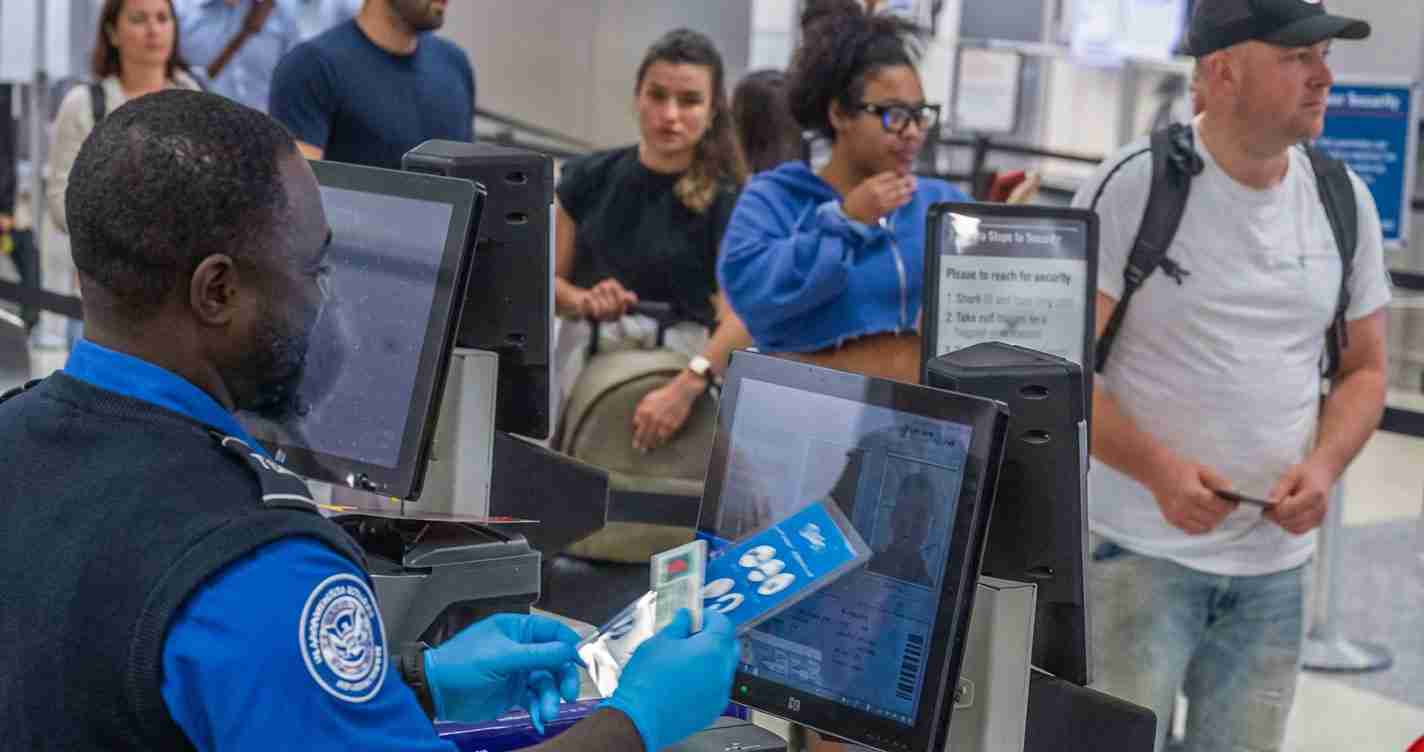
TSA is expanding TSA ConfirmID as it moves toward full enforcement of the national REAL ID rules. Travelers without acceptable ID at a checkpoint will be offered a manual identity check that can be started on the spot or accelerated by pre‑paying through the TSA ConfirmID portal. Pre‑payment can speed processing but does not guarantee verification.
TSA ConfirmID cost and payment details
Online payments are processed through the government payment portal. Travelers must enter a travel start date at payment; receipts are valid for 10 days from that date. If travel is delayed beyond the 10‑day window, a new payment is required. Accepted payment methods include ACH (bank account), debit and credit cards, Venmo, and PayPal. Details are available on the TSA ConfirmID payment portal.
What counts as acceptable IDs for flying
To avoid the $45 fee, present one of TSA’s accepted forms of identification. Common acceptable IDs include:
- REAL ID‑compliant state driver’s license or ID card (California REAL IDs display a gold bear and star in the upper right corner).
- U.S. passport or passport card.
- U.S. Department of Defense IDs, including military dependent IDs and CACs.
- DHS Trusted Traveler cards (Global Entry, NEXUS, SENTRI, FAST).
- State‑issued Enhanced Driver’s Licenses.
Note: Children under 18 on domestic flights typically do not need to show ID, though accompanying adults must.
Important limitations and what travelers should watch for
- No guarantee: Payment for TSA ConfirmID does not guarantee passage — failure to verify identity can still result in denial of access.
- Non‑reimbursable for many DoD travelers: The fee is not reimbursable for Department of Defense members and civilians on official travel; review employer policies.
- Time window: Receipts are valid only 10 days from the travel start date entered at payment.
- Optional but risky: Using TSA ConfirmID is optional; declining verification with no acceptable ID risks missing your flight.
How Californians can avoid paying the fee
- Check your driver’s license: Look for the gold bear and star — if absent, the card is not REAL ID‑compliant. See the California DMV REAL ID information for requirements.
- Carry alternate acceptable ID: A U.S. passport, DHS Trusted Traveler card, or Enhanced Driver’s License will substitute for a REAL ID.
- Apply for REAL ID if you fly frequently: Getting REAL ID in advance can save time and money at the checkpoint.
- If traveling without ID: Pre‑pay through TSA ConfirmID and keep a printed or electronic receipt, but be prepared that verification could still fail.
Questions raised by the rollout — an investigative look
Is $45 an accurate cost‑recovery number? Critics may question whether the fee reflects actual marginal costs, whether public notice has been sufficient, and whether the policy will disproportionately affect low‑income or infrequent flyers.
TSA describes the measure as cost‑recovery for additional screening resources, but public scrutiny is likely on whether notices and outreach are adequate and whether airports will face operational strain during initial enforcement.
Implications for California
Economic impact
California’s busy hubs — LAX, SFO, SAN — could generate a notable number of $45 charges if even a small share of travelers lack acceptable ID. Occasional travelers and tourists may bear the greatest burden.
Political consequences
Local officials and lawmakers may respond if constituents report unexpected fees or access issues. The policy could drive increased demand at state DMV offices as residents seek REAL ID compliance. For DMV guidance, consult the California DMV REAL ID information.
Social effects
Tourists unfamiliar with REAL ID rules may face surprise costs, affecting family travel plans. Equity concerns arise for those who cannot easily obtain passports or take time off to secure REAL ID credentials.
Cultural relevance
The fee shifts more enforcement costs to individual travelers. That tradeoff may appeal to some voters focused on fiscal accountability but frustrate those who view travel access as a public good.
Practical applications for everyday travelers
- Verify your ID now: Check for the REAL ID star on your license or get a passport in advance.
- If you must travel without ID: Pre‑pay through TSA ConfirmID and retain the receipt; be ready for the possibility of failed verification.
- Employers and travel planners: Update policies and notifications so employees and customers know the fee is possible and not always reimbursable.