
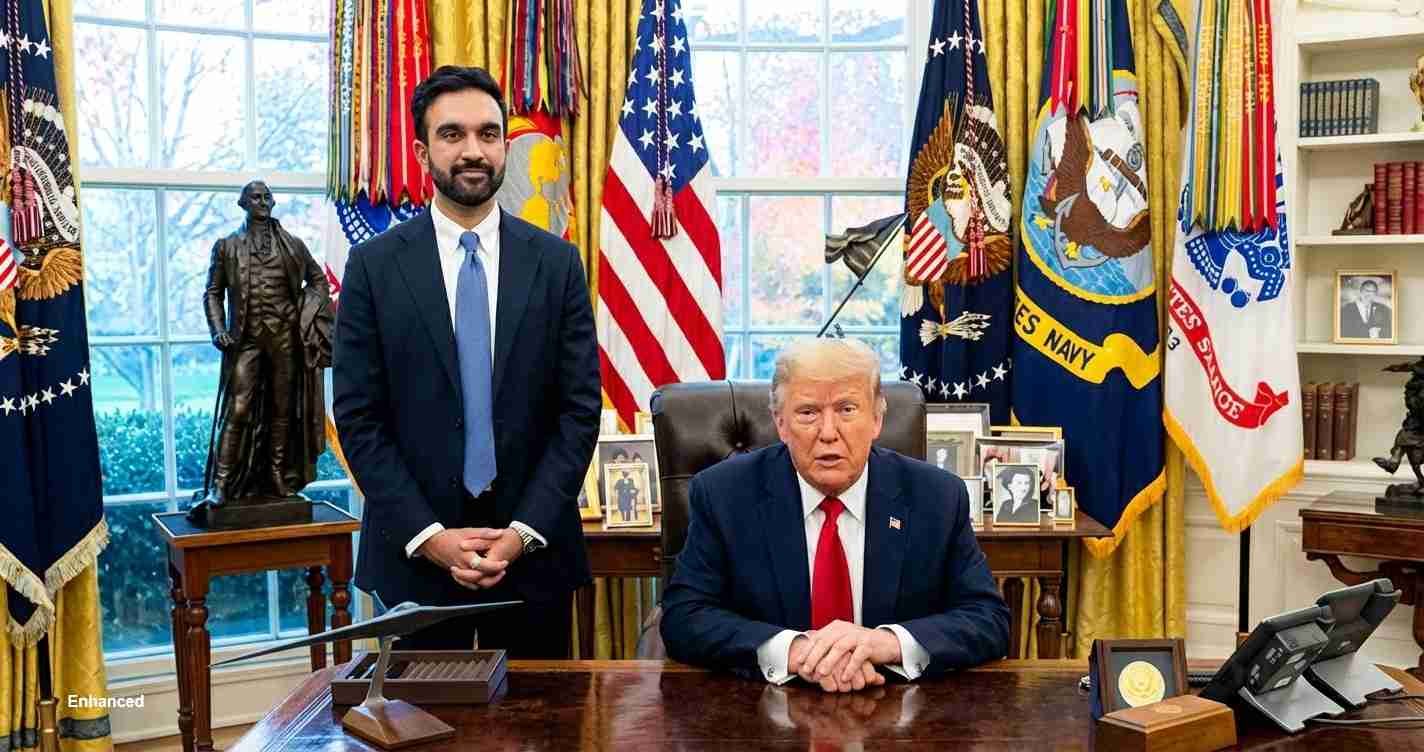
Trump, Mamdani Find Common Ground on Housing: Oval Office Meeting Puts NYC Affordability Crisis Front and Center
President Donald Trump met New York City Mayor-elect Zohran Mamdani in the Oval Office to discuss the city’s housing and affordability crisis, with both leaders signaling pragmatic, conditional cooperation focused on lowering costs for New Yorkers.
- Unlikely meeting: Trump and Mamdani convened in the Oval Office and emphasized working together on policies that lower costs for New Yorkers.
- Pragmatic, not personal: Both described a transactional approach — cooperation only where it serves residents’ needs.
- Policy levers: Federal funding and city zoning/budget decisions were highlighted as realistic tools to ease the affordability crunch.
- Broader implications: The exchange may offer a model for cross-aisle, issue-focused deals in other big cities, including California metros.
What happened in the Oval Office
The meeting focused squarely on rising living costs — notably housing and food prices — and was documented on video and in reporting. Both men framed the encounter as a pragmatic effort rather than a personal thaw: cooperation would proceed when it helps ordinary New Yorkers.
Sources cited in coverage include Hindustan Times and a White House video posted to YouTube.
Mamdani’s stance and public statements
Zohran Mamdani — a self-described democratic socialist and mayor-elect — has been a vocal critic of President Trump. Yet he told reporters he would “work with [Trump] on any agenda that benefits New Yorkers” and prioritized making the city affordable for “every single New Yorker.” The message was clear: oppose harmful policies, engage with officials offering tangible relief.
Reporting and video coverage named Hindustan Times and the Oval Office video on YouTube as primary sources.
Trump’s framing and political calculation
President Trump acknowledged the meeting publicly while stressing that Mamdani remains a political opponent. He framed outreach as conditional — a willingness to cooperate when it “serves the people” by lowering costs. Observers noted the optics: a left-leaning city leader meeting a Republican president is unusual and politically useful for both sides if results follow.
Context: Why housing and affordability matter now
New York City faces a deep affordability crunch: rising rents and housing costs strain families and push working people out of the city. Local advocates point to supply constraints, zoning limits, and insufficient subsidies. Both federal and local policies shape what’s possible — from housing finance to rental assistance — making targeted coordination potentially impactful.
What each side could realistically bring to the table
- Federal levers: The president can influence federal housing finance policy, emergency rental assistance funds, and grants for affordable housing — and can publicly back programs to ease urban costs.
- City control: The incoming mayor controls zoning, housing development priorities, tenant protections, and budget choices that determine subsidies and services.
Both leaders signaled willingness to coordinate on targeted measures to lower household costs, but coverage cautions this is a pragmatic, narrow alignment rather than broad reconciliation.
Political reaction and media framing
The meeting drew wide attention. Commentators split between seeing it as a pragmatic response to voter pressure on pocketbook issues and viewing it as a photo opportunity that doesn’t erase ideological divides. Media noted Trump’s past rhetoric — having called Mamdani a “communist” and warned of disaster — and Mamdani’s prior commitment to resist policies he deems harmful.
Coverage referenced Hindustan Times and reporting from RNZ.
What’s not in the reporting
There is no evidence the Oval Office encounter represents a personal reconciliation. Reporting and video depict a guarded, transactional tone. The publicly highlighted common ground is lowering costs and addressing housing — issues both leaders say affect millions of New Yorkers.
Implications for California
A high-profile White House meeting about urban affordability could have spillover effects beyond New York. California — especially the Bay Area and coastal metros — faces similar housing and cost pressures. Potential local takeaways include:
- Policy coordination model: Cities like Los Angeles and San Francisco might pursue pragmatic deals with the federal government for funding or regulatory flexibility on affordable housing projects.
- Federal funding and rules: Changes in federal grants, tax incentives, or housing finance rules tied to urban affordability could affect California programs for housing production and rental assistance.
- Political framing: Cross-aisle, pocketbook-focused cooperation may appeal to moderate voters who prioritize measurable relief without wholesale ideological shifts.
- Local priorities align: Lessons on zoning changes, incentives for affordable units, and streamlined approvals could be adapted to local pilots and programs.
Reporting notes and sources
This article is based on reporting and public video of the Oval Office meeting. Key sources cited in coverage include Hindustan Times, the Oval Office video on YouTube, and reporting on Mamdani’s background in outlets such as RNZ.
Original URLs preserved:
https://www.hindustantimes.com/world-news/zohran-mamdani-will-work-with-trump-on-any-agenda-benefitting-new-yorkers-101763673889793.html
https://www.youtube.com/watch?v=QRaFM49SSPw
https://www.rnz.co.nz/news/national/578002/we-ll-take-care-of-it-donald-trump-s-cryptic-speech-after-zohran-mamdani-election-win
“We will work on any agenda that benefits New Yorkers,” Mamdani said, while Trump added cooperation would continue only if it “serves the people” by lowering costs.
The coverage shows a sharply transactional meeting focused on housing and cost-of-living issues rather than a broader political reconciliation. Both leaders signaled a willingness to work together where goals align, but they made clear the relationship will depend on outcomes for New Yorkers.



