
Trump launches “Genesis Mission” to centralize scientific data, press U.S. AI leadership through public‑private partnerships
President Donald Trump on Nov. 24, 2025 signed an executive order launching the Genesis Mission, a federal AI initiative to centralize scientific data and accelerate discoveries in engineering, energy and national security through public‑private partnerships.
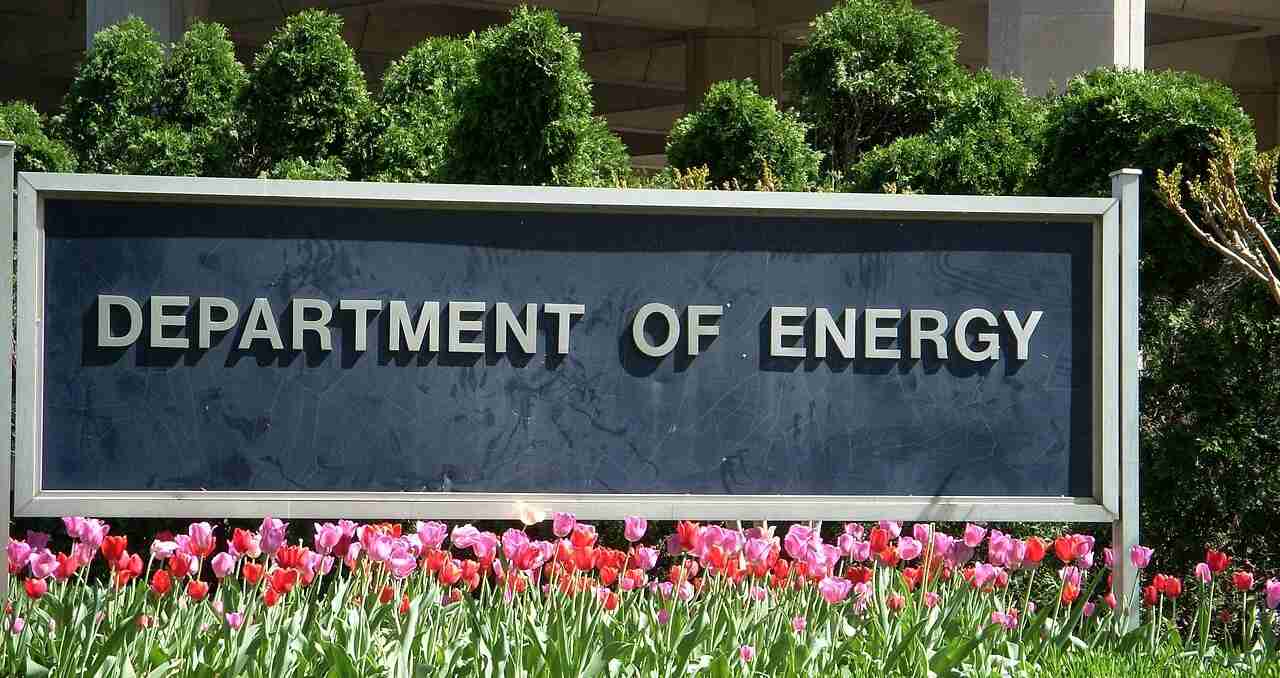
- Genesis Mission AI initiative will build a centralized platform managed by the Department of Energy and national labs.
- Focus: engineering, energy systems (including the electric grid) and national security, not primarily medicine.
- Partners and funding: tech firms, universities and private supercomputing providers backed by appropriations tied to a July 2025 tax‑break and spending bill.
What the Genesis Mission will do
The executive order directs the Department of Energy (DOE) and the national laboratory system to create a unified digital platform that consolidates scientific datasets from federal agencies, universities and private partners. The stated goal is to allow advanced AI to analyze consolidated data to speed discoveries in engineering and energy and to strengthen national security capabilities.
The order calls for the DOE to host and manage the centralized data platform using its national labs and existing supercomputing systems, and it explicitly invites industry and academic partners to contribute AI expertise and computing power. White House officials briefed reporters on the plan on condition of anonymity prior to the order’s signing, saying the initiative is meant to boost U.S. AI leadership by pooling resources and removing data silos.
“The Genesis Mission will bring together our Nation’s research and development resources—combining the efforts of brilliant American scientists, including those at our national laboratories, with pioneering American businesses; world‑renowned universities; and existing research infrastructure, data repositories, production plants, and national security sites—to achieve dramatic acceleration in AI development and utilization.”
See the White House executive actions page for the executive order text and associated materials.
Public‑private partnerships and supercomputing
The Genesis Mission explicitly solicits tech companies and universities to join. Officials said private‑sector supercomputers may be used alongside government systems at national labs in a hybrid approach intended to tap the most advanced computing available for large‑scale AI model training and simulation.
DOE national laboratories already host some of the world’s most powerful machines and have experience with large scientific datasets. The DOE’s science and computing offices will play a central role in building and maintaining the centralized platform. See the DOE site and the DOE national laboratories overview for background on capabilities and infrastructure.
Focus on electric grid, energy and security — not medicine
Administration officials emphasized priority use cases: streamlining the nation’s electric grid and improving energy efficiency. The order’s language and briefings made no specific mention of medical research as a primary goal, reflecting the administration’s stated priorities.
Data security, classification and control
Because the platform would aggregate sensitive information, the executive order includes language aimed at tight safeguards for classified and protected data. Officials said access controls, compartmentalization and legal safeguards will be put in place, though details on handling classified information were not disclosed in the briefing.
Key security concepts: access controls, compartmentalization, legal and technical safeguards to separate classified and sensitive datasets from broader research access.
Funding and the legal framework
The Genesis Mission is backed by funding made available to the DOE as part of a broader legislative package the administration secured earlier in 2025. The order also outlines efforts to centralize AI oversight and regulation under federal authorities to streamline approval and governance for the program — a move officials said would reduce regulatory friction while enabling swift deployment.
Strategic pitch and comparisons
Administration aides compared the scale of the Genesis Mission to past monumental efforts, suggesting it could rival the Manhattan Project or the space race in ambition. They described the initiative as central to preserving U.S. economic and security advantages in the global AI race.
Investigative questions and early concerns
Federal watchdogs, lawmakers and privacy advocates are likely to press on several fronts:
- How will the platform balance openness for researchers with tight security for national‑security data?
- Will states, universities and private data owners retain control over their contributions, or will the federal government have broad access rights?
- What oversight mechanisms and transparency provisions will be created to prevent mission creep into areas like domestic surveillance?
- How will intellectual property and commercialization of AI discoveries be handled between public labs and private firms?
Those concerns matter for legal and political reasons. The order attempts to push authority and coordination to the federal level, which may provoke debate over states’ rights and the role of private research institutions. The administration has signaled it will resist heavy regulatory limits that it says would slow innovation.
Source attribution and where to read the order
The executive order text and related White House materials are posted in the White House briefing room. For background on DOE capabilities and national laboratories, see the Department of Energy resources:
Implications for California
Economic impact
California could gain jobs and private investment if Genesis Mission partners with Silicon Valley companies, state universities and local data center operators. The state hosts major AI firms, chip designers and cloud providers that could join as technical partners, driving hiring in engineering, data science and operations.
California’s large energy footprint and grid stress during heat waves could make the state a priority testbed for projects aimed at streamlining the electric grid, potentially spurring demand for clean energy solutions, grid modernization technologies and energy storage projects.
Political consequences
The federal push to centralize data and decision‑making may raise tensions with California leaders who favor state‑level control over privacy and data rules. Expect debates over safeguards to protect residents’ data, intellectual property rights for university research, revenue sharing from commercialized breakthroughs, and how state regulators will coordinate with DOE and federal partners.
Social effects
For California communities, Genesis Mission could mean more local research funding and partnerships with public universities like the UC and Cal State systems, expanding internships and training. At the same time, communities wary of large data centers may push back on new infrastructure over concerns about water, land use and environmental impacts.
Cultural relevance
California’s mix of high‑tech entrepreneurship and strong environmental values will shape reception. Tech companies may welcome opportunities to demonstrate leadership in U.S. AI and national security; environmental groups and community activists will press for robust environmental review and protections tied to any new infrastructure.
Practical applications for residents
- Grid reliability: Projects aimed at streamlining the electric grid could improve power reliability during heat waves and wildfire seasons.
- Jobs and training: Federal‑industry partnerships could fund workforce programs, internships and university research in AI and energy engineering.
- Local investments: New or expanded data centers could bring construction work, long‑term operations jobs and local tax revenue, while triggering environmental review.
Next steps and watch points for Californians
State officials, university leaders and business groups will watch how the DOE issues requests for partnerships, what data sharing agreements look like, and how funding is allocated. Lawmakers and city officials may seek protections for local interests and environmental standards before new projects proceed.
Relevant links for readers
- White House briefing room — presidential actions
- Department of Energy main site
- DOE national laboratories overview
- White House Office of Science and Technology Policy
- Congress.gov (for federal legislation and appropriations tracking)
Reporters and local officials in California say they will press for more detail as federal agencies outline implementation rules, partnership agreements and security controls. The Genesis Mission AI initiative positions the federal government as a central hub for large‑scale scientific data and AI work — offering potential economic and security benefits while raising important questions about oversight, privacy and state‑federal roles.



