
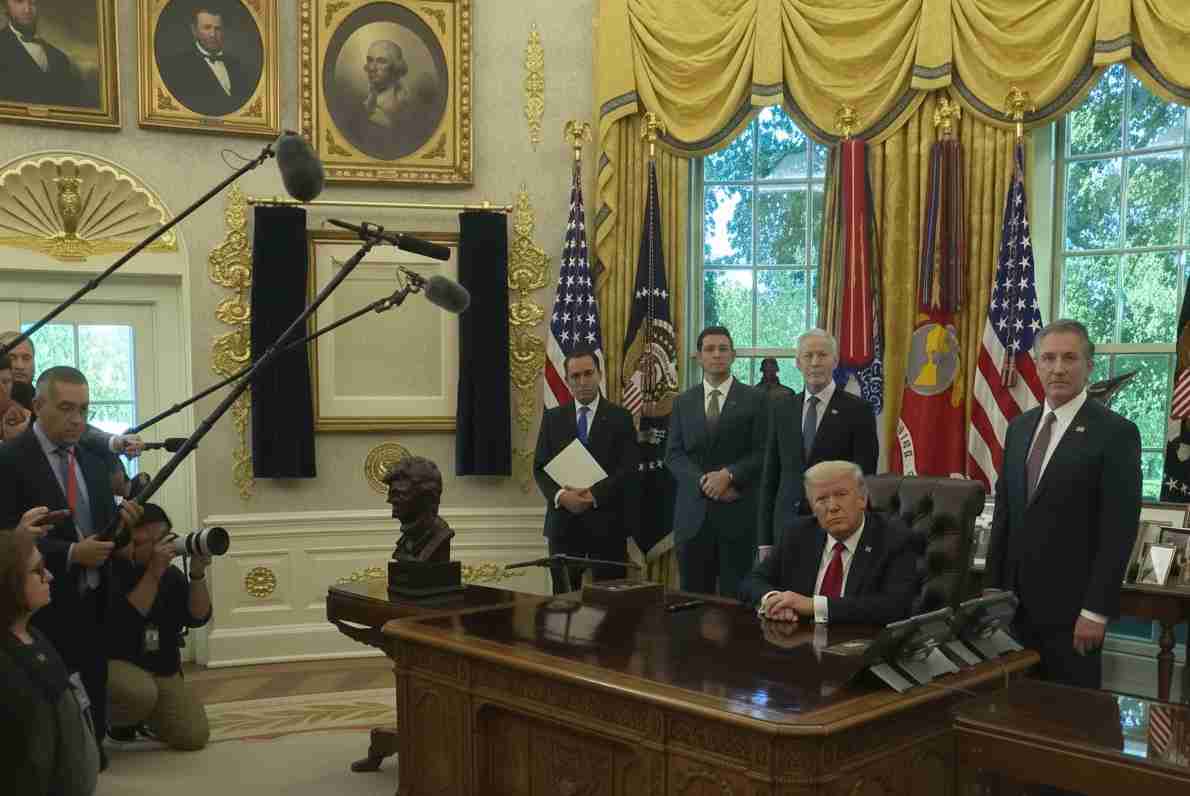
Trump Blames Democrats for Shutdown, Demands Government Reopen “Tonight” as Furloughs Halt Services
A federal government shutdown began at 12:01 a.m. EDT on Oct. 1, 2025, halting many services and furloughing about 900,000 workers as Donald Trump blamed Democrats and demanded the government be reopened “tonight,” immediate talks stalled.
- What happened: Funding lapsed at 12:01 a.m. EDT on Oct. 1, 2025, triggering a federal shutdown and agency furloughs; see the 2025 United States federal government shutdown overview.
- Political flashpoint: Former President Donald Trump publicly blamed Democrats and urged lawmakers to “reopen tonight,” noted in contemporary reporting such as the AOL and Fox News accounts.
- Scale of impact: Roughly 900,000 furloughed employees and about 700,000 working without pay affected services and local economies; see the NCSL summary.
Background: How the shutdown began
Negotiations over funding for the 2026 fiscal year collapsed in late September when a House-passed short-term continuing resolution failed to clear the Senate. Senate Democrats insisted on extensions of expiring Affordable Care Act subsidies as part of any deal; Republicans pushed for a CR without those conditions. Because of Senate filibuster rules requiring 60 votes, the CR stalled and funding lapsed at midnight on Oct. 1. Detailed timelines and summaries are available via the White House shutdown clock and the shutdown overview.
Trump’s public statements and Republican position
Donald Trump framed the lapse in funding as caused by Democratic demands. In public remarks and social media posts he said Democrats were “shutting down the government right in the midst of one of the most successful economies,” and urged lawmakers to “reopen tonight.” He called the shutdown unnecessary and demanded funding be restored immediately while saying he was open to later negotiations on health care. Contemporary reporting on his comments appeared in outlets such as AOL and Fox News.
“This should not have happened — reopen tonight,” Trump said, putting political pressure on lawmakers to act quickly.
Democratic response and bargaining positions
Senate Democrats, led by Minority Leader Chuck Schumer, defended linking funding to protections for Affordable Care Act subsidies that millions depend on. While some moderates and independents voted to end the shutdown, the party largely insisted on tying guarantees for key programs to any stopgap measure. Negotiations showed intermittent progress, but as of Oct. 3 no binding agreement had been reached; see context in the White House timeline and the compiled overview.
Impact on federal employees and services
The immediate human cost was stark: nonpartisan estimates showed roughly 900,000 federal workers furloughed and about 700,000 required to work without pay. Families and local economies faced sudden income gaps. Essential services operated at reduced capacity; some programs such as Medicare and Medicaid continued in limited form while other services — including certain nutrition programs and research projects — experienced suspension or delay. Further detail on program impacts is available from the NCSL and the shutdown overview.
Political and ethical questions
Reports surfaced that nonpartisan staffers’ out-of-office messages were altered in ways that appeared to assign blame, raising concerns about compliance with the Hatch Act and the blurring of political messaging inside federal offices. Those reports drew scrutiny and added an ethical layer to the political dispute; readers can consult public summaries of the shutdown for additional reporting on these allegations via the shutdown overview.
Negotiations and the road ahead
Both parties reported talks were underway with occasional signs of progress, but no bipartisan deal had been finalized in the early days of the shutdown. The House had shown some bipartisan support for a CR, but Senate filibuster rules and Democrats’ insistence on health care protections created an impasse. Observers noted the political calculus: continuing furloughs increase pressure for a quick fix, while each party weighs risks tied to concessions.
Implications for California
California faces notable economic, political and social ripple effects from the shutdown:
- Economic impact: Large numbers of federal employees, contractors and businesses rely on federal spending; furloughs and delayed payments can reduce household incomes and slow consumer spending in cities such as Sacramento, Fresno and San Diego.
- Political consequences: California’s Democratic leaders will likely defend health care protections while pushing for quick restoration of funding; local Republican officials may highlight budgeting predictability and call for process reforms.
- Social effects: Nutrition assistance, public health support and disaster-preparedness grants may be delayed, with vulnerable communities feeling effects early. Federal lands and parks, such as Yosemite, could see reduced visitor services, impacting tourism.
- Cultural relevance: Interruptions to research institutions, health programs and public-safety support challenge Californians’ expectations for reliable public services.
Practical applications for residents
Californians and federal employees should take practical steps:
- Federal employees and contractors: Check with employers and unions for guidance on leave, benefits and potential back pay arrangements.
- Service users: Monitor agency announcements; some services will continue in limited forms while others pause. Contact state agencies for interim assistance where possible.
- Local businesses and communities: Prepare for possible short-term drops in consumer spending and delayed federal contract payments.
Sources and reporting notes
This article draws on public reporting and official summaries of the 2025 shutdown, contemporary reporting on public statements, and compiled overviews:
- AOL report on Trump’s remarks
- Fox News account of the demand to reopen “tonight”
- Wikipedia: 2025 United States federal government shutdown
- NCSL: What a federal government shutdown means for states and programs
- White House: Government shutdown clock and timeline
As talks continue in Washington, California leaders and residents face immediate ripple effects from the shutdown: lost pay for federal workers, slowed services for families, and political pressure on lawmakers to find a quick and sustainable path back to funding.



