
Supreme Court extends Trump foreign aid freeze, deepening fight over presidential spending authority
The Supreme Court on Friday extended an order allowing the Trump administration to keep nearly $5 billion in congressionally approved foreign aid frozen, preserving the funds’ status while courts consider a legal challenge over executive spending power.
Key takeaways
- Emergency stay: The Court voted 6–3 to grant an emergency appeal, keeping roughly $5 billion on hold while litigation continues — see the emergency appeal and related reporting from the Los Angeles Times.
- Lower courts: A district judge found the freeze likely unlawful and the D.C. Circuit declined to immediately unblock part of the funds — see the district-court ruling and appeals posture reported by The Daily Record.
- Separation-of-powers test: The case questions whether a president may unilaterally withhold funds that Congress explicitly appropriated — background from the Los Angeles Times and GV Wire.
- Humanitarian impact: Aid programs providing food, medicine and stability in vulnerable countries face shutdowns or cuts if funds remain frozen — see reporting at GV Wire.
What happened
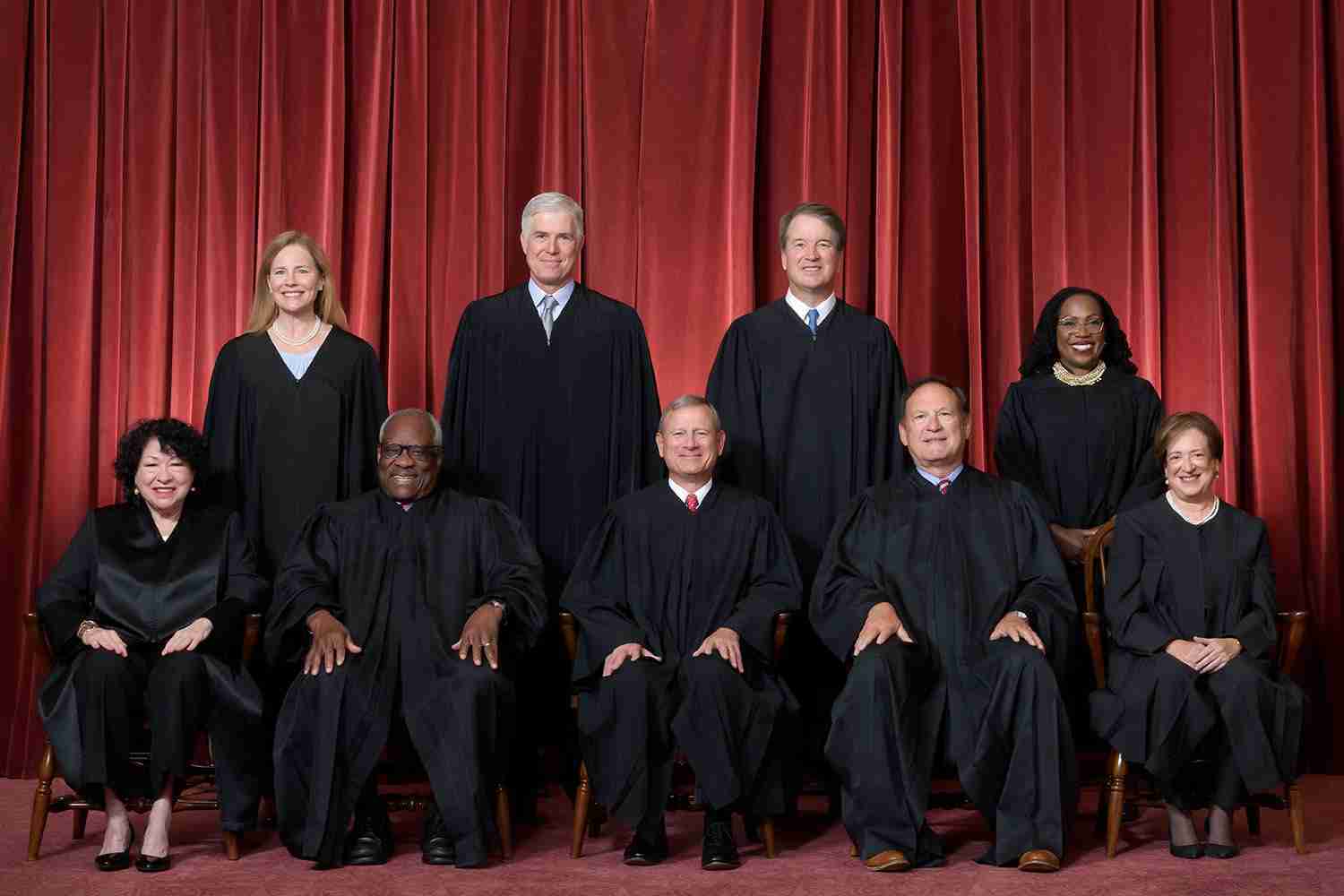
In a 6–3 ruling on an emergency appeal, the Supreme Court’s conservative majority granted the Trump administration an administrative stay that preserves a broad freeze on nearly $5 billion in congressionally approved foreign-aid disbursements. The action keeps funds from being released while the underlying lawsuits move through the courts — see reporting on the Court’s emergency action in The Daily Record and the Los Angeles Times.
What the courts have done so far
Chief Justice John Roberts first issued a short-term administrative hold on Sept. 9. On Friday the full Court extended that stay indefinitely as the litigation proceeds, a procedural move that does not resolve whether the president can lawfully block funds that Congress appropriated — see coverage in The Daily Record and the Los Angeles Times.
A U.S. District Court judge, Amir Ali, previously concluded the administration’s freeze was likely illegal because it circumvented Congress’s appropriations authority. The D.C. Circuit declined to block Judge Ali’s order to disburse roughly $1.5 billion immediately, and the Supreme Court’s stay prevented that release — see the district-court coverage.
Division on the Court
The emergency order was issued on a 6–3 vote. The conservative majority supported maintaining the freeze; the three liberal justices dissented, emphasizing concerns about executive overreach and the implications of emergency stays issued without full briefing or argument — reporting from The Daily Record and the Los Angeles Times.
What’s at stake for programs and people
Advocacy groups, aid contractors and implementing partners warned the courts that withholding funds causes immediate harms. Programs that provide medical care, food assistance and development support in fragile countries have reported shutdowns or sharply reduced operations, increasing risks of disease, hunger and instability — see background reporting at GV Wire.
District court judges identified roughly $1.5 billion that should be disbursed immediately; the administration’s emergency filing to the Supreme Court blocked that immediate release and preserved the freeze pending further review — see GV Wire and The Daily Record.
Presidential spending authority and constitutional questions
At the core of the dispute is whether the president possesses statutory or constitutional authority to suspend or cancel certain foreign-aid disbursements. The administration invokes long-dormant statutory powers; critics argue that allowing unilateral executive control over appropriations would undermine Congress’s “power of the purse” and the Constitution’s allocation of spending authority — analysis and reporting in the district-court coverage and the Los Angeles Times.
Legal observers note the Supreme Court’s stay is procedural: it preserves the status quo to allow briefing and appeals rather than resolving the constitutional issue now.
Emergency appeals and the “shadow docket”
This emergency intervention is part of a pattern in which the administration has sought quick relief from the Supreme Court in high-profile disputes. Critics call the expedited, often unexplained orders the “shadow docket,” arguing they yield interim rulings without the full public record of briefing and oral argument — see reporting at The Daily Record and the Los Angeles Times.
The Court has also rejected some emergency requests in other disputes (for example, denying a freeze of a smaller $2 billion tranche), underscoring that emergency relief is decided case by case — see GV Wire.
What comes next
The litigation will continue through the federal courts with additional briefing and appeals. The Supreme Court’s stay keeps the freeze in place for now; ultimately, a final judicial ruling will determine whether a president may unilaterally block spending that Congress has expressly approved or whether that authority rests with the legislative branch — see ongoing coverage at The Daily Record and the Los Angeles Times.
Implications for California
California has a substantial presence in overseas aid work — universities, NGOs and contractors statewide participate in U.S.-funded programs. A prolonged freeze could ripple into the state’s economy, political debates and civic networks.
Economic impact
- Many overseas aid programs contract with U.S.-based organizations, including numerous California entities; payment delays or canceled contracts may reduce revenue for firms and nonprofits — reporting and context at the Los Angeles Times and GV Wire.
- Extended freezes can ripple to payrolls and suppliers supporting aid organizations across the state.
Political consequences
The dispute raises separation-of-powers issues that may influence California voters and lawmakers. State officials who fund international programs could seek clearer statutory limits on executive spending authority or legislative remedies to safeguard program continuity.
Social effects
Californians with family or community ties to affected countries — immigrant communities and diaspora groups — are likely to be especially attentive. Delays in aid can affect humanitarian projects that have strong local support.
Cultural relevance
California’s global engagement and public-health leadership mean the freeze touches civic priorities such as humanitarian aid and disaster response; that cultural connection drives local interest and advocacy.
Practical applications for residents
- Nonprofits & contractors: Review contracts and contingency plans; update budgets to account for potential short-term funding gaps.
- Donors & volunteers: Expect increased local appeals to fill immediate humanitarian needs if federal disbursements remain frozen.
- Businesses: Monitor orders and cash flow tied to aid programs; prolonged freezes could disrupt supply chains.
“How the courts ultimately resolve the dispute will shape the balance of power between the White House and Congress and determine whether a president can withhold funds that lawmakers have plainly approved.”
For ongoing updates and original reporting, see The Daily Record, the Los Angeles Times, and GV Wire.



