Supreme Court blocks SNAP funding, temporarily halting order to restore Trump SNAP benefits
The Supreme Court granted an emergency stay that temporarily blocks a lower court order requiring full funding of SNAP, leaving reduced payments in place while appeals proceed, and affecting millions of recipients and state agencies nationwide.
- Emergency stay: The Court paused the lower court’s restoration order while appeals continue — source.
- Temporary effect: Reduced SNAP payments remain in place for now; the stay is procedural and not a ruling on the merits — source.
- Next steps: Appeals courts will review whether the administration lawfully reduced benefits; final resolution could take months — source.
Background: the dispute over SNAP funding
The Supplemental Nutrition Assistance Program (SNAP) provides monthly benefits helping low-income Americans purchase food. The Trump administration implemented reductions to certain SNAP benefits, asserting the changes were legally justified and consistent with program rules. Opponents — including states and advocacy groups — challenged those reductions in federal court, arguing the cuts were unlawful and harmful to families who rely on the program.
A federal trial court sided with challengers and issued an order directing the administration to restore full SNAP payments that existed before the cuts. The administration appealed and sought a stay of that order from an appeals court; when that request was denied, the administration made an emergency appeal to the Supreme Court — source.
Supreme Court action and what it means now
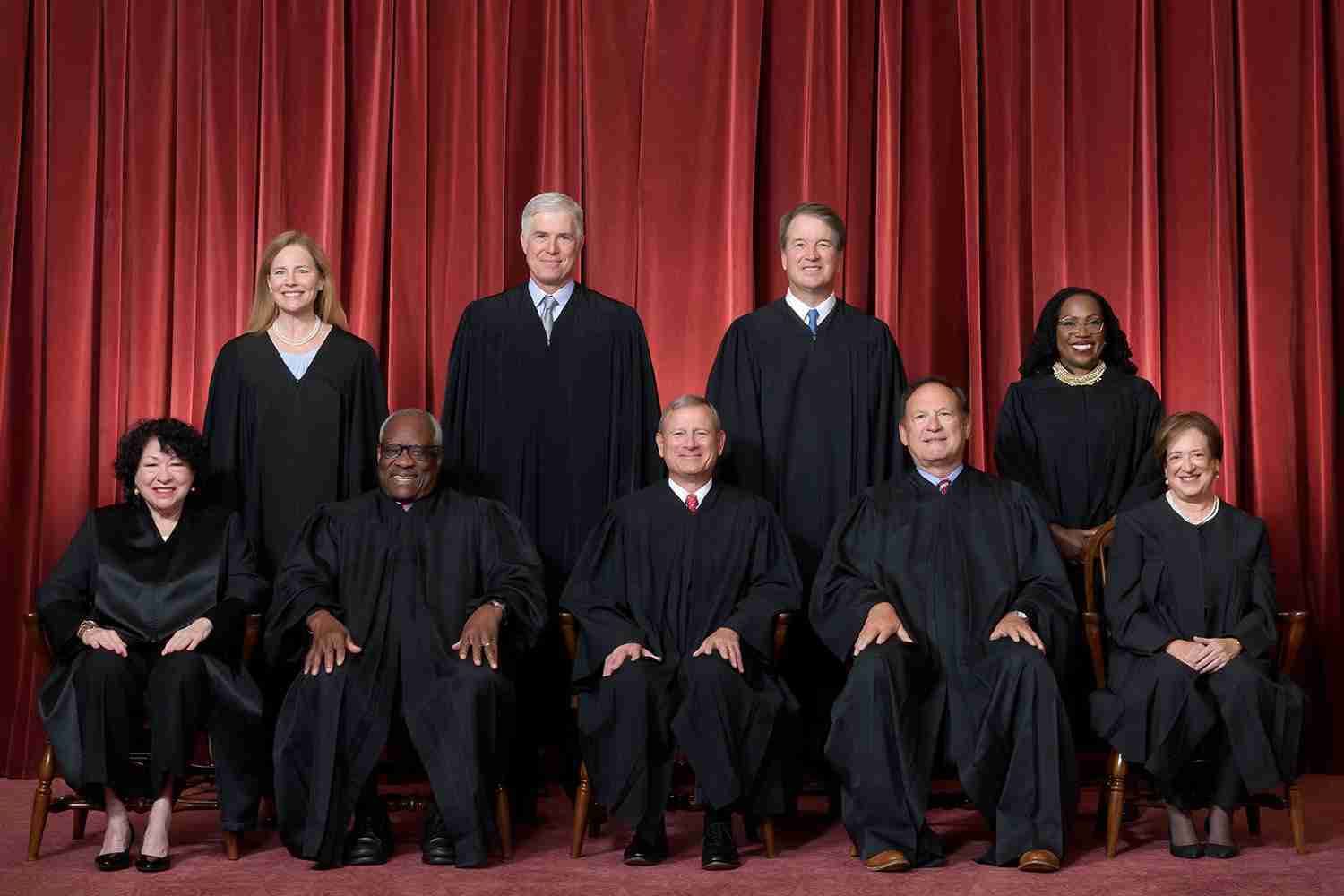
The Supreme Court granted the emergency request and issued a temporary stay of the lower court’s restoration order. Practically, that means the administration’s reduced SNAP payments remain in effect while the appeals process proceeds. The stay is procedural: it pauses enforcement of the trial court’s ruling but does not resolve whether the reductions were ultimately lawful — source.
“A stay from the Supreme Court keeps the status quo while higher courts consider the arguments,” legal observers note, underscoring that the decision signals urgency but not the Court’s view on the merits.
Immediate impact on recipients and administrators
Recipients: Families and individuals will not immediately receive the higher benefit amounts ordered by the lower court. State agencies must continue operating under current payment rules until stays and appeals are resolved — source.
Local organizations: Food banks, county human services offices, and anti-hunger charities face uncertainty in planning distributions and budgets. The temporary stay could prolong tight demand and delay anticipated relief.
Legal path forward
The Supreme Court’s stay is temporary and procedural. The case will return to the appeals courts for briefing and consideration unless the Supreme Court agrees to take the case on the merits sooner. Appellate review will focus on whether the administration had legal authority to reduce benefits and whether the reductions complied with federal law and administrative procedure rules — source.
Possible outcomes:
- If appeals courts uphold the lower court, the administration would be ordered to restore higher SNAP payments.
- If appeals courts and ultimately the Supreme Court side with the administration, the reduced payments would stand.
Political and policy context
This dispute fits into a broader debate about federal food assistance and executive authority. Proponents of the reductions argue they protect program integrity and enforce statutory limits. Critics counter that the cuts harm vulnerable families and were implemented without adequate rulemaking or oversight.
For a politically moderate conservative audience, the tension centers on balancing fiscal discipline and accountability with protecting vulnerable populations. Some conservative voices emphasize program integrity and statutory fidelity, while others stress local charity and community-based responses.
Implications for California
Economic impact
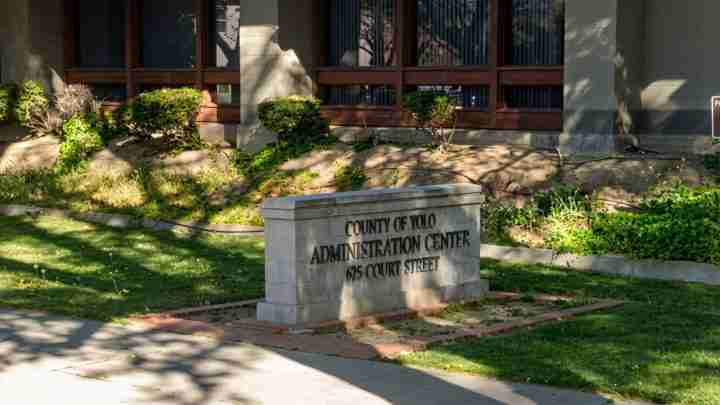
California, with one of the largest SNAP participant populations, faces significant effects if benefit levels remain reduced. Increased demand on food banks and county social services is likely, and agencies may confront administrative burdens and potential retroactive adjustments if payments are later restored.
Political consequences
State leaders in California are expected to oppose reductions. Responses may include public criticism, legal actions, or bolstered state-level support for food assistance programs as officials seek to protect vulnerable residents while considering fiscal impacts.
Social effects
Reduced benefits can deepen hardship for seniors, single parents, low-wage workers, and disabled residents. Uncertainty complicates household budgeting and can affect nutrition, health, and children’s school readiness. Community groups will likely continue to fill gaps amid strained resources.
Cultural relevance
In California’s policy environment, food assistance is viewed as a crucial safety net linked to broader issues like housing and healthcare. Changes to SNAP funding interact with regional priorities emphasizing community welfare and support systems.
Practical applications for residents
Residents should:
- Monitor communications from county social services for updates on benefits and potential retroactive payments.
- Contact local food banks and service organizations for emergency support and enrollment assistance if eligible.
- Follow state and local guidance as agencies respond to court developments.
Source attribution
Core reporting on the Supreme Court’s emergency stay and the appeals process is drawn from available reporting on the action — source. That reporting confirms the Court granted the administration’s emergency request and temporarily blocked the lower court’s full-funding mandate while appeals are pending.