
Two Republicans Break Ranks as Senate GOP Blocks Measure to Rein In Trump’s Caribbean Drug Strikes
Senate Republicans rejected a Democratic-led resolution to curb President Trump’s strikes on drug-smuggling boats in the Caribbean, defeating the measure 48-51 despite two GOP defections; debate centers on war powers, legality, and oversight and congressional authority.
Key takeaways
- Senate vote: The chamber voted 48-51 to block the Democratic-led resolution. Source: ABC News.
- GOP split: Senators Rand Paul (R-Ky.) and Lisa Murkowski (R-Alaska) joined Democrats to support the measure; Sen. John Fetterman (D-Pa.) voted against it. Source: ABC News.
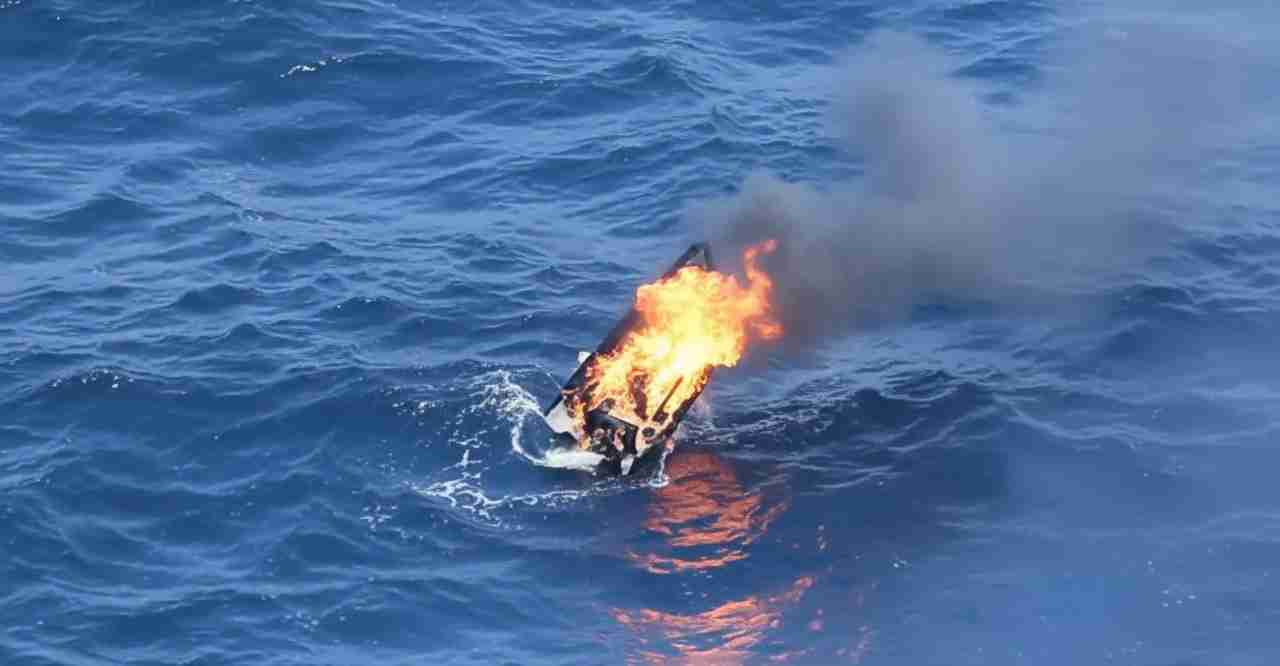
- Strikes and casualties: The White House says four vessels were destroyed and at least 21 people described as “narcoterrorists” were killed; administration framed strikes as preventing narcotics from reaching the U.S. Source: ABC News.
Key information
Senators debated a Democratic-led resolution invoking the War Powers Resolution of 1973, which would have required Congress to authorize any further strikes tied to the campaign against drug-smuggling boats in the Caribbean. The White House signaled President Trump would veto the measure. Source: ABC News.
What happened in the Senate
The resolution sought to force congressional consideration of the administration’s maritime strikes. The final vote was 48-51, with most Republicans opposing the measure. Two GOP senators—Rand Paul and Lisa Murkowski—voted with Democrats, signaling a split in the party over executive authority and congressional oversight.
“The executive branch should not act as ‘judge, jury and executioner,’” Sen. Rand Paul warned before the vote, urging Congress to assert oversight.
The alignment was unusual: Democratic Sen. John Fetterman opposed the resolution, contributing to the narrow margin that kept the measure from moving forward. Source: ABC News.
Administration defense and the case for action
The White House defends the strikes as necessary to stop shipments of powerful illegal drugs bound for the United States. Officials say four vessels were destroyed and at least 21 people characterized as “narcoterrorists” were killed, preventing those ships from delivering narcotics.
Supporters argue that some cartel operations in parts of the Caribbean resemble armed groups or state-like actors, and that lethal force can be lawful to protect American lives against imminent threats at sea.
Legal and constitutional debate
At the heart of the dispute is whether the president can authorize lethal strikes against non-state actors—like drug cartels—without explicit congressional authorization. The War Powers Resolution was designed to limit prolonged military actions taken without Congress.
Some Republicans privately expressed concern about the legal basis and transparency of the operations. Senators such as Kevin Cramer and Todd Young said they worried the scope and scale of the strikes had not been fully explained to Congress, even as they ultimately voted against the resolution. Source: ABC News.
Democrats including Rep. Adam Schiff and Sen. Tim Kaine warned the strikes could violate U.S. and international law and might spark broader conflict with regional nations such as Venezuela, urging more congressional oversight and legal scrutiny. Source: ABC News.
Strategic and military concerns
Lawmakers also debated the strategic costs of expanded Navy and Coast Guard activity in the Caribbean. Some worry deployments could divert resources from other priorities, including countering China in the Indo-Pacific.
Sen. Todd Young called for Senate Foreign Relations Committee hearings and planned meetings with the Secretary of State and the Pentagon to probe the legal and strategic rationale, rules of engagement, and regional coordination. Source: ABC News.
Political response inside the GOP
The vote revealed fractures within Republican ranks. Leadership defended the strikes as necessary to stop deadly drugs, while others raised process concerns and the lack of consultation with Congress.
Sen. Marco Rubio and administration allies described cartel control in parts of the Caribbean as quasi-governmental, arguing U.S. action is justified; senators like Rand Paul and Lisa Murkowski emphasized that legal limits and oversight remain vital. Source: ABC News.
International risks and regional reaction
Opponents warn that strikes could escalate tensions in the region, with Venezuela singled out as a possible flashpoint. If perceived as infringing on sovereignty or tied to broader U.S. pressure campaigns, strikes could complicate diplomacy and invite retaliation.
The administration says the strikes are precise, limited, and defensive—aimed at reducing the flow of hard drugs into the United States.
Implications for California
Economic impact
California faces health and budget effects from fentanyl and other illicit opioids. If Caribbean strikes reduce drugs reaching U.S. shores, public health systems and law enforcement could see fewer overdoses and lower emergency costs. However, traffickers may shift routes to the Pacific, affecting ports in Los Angeles, Long Beach, and San Francisco.
Public safety and local law enforcement
Local agencies may need to adapt to new smuggling patterns if cartels reroute shipments. California entities—from municipal police to the National Guard—may require enhanced coordination with the Coast Guard and Customs and Border Protection for maritime trafficking response.
Political consequences
For moderate California conservatives, the vote raises trade-offs between robust action against cartels and constitutional limits. Democrats and independents will likely press for hearings and transparency to ensure civilian safety and adherence to international norms.
Trade and supply routes
Heightened naval activity in the Caribbean could indirectly affect shipping lanes and insurance costs. While most California trade flows through the Pacific, global maritime security shifts could reallocate resources away from Pacific priorities.
Immigration and regional diplomacy
Political tensions in the Caribbean and neighboring countries could increase migration pressures. California’s large immigrant communities and coastal cities may face humanitarian and logistical challenges if regional instability grows.
Budget and military readiness
Extended operations could raise defense spending or require more National Guard deployments, affecting California taxpayers. Fiscal conservatives may demand clearer authorization and cost estimates before Congress funds long-term operations that divert forces from other strategic needs.
Oversight and what comes next
With the resolution blocked and a presidential veto expected, there is no immediate statutory check on further strikes. The debate continues: senators have called for committee hearings and briefings to examine legal rationale, intelligence, and regional coordination.
For California policymakers the questions are practical and pressing: Will strikes reduce dangerous drugs reaching state communities? Will U.S. legal and constitutional norms be preserved? And will Congress provide clear direction and funding that balance national security, law enforcement needs, and fiscal responsibility. Source: ABC News.
Reporter note: This article draws on coverage from ABC News. Full report.



