Florida deploys 120 robot rabbits in Everglades to trap invasive Burmese pythons
Florida agencies have deployed 120 solar-powered robotic rabbits across the Everglades to lure and detect invasive Burmese pythons using heat, scent and AI-monitored cameras — an early pilot aiming to speed removals and protect native wildlife and restoration investments.
Key takeaways
- Who: South Florida Water Management District (SFWMD) in partnership with the University of Florida.
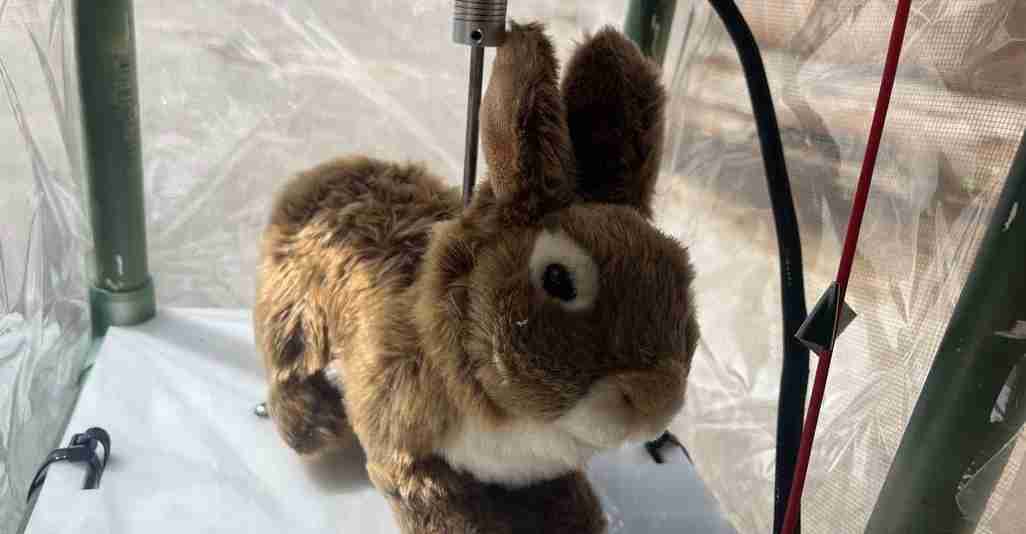
- What: 120 solar-powered robotic rabbits with heat packs, scent emitters, motors and camera sensors acting as decoys to lure and detect Burmese pythons (CBS News and Route Fifty coverage).
- Cost & status: ~$4,000 per robot, SFWMD-funded pilot deployed summer 2025; results promising but preliminary.
Overview
The Everglades’ Burmese python invasion has devastated native mammals and birds, undermining costly restoration work. Agencies have turned to a technology-driven pilot that pairs realistic decoys with AI monitoring to improve detection and accelerate removals.
Background and rationale
Burmese pythons arrived in South Florida mostly through the exotic pet trade and accidental releases. They reproduce rapidly — females can lay 50–100 eggs per clutch — and face few natural predators here. Since the 1990s their populations exploded, making them extremely hard to locate in dense ground cover.
Researchers and park officials report declines of up to 95% in small mammal populations (raccoons, opossums, marsh rabbits) and sharp drops in some bird species, losses that jeopardize years of Everglades restoration and taxpayer investments (CBS News and Route Fifty).
How the robot rabbits work
The robotic rabbits are modified toy models enhanced to mimic prey. Each unit includes:
- Small heat sources to simulate body warmth
- Scent emitters that reproduce rabbit odor
- Motors to create motion and attract attention
- Video cameras inside protective pens that feed AI systems trained to distinguish Burmese pythons from native wildlife
- Solar panels to enable prolonged field deployment
When AI detects a python, the system sends an alert to SFWMD staff and contractors are dispatched for removal, shortening the detection-to-removal window and reducing hours spent searching by people on the ground (SFWMD).
Deployment and early results
In summer 2025, officials placed 120 robot rabbits at strategic locations across the Everglades as part of an early-stage pilot. The units are remotely monitored and linked to an alert system designed to minimize response time. Early indicators show improved detection speed and reduced field labor, though agencies emphasize results are preliminary and AI tuning is ongoing (CBS News).
Cost, ethics and alternatives
Using live rabbits historically aided python removal but raised substantial animal welfare and cost concerns. The robotic approach aims to avoid those ethical issues while bringing potential long‑term labor savings. Each robot costs roughly $4,000, funded by SFWMD; officials argue the upfront expense may be justified if the technology reduces recurring field labor and protects restoration assets (CBS News).
The robots are one tool among many: contractor removals, bounty programs and public contests (like the Python Challenge™) continue to be part of the overall strategy. In 2023, combined efforts removed more than 11,000 pythons (SFWMD Python Program).
Partnerships and broader context
The project links state and local agencies, university researchers and private contractors. SFWMD funds and coordinates field work while the University of Florida contributes research and technology development. Project designers say the approach could be adapted to other invasive animals if proven effective (University of Florida; Route Fifty).
Implications for California
The Everglades pilot provides a model for California agencies facing hard-to-detect invasive animals. Key lessons:
- Combine low-footprint decoys with remote sensors and AI for early detection
- Run small, transparent pilots with cost-benefit tracking before scaling
- Partner with academic institutions (e.g., UC system) and private firms to accelerate development
For policymakers favoring limited, evidence-driven action, the robot rabbit program represents a testable, accountable approach: clear metrics, ethics reviews and independent audits can determine whether the technology delivers taxpayer value (Route Fifty).
Public safety and property
While most python encounters are in protected wetlands, the snakes occasionally appear near neighborhoods and suburban waterways. Removing large pythons reduces risks to people, pets and small livestock. Officials argue that lowering python numbers and breeding success will also lower those neighborhood risks over time (CBS News).
Accountability and taxpayer value
SFWMD is using public funds for the pilot and officials say results will be tracked carefully. For readers prioritizing fiscal responsibility, the appeal is practical: a technology-driven solution that could cut long-term labor costs, reduce recurring infestations and protect restoration investments that taxpayers fund (SFWMD Python Program).
Voices from the field
“The robotic rabbits give us a safer, more ethical way to attract and detect pythons — and the AI alerts help us respond faster,” said project partners involved in field testing (SFWMD release).
Sources and further reading
- CBS News: Burmese pythons and robot rabbits coverage
- SFWMD: News release on robotic rabbits
- Route Fifty: Reporting on technology and python removal
- University of Florida: Feature on the robo-bunnies project
- Palm Beach Post: Reporting and technical details
- SFWMD Python Program overview
- Example video of the robotic rabbits in use