BLM to begin Spring Mountains wild horse gather March 15; agency plans removal of about 850 animals amid land‑health and safety concerns
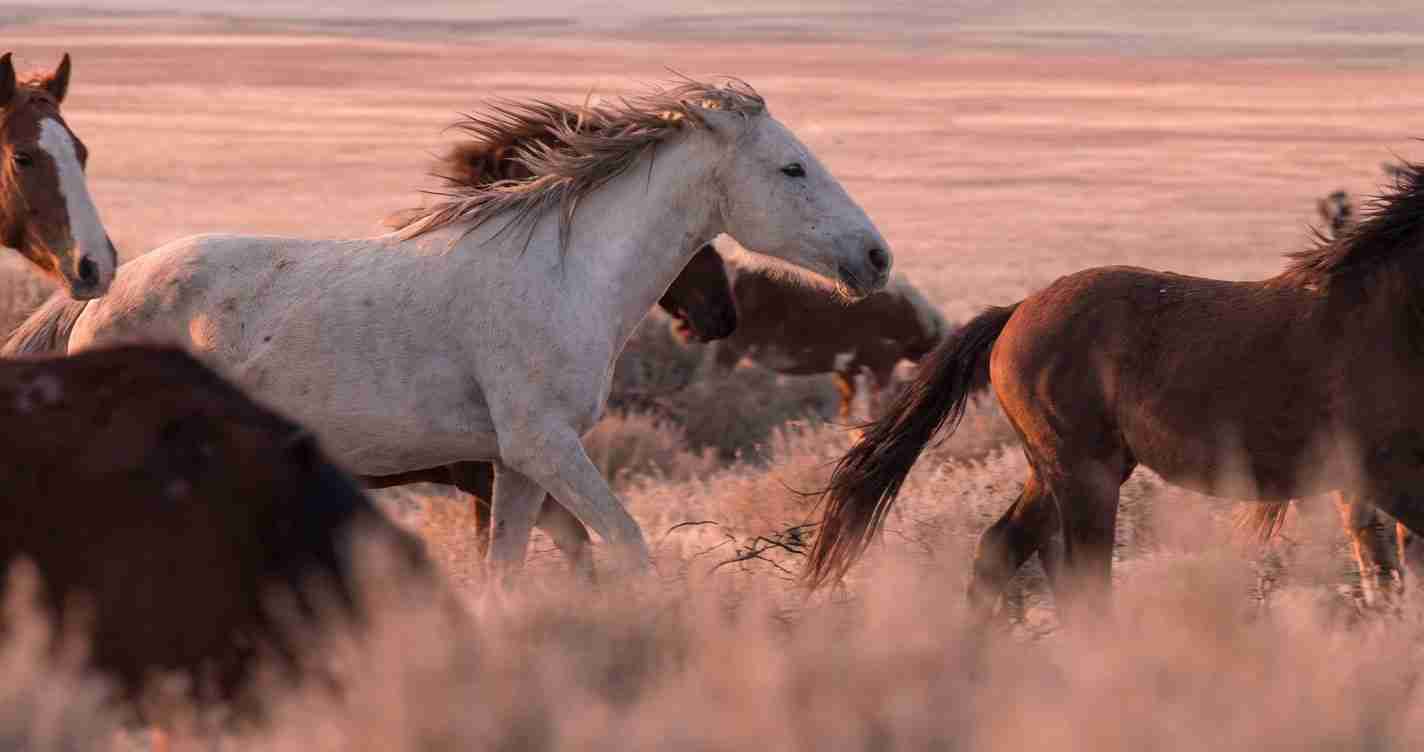
The Bureau of Land Management’s Pahrump Field Office will begin a bait-and-water gather around March 15, 2026, in the Spring Mountains Complex near Las Vegas to remove about 850 wild horses and burros to protect land health and public safety.
- Gather method: bait-and-water trap gather; no helicopters will be used.
- Animals to be removed: about 425 wild horses and 425 wild burros from three HMAs.
- On-range estimate: 749 horses and 1,048 burros prior to the 2026 foal crop, numbers above AMLs.
- Destination: animals to go to the Palomino Valley Off‑Range Corrals in Reno for vet checks and placement.
Gather operations and methods
The BLM will conduct a bait-and-water trap gather using temporary corrals made from corral panels, stocked with water and forage to entice animals. The agency states this approach is intended to reduce stress on animals and limit landscape disturbance.
Public safety: Temporary closures will be in place around trap sites; only essential personnel will be permitted in those areas. The BLM emphasizes that no helicopters will be used for this gather, distinguishing this operation from some past gathers elsewhere.
Further details and status reports will be posted on the BLM’s gather web page. See the BLM announcement and the BLM gather page for official updates.
Where the animals are coming from: HMAs and numbers
The Spring Mountains Complex includes three designated Herd Management Areas (HMAs) totaling roughly 616,912 acres of combined public and other lands:
- Johnnie HMA: 177,237 acres BLM + 2,131 acres other = 179,368 acres; managed for burros only; AML 65–108 burros.
- Red Rock HMA: 157,443 acres BLM + 4,526 acres other = 161,969 acres; AML 16–27 horses and 29–49 burros.
- Wheeler Pass HMA: 273,898 acres BLM + 1,677 acres other = 275,575 acres; AML 47–66 horses and 20–35 burros.
Combined on-range estimates before the 2026 foal crop are 749 horses and 1,048 burros, figures that exceed the AMLs across the complex. Removed animals will be transported to the Palomino Valley off‑range corrals in Reno for veterinary checks and potential placement through the BLM’s Adoption and Sales Program.
Rationale: land health, wildlife and public safety
The BLM cites its duty under the Wild Free‑Roaming Horses and Burros Act of 1971 to “prevent undue or unnecessary degradation” of public lands.
The agency states that excess numbers of wild horses and burros can:
- Degrade rangeland health and strain water sources
- Damage fencing and infrastructure
- Create public‑safety risks when animals stray onto highways or private property
The gather is also framed as supporting ecological balance and habitat for native species such as mule deer, sage‑ and blue‑grouse, and raptors, and aligns with local rangeland standards and advisory council guidance.
Operations, status and transparency
Status at announcement: the BLM reported that, at the time of the public announcement, no animals had yet been gathered, shipped, released, or recorded as deceased in connection with the Spring Mountains operation.
The BLM will post gather reports and detailed updates on its gather website. Technical questions can be directed to Allison Meaney, Wild Horse and Burro Specialist, at (702) 515‑5000; media inquiries to Heather O’Hanlon, [email protected], 775‑623‑1567. NEPA documents for the operation are available through the BLM National NEPA Register; see the BLM announcement for links to NEPA materials.
Context: part of a larger Nevada effort
This gather is one of several BLM operations announced in Nevada for 2026. Outside reporting frames the broader set of operations as a large-scale series of removals affecting multiple complexes and thousands of animals across millions of acres. Third‑party observers and advocacy groups have tracked the wave of planned gathers and removals.
See reporting from the Wild Narrative Project and Return to Freedom for additional context and commentary.
Implications for California
Economic links: Southern California and Nevada share recreation and tourism markets; healthier rangelands can help preserve hunting and wildlife‑watching values. Federal costs for off‑range corrals and long‑term care of removed animals can affect budget priorities for Western land management.
Public safety and transportation: Removing animals from areas near roadways may reduce animal–vehicle collisions for drivers traveling between California and Nevada. Transportation officials often coordinate on wildlife‑hazard messaging in border regions.
Political and social effects: The action touches on property rights, multiple‑use management, fiscal responsibility, animal welfare concerns, and community sentiment. California rescue groups and adopters may participate in placement through the BLM Adoption and Sales Program; the Palomino Valley corrals are the intake point for this gather.
Where to find more information
- BLM announcement
- BLM gather status and reports page
- Wild Narrative Project
- Return to Freedom
- Technical contact: Allison Meaney, Wild Horse and Burro Specialist, (702) 515‑5000
- Media contact: Heather O’Hanlon, [email protected], 775‑623‑1567