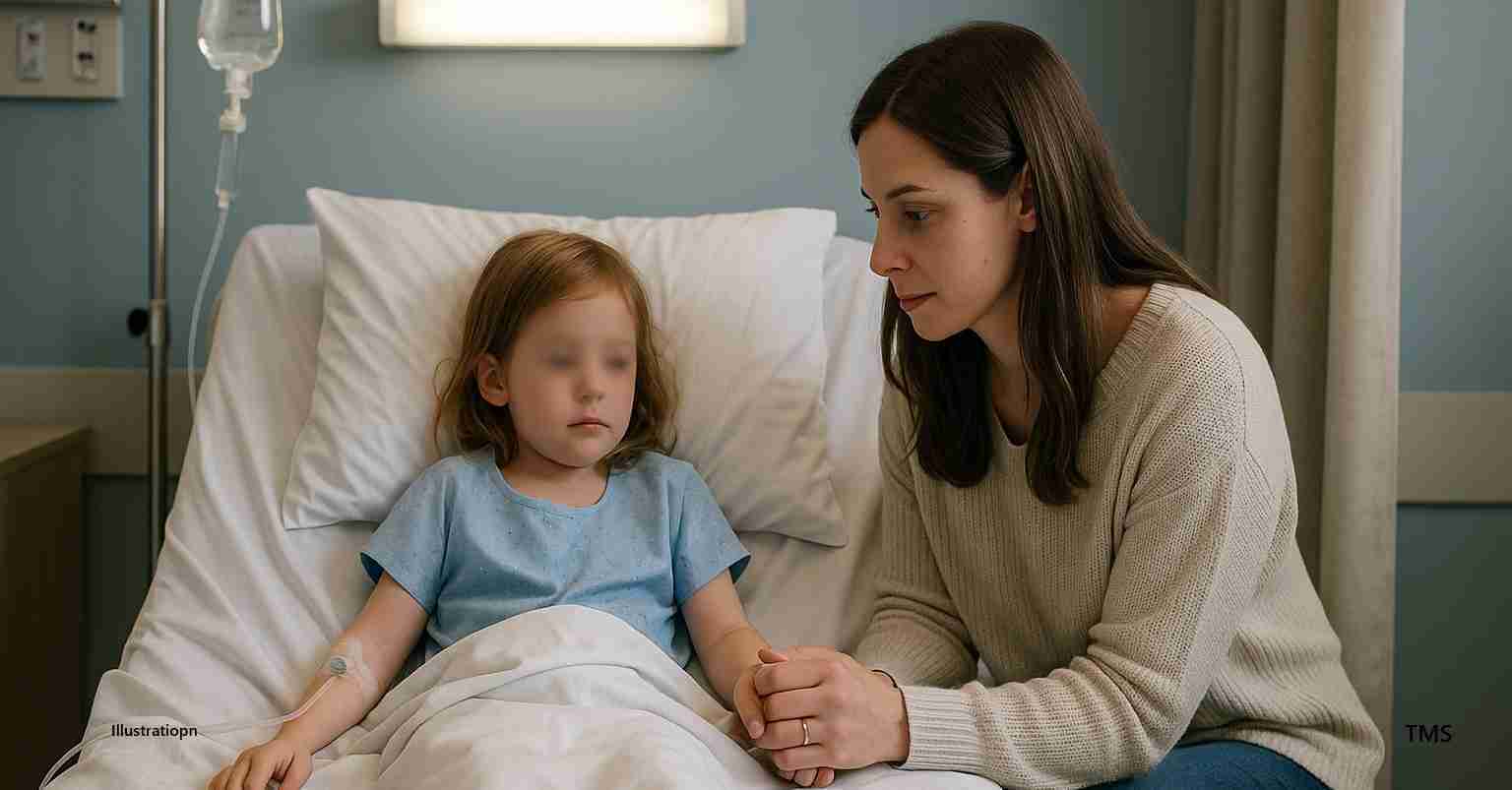
Hidden infection kills millions of children each year as doctors warn of overlooked symptoms; early detection is key, Murdoch Children’s Research Institute leader says
Sepsis, a life‑threatening response to infection, kills millions of children globally each year; early symptoms are often subtle, causing delayed diagnosis. Clinicians warn urgent awareness of signs and rapid treatment can prevent many deaths now.
- Sepsis may cause roughly a quarter of child deaths worldwide — a staggering, often overlooked burden. roughly a quarter of child deaths worldwide
- In the U.S., more than 75,000 children are hospitalized each year with sepsis, though global cases run into the tens of millions. more than 75,000 children are hospitalized each year with sepsis
- Early signs are frequently vague — unusual sleepiness, irritability, fever, vomiting, or poor feeding in infants — and can be mistaken for common viral illnesses. Early signs in children are frequently vague
- Minutes matter: prompt fluids, antibiotics and support save lives; public health toolkits and hospital programs prioritize rapid recognition and treatment. CDC sepsis public health toolkit
Investigative overview: why sepsis stays hidden
Doctors and researchers say pediatric sepsis is often missed because its early symptoms are nonspecific and can resemble a common cold or stomach bug. Blood pressure may remain normal in children until illness is advanced, making an important adult warning sign unreliable in pediatrics. Yale Medicine explains how this subtlety delays diagnosis and treatment.
That delay can be deadly: severe pediatric sepsis, including septic shock, carries mortality rates that can exceed 40% in some settings. Hospitals and community health systems — especially where resources are limited — often lack standardized pediatric screening and rapid-response protocols, allowing sepsis to progress before caregivers recognize how serious it is. The Murdoch Children’s Research Institute team leader warns many deaths are preventable when early warning signs are recognized and acted on quickly.
How sepsis develops and why time matters
Sepsis begins when the body’s response to infection injures its own tissues and organs. It often starts from common infections — ear infections, pneumonia, urinary tract infections, skin wounds — and can spiral into systemic illness. There is no single instant diagnostic test; clinicians use a combination of exam findings, blood and urine tests, and sometimes imaging or spinal fluid testing to assemble the diagnosis.
Speed saves lives. Early intravenous fluids, antibiotics, and supportive care given within hours substantially improve survival. National organizations stress that “minutes matter” and urge health systems to build pathways for quick recognition and treatment of pediatric sepsis. See recommendations from the American Hospital Association and tools provided by the CDC sepsis toolkit.
Common early signs parents and clinicians should not ignore
Because pediatric sepsis symptoms can be subtle, awareness is essential. Parents and clinicians should watch for these red flags and act promptly:
- Fever or feeling unusually cold
- Lethargy, decreased alertness, or sudden irritability
- Fast or difficult breathing
- Pale, blotchy, or bluish skin
- Severe or unexplained pain or discomfort
- Fewer wet diapers or much less urine in children and infants
- In infants: poor feeding, vomiting, or sudden changes in breathing or heart rate
Clinicians and families are encouraged to consult guidance such as Yale Medicine’s summary of sepsis in kids and the AHA’s pediatric sepsis recommendations when evaluating suspicious cases.
Prevention: vaccination, hygiene, and smart community programs
Preventing pediatric sepsis starts with preventing the infections that can trigger it. Vaccines protect against many bacteria that cause severe illness, including Haemophilus influenzae type b and meningococcal strains. Keeping immunizations current is one of the clearest steps parents can take to reduce risk. For more detail see Wolters Kluwer on pediatric sepsis and the AHA prevention guidance.
Other measures include good handwashing, prompt wound and fever care, public health campaigns to educate parents and school staff, infection prevention protocols in healthcare settings, and antimicrobial stewardship to limit resistant infections. The CDC sepsis toolkit offers community and clinical resources.
Barriers to change: misconceptions and missed chances
Experts note caregivers sometimes delay seeking care because they expect viral illnesses to pass. Misunderstandings about vaccine safety leave children vulnerable to preventable infections that can progress to sepsis. In low-resource settings, limited access to care and diagnostics means children often arrive at hospitals much sicker. Leaders call for better education and system-wide pediatric screening so frontline staff and parents can act fast when sepsis is suspected. See the CDC toolkit for implementation guidance.
Data snapshot: the human toll
Estimates indicate pediatric sepsis may contribute to as many as 25% of child deaths worldwide — a figure that exceeds many better-known causes like childhood cancers. In the United States, the American Hospital Association reports more than 75,000 pediatric hospitalizations for sepsis annually; experts warn the true global burden reaches into the tens of millions of cases. For analysis, see Wolters Kluwer.
Practical steps for parents, caregivers and clinicians
- Trust your instincts. If a child looks sicker than a typical viral illness — especially with decreased alertness, rapid breathing, or poor feeding — seek medical care.
- Ask clinicians about sepsis screening and early treatment protocols when admitted to clinics or hospitals.
- Keep vaccinations current and discuss concerns with a trusted clinician.
- Teach childcare providers and teachers the warning signs of sepsis and when to call for urgent care. The CDC toolkit offers materials for schools and clinics.
Implications for California
Economic impact: Pediatric sepsis drives costly hospital stays and long recoveries that can cause lost work for parents. In California, prevention via vaccination, school-based health programs, and better outpatient recognition could reduce medical bills and ease hospital capacity.
Political consequences: For a politically moderate conservative audience, sepsis prevention aligns with personal responsibility, public safety, and efficient government. Targeted investments that fund vaccination outreach, support public health clinics, and incentivize hospital sepsis screening protocols can lower deaths without large new programs.
Social effects: Communities with lower vaccination rates or reduced pediatric care access face higher sepsis risks. California’s rural counties and under-resourced urban neighborhoods may be disproportionately affected; strengthening local clinics, mobile units, and parent education is vital.
Cultural relevance & practical applications: Clear public messaging that stresses simple actions — knowing sepsis symptoms, keeping vaccinations current, and seeking prompt care — can resonate across cultural groups. Hospitals and pediatric practices should adopt standardized pediatric sepsis early detection tools and rapid-response protocols. Local health departments can distribute awareness materials to pediatricians, school nurses, and parents; employer-supported paid sick leave policies would help parents seek care early.
Sources and further reading
- Wolters Kluwer, “Pediatric Sepsis”
- American Hospital Association, “Prevention Prescription: Reducing Pediatric Sepsis”
- Yale Medicine, “Sepsis in Kids”
- Centers for Disease Control and Prevention, Sepsis Public Health Toolkit
“Many deaths are preventable if early warning signs are recognized and acted upon quickly,” a Murdoch Children’s Research Institute leader warns, urging improved screening and rapid-response care for children.