FDA approves bemotrizinol for U.S. sunscreens — the first new filter in decades, opening new U.S. sunscreen options
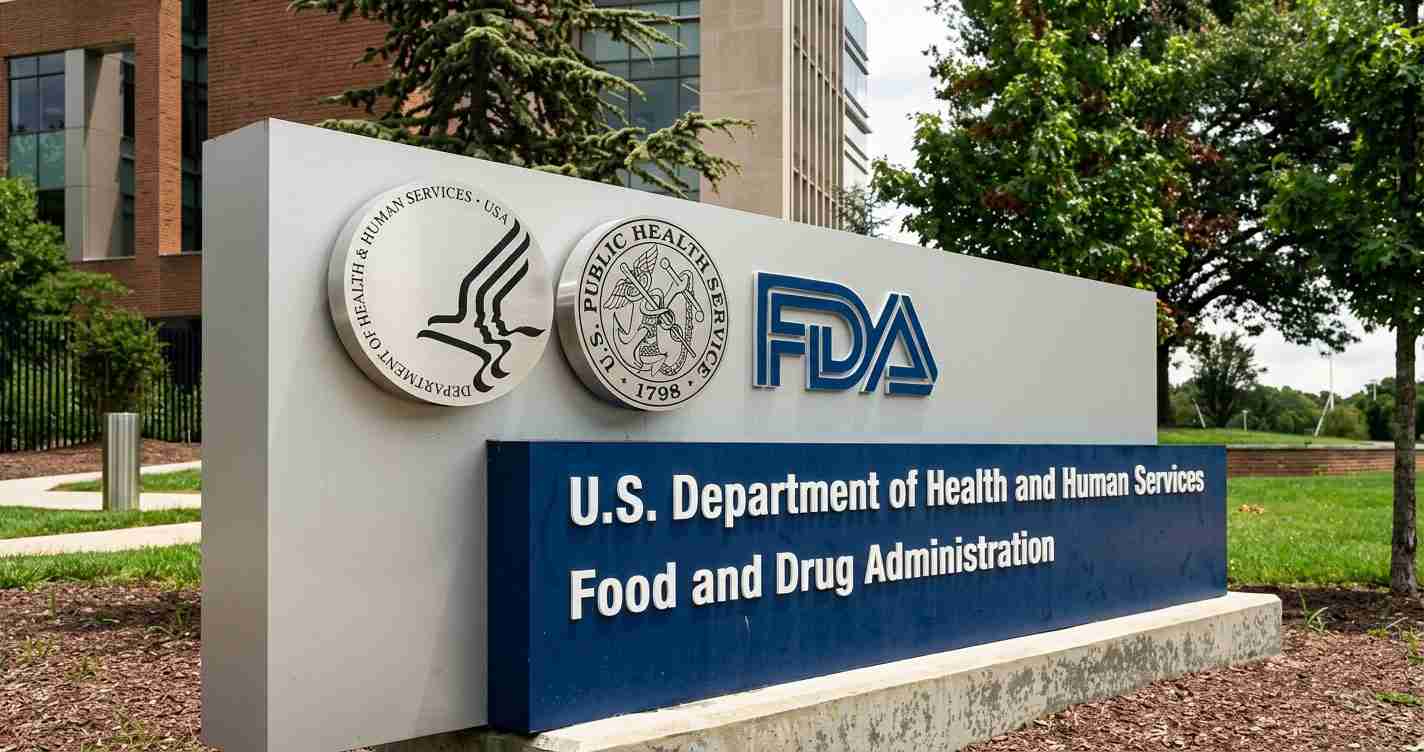
The FDA on June 9, 2026 added bemotrizinol to its OTC sunscreen monograph, the first new U.S. filter in nearly 30 years, expanding broad-spectrum options and paving the way for new consumer products such as PARSOL Shield.
- FDA final order adds bemotrizinol (BEMT) to the OTC sunscreen monograph (M020).
- Maximum concentration: FDA set a limit of 6% in approved dosage forms.
- PARSOL Shield will be marketed by DSM Nutritional Products with an expected late‑2026 rollout and an 18‑month exclusivity period.
- GRASE determination: FDA found bemotrizinol safe and effective for adults and children 6 months and older when used as labeled.
What the FDA decided and why it matters
On June 9, 2026 the FDA issued a final order formally adding bemotrizinol to the OTC sunscreen monograph and found it “generally recognized as safe and effective” (GRASE) for labeled use in adults and children 6 months and older. The agency’s review cited reliable broad‑spectrum protection, high photostability, low irritation rates, and low systemic absorption.
The decision used the modernized OTC Monograph Order Request (OMOR) pathway created under the CARES Act, enabling a faster update process; bemotrizinol is the first ingredient added through that route. See the proposed order (Dec. 2025) and the final order.
“The agency’s review concluded the ingredient provides reliable protection against both UVA and UVB rays, shows high photostability, and has low systemic absorption and low irritation rates in the data submitted.”
What bemotrizinol is and how it compares
Bemotrizinol (often abbreviated BEMT) is an organic, oil‑soluble UV filter widely used in Europe, Australia, and parts of Asia. It offers high photostability and broad coverage across UVA and UVB wavelengths, which helps formulators build sunscreens that maintain protection and feel cosmetically pleasant on skin. For a dermatology perspective, see the dermatology review.
The FDA adopted a 6% maximum concentration for allowed dosage forms (lotions, creams, gels, oils, sticks and certain sprays), aligning with Canada’s limit and below some European allowances.
Safety and effectiveness findings
FDA reviewers relied on safety and pharmacokinetic studies showing plasma bemotrizinol levels rarely exceeded the agency’s 0.5 ng/mL absorption threshold; most adverse events were mild. The agency concluded the ingredient “rarely causes skin irritation” and exhibits low systemic absorption, supporting the GRASE determination. See the FDA press announcement and the clinical review.
Practical rollout and exclusivity
DSM Nutritional Products filed the OMOR and will market bemotrizinol under the PARSOL Shield brand in the U.S. Industry reporting anticipates product availability in late 2026, with an 18‑month exclusivity period before other firms may use the ingredient under the monograph conditions. For industry and legal context, see the industry/legal analysis and the FDA final order.
What manufacturers still must do
Even with bemotrizinol permitted, finished sunscreens must comply with all monograph requirements: validate SPF and broad‑spectrum claims, use required Drug Facts labeling, register establishments and list products with the FDA, and adhere to permitted dosage forms and concentrations. Approval of an active ingredient does not remove these obligations. See the FDA Q&A on OTC sunscreen monograph changes for details.
Context: why this change came now
For decades the OTC monograph process was slow, keeping many modern filters unavailable in the U.S. The CARES Act reforms created the OMOR pathway to update monographs more quickly; bemotrizinol’s approval is the first major product of that process and demonstrates a shift toward timelier regulatory updates. See the FDA background on the OMOR process.
Public health and consumer use
The FDA emphasizes sunscreen as one part of sun safety. Consumers should use sunscreens with SPF 15+ (many experts recommend SPF 30+), reapply often, and combine sunscreen with protective clothing, hats, and shade. Bemotrizinol may improve cosmetic acceptability and durability of protection, which could improve real‑world use but does not replace other sun‑safety measures.
“Bemotrizinol may make sunscreens more effective and more pleasant to wear, which could improve real‑world use — but it does not replace common‑sense sun precautions.”
Implications for California
Economic impact: California’s large cosmetics and personal‑care market makes it a prime launch region. Retailers and online sellers will likely carry PARSOL Shield products and later competitors, generating sales and manufacturing activity.
Economic impact
- New product launches could spur demand for local formulators, contract manufacturers, labs, and packaging firms.
- Jobs in the state’s beauty and health sectors may see short‑term increases tied to formulation and production work.
Political and regulatory consequences
- California regulators and consumer groups will monitor the OMOR pathway’s performance and may adjust procurement or guidance for parks, beaches, and schools.
- For readers who value both consumer choice and oversight, this is an example of regulatory modernization paired with safety checks.
Social effects
- Better real‑world protection: more cosmetically acceptable sunscreens can increase consistent use among outdoor Californians, potentially reducing sunburn and long‑term skin cancer risk.
- Education: public health programs may update messaging to highlight new sunscreen options while reinforcing multi‑layered sun protection.
Practical applications for residents
What to look for: Beginning in late 2026, shoppers may see bemotrizinol or PARSOL Shield listed among active ingredients. Always check SPF, broad‑spectrum labeling, and reapply as directed.
For parents: The FDA cleared bemotrizinol for use in children 6 months and older when used as labeled; follow product directions and consult pediatricians for skin concerns.
Sources and reporting links
- FDA press announcement — Final order adding bemotrizinol
- FDA proposed order (December 2025)
- FDA Q&A on OTC sunscreen monograph changes
- Dermatology review on modern filters (PMC)
- Industry/legal analysis on market and exclusivity
- Legal insight on OMOR process and requirements
- Consumer health overview
For more reporting, follow FDA updates and watch for product labels that list bemotrizinol or PARSOL Shield as active ingredients as new U.S. sunscreen options reach the market.