
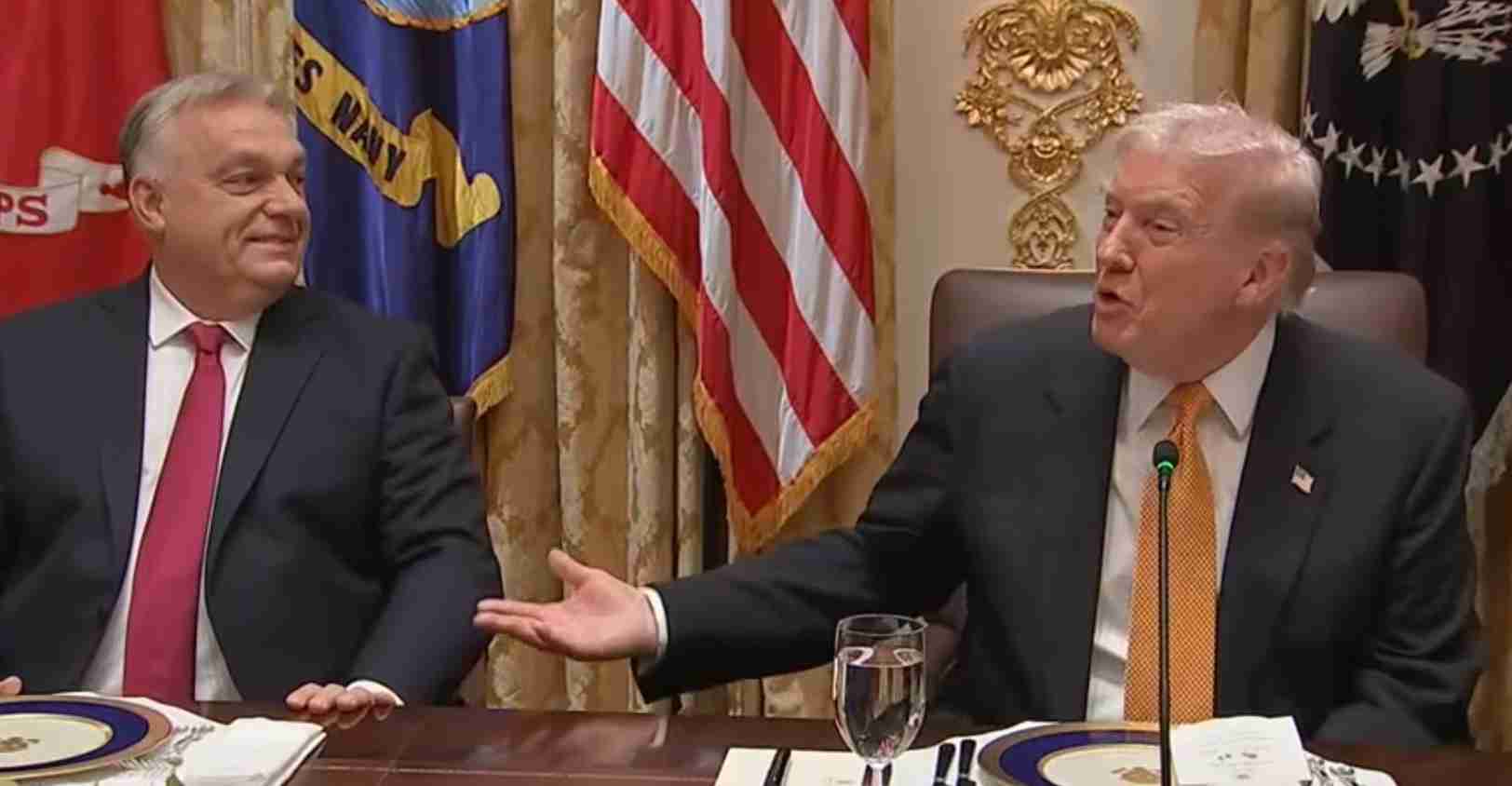
Orban jokes “Can I get her?” after Karoline Leavitt slams reporters at Trump-Orban White House meeting — Hungarian leader says he wants to hire Leavitt
At a White House meeting on energy and trade, Hungarian Prime Minister Viktor Orban joked about hiring Press Secretary Karoline Leavitt after she rebuked reporters for “fake news” on affordability — a jocular moment that highlighted shared media skepticism.
- Leavitt’s sharp rebuke: She accused reporters of spreading “fake news” and defended the administration’s economic record.
- Orban’s quip: After her remarks, Orban reportedly asked, “Can I get her?”, prompting laughter and Trump’s jocular reply.
- Coverage concentrated right-leaning: Conservative outlets amplified the exchange, publishing video and commentary framing the moment as light-hearted.
- Diplomatic context: The meeting also covered energy cooperation, trade and Hungary’s requests regarding sanctions — matters with broader policy implications.
Main content
What happened at the White House
President Trump and Prime Minister Orban met in the East Room to discuss energy cooperation and trade. When reporters asked about national affordability and a potential government shutdown, Trump invited White House Press Secretary Karoline Leavitt to respond directly.
According to accounts, Leavitt delivered a pointed defense of the administration’s record and a forceful critique of the press for allegedly failing to acknowledge recent policy achievements. Reporting and video of the exchange were published by Fox News and discussed by commentators such as PJ Media.
Leavitt’s message and media posture
Leavitt framed her remarks around comparative statistics and political responsibility, blaming the prior administration for what she called “the worst unaffordability crisis in modern American history” and touting a tax cut for middle-class relief. Her tone matched the White House’s confrontational press strategy, which conservative outlets praised.
“Fake news” — Leavitt’s characterization of reporters’ questions, cited in coverage that included a video clip of the back-and-forth.
Orban’s reaction and the gag
Immediately after Leavitt’s remarks, Prime Minister Orban leaned toward President Trump and, reportedly with a smile, asked, “Can I get her for us?” Trump relayed the comment to Leavitt, joking that Orban wanted her to work in Hungary while humorously pleading that she remain at the White House. The exchange drew laughter and was widely characterized as jocular rather than a formal recruitment attempt. Video of the moment was posted by Fox News video.
Why the moment drew attention
The interaction attracted notice for two main reasons:
- Unusually blunt rebuke: Leavitt’s direct public rebuke of reporters was notable in a White House press setting and earned praise in right-leaning commentary, including a column in PJ Media.
- Symbolic alignment: Orban’s compliment echoed his own combative stance toward the press at home, inviting comparisons and questions about how style and media relations intersect with democratic norms.
Diplomatic backdrop: sanctions and energy
Beyond the quick gag, the visit involved substantive diplomacy. Discussions included Hungary’s requests for U.S. understanding or exemptions related to sanctions on Russia and talks about energy cooperation. Observers noted these topics have broader implications for U.S. foreign policy and European security, and the friendly optics could influence negotiations on sensitive matters.
How media outlets covered the exchange
Coverage was concentrated largely among conservative and right-leaning outlets. Fox News carried both reporting and video, while PJ Media ran approving commentary. Other outlets, such as AOL, noted the humorous tone and the symbolic meaning while clarifying there was no formal job offer.
Investigative questions and context worth watching
- Performance or signal? Was the exchange purely theatrical, or might it presage a deeper tone in U.S.-Hungary communications that affects trade or sanctions?
- Press relations: How will news organizations respond to continued combative federal messaging toward reporters?
- Policy influence: Could Orban’s rapport with the administration shape U.S. positions on sanctions or energy policy that affect European partners?
Implications for California
Economic and energy ties: California’s energy, trade and tech interests could be affected by shifts in U.S. foreign policy on Europe and energy security. Changes to sanctions or trade rules may ripple through markets, affecting costs and jobs in the state.
Media and public trust: The episode highlights national debates over press credibility. In major media hubs like Los Angeles and the Bay Area, confrontational exchanges between federal officials and journalists can shape newsroom access and public trust.
Political messaging: California campaigns may use the episode for talking points — from applauding direct communication styles to warning about rhetoric that undercuts press scrutiny.
Civic norms and international image: Exchanges that align U.S. officials with leaders criticized for limiting press freedoms could complicate diplomatic messaging important to California’s global industries.
Reporting and sources
This article draws on video and reporting from conservative outlets and aggregated coverage. Full accounts and video are available from the following sources:
Conclusion
The brief, jocular exchange at the White House showcased Karoline Leavitt’s combative media posture and Viktor Orban’s public admiration for that style. While treated as light-hearted, the moment underscores broader questions about media relations, diplomatic optics and policy consequences worth monitoring.



