
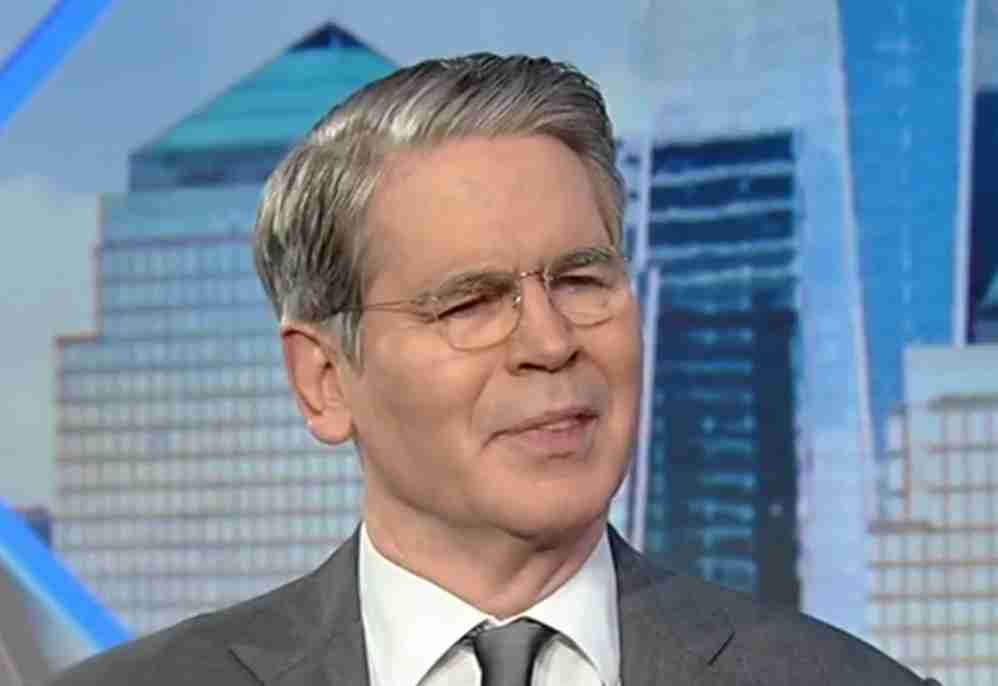
Treasury’s Bessent Issues Stark “No Bailout” Warning if Zohran Mamdani’s Affordability Plans Become Law
Treasury Secretary Scott Bessent warned the federal government would provide “no bailout” if mayoral candidate Zohran Mamdani’s affordability agenda leads New York City into fiscal distress, invoking the 1975 “drop dead” era as a stark precedent.
- Bessent warned federal support would be withheld if Mamdani’s policy package pushes the city toward insolvency.
- Mamdani’s proposals center on rent freezes, free bus service, city-owned grocery stores, free childcare and funding via higher corporate taxes and a 2% surcharge on incomes above $1 million.
- Historical echo: Bessent explicitly invoked the 1975 “drop dead” framing to underscore limits on federal rescues of municipal governments.
- Implications extend beyond New York — California officials, investors and voters will likely watch outcomes closely as a policy and political test case.
Bessent’s warning and the historical echo
Treasury Secretary Scott Bessent framed his remarks bluntly, saying New York City “will be coming to the federal government for a bailout” if Zohran Mamdani’s proposals are enacted and fiscal gaps emerge. He invoked President Gerald Ford’s 1975 stance — popularly summarized by the New York Daily News’ “Drop Dead” headline — saying, “It will be the same thing that Gerald Ford said: ‘Drop dead,’” echoing a historic refusal to provide federal rescue (see Scott Bessent warning coverage; International reporting on the “drop dead” echo).
What Mamdani is proposing
Zohran Mamdani’s platform centers on affordability measures designed to reverse decades of rising costs. Key elements include:
- Citywide rent freezes intended to curb escalating housing expenses.
- Free city bus service to ease transit costs for low- and middle-income residents.
- City-owned grocery stores to improve food access in underserved neighborhoods.
- Free childcare programs to support working families.
- Funding via higher corporate taxes and a 2% surcharge on incomes above $1 million (see Mamdani policy summaries).
Fiscal risks and federal policy
Bessent presented the package as more than campaign rhetoric, arguing the scale and revenue assumptions could strain municipal finances and, if unmet, force a choice between program cuts, new taxes, or seeking external assistance. He emphasized the Treasury’s reluctance to serve as a backstop, citing opposition to rescues for other governments as context (Scott Bessent warning coverage).
“It will be the same thing that Gerald Ford said: ‘Drop dead,’”
Political context and campaign dynamics
Mamdani secured the Democratic nomination and leads in polls heading into the November 4, 2025 general election. One recent Marist poll showed him with strong primary support and competitive general-election numbers. Campaign aides have not publicly replied to Bessent’s comments to date; supporters describe the proposals as urgent and data-driven, while critics warn of credit and fiscal risks (Marist polling).
Funding details and fiscal mechanics
The campaign’s plan relies on progressive tax changes — corporate tax increases plus a 2% surcharge on incomes above $1 million. Proponents say this spares most residents, while analysts warn revenue projections are uncertain and can be sensitive to economic cycles and behavioral responses. If collections fall short, municipal options include program reductions, alternative tax increases, or appeals for state or federal assistance — the latter of which Bessent has preemptively discounted (Mamdani policy summaries; Scott Bessent warning coverage).
Historical precedents and legal limits
The 1975 New York City fiscal crisis led to federal- and state-level negotiations, oversight measures, and municipal recovery plans with strict budget controls and oversight boards. While Ford did not literally utter the newspaper’s headline, the episode remains a shorthand precedent for limits on federal intervention in municipal insolvencies.
Election timeline and the road ahead
The general election is scheduled for November 4, 2025. The mayoral race will test whether New York pursues an expansive affordability agenda or prioritizes fiscal restraint and market-based solutions. Candidate filings and race context continue to evolve as the campaign season proceeds (Election schedule and context; Candidate listings and race context).
Implications for California
California policymakers, investors and voters will watch closely. Potential effects include:
- Economic impact: Bond markets may reassess municipal risk if federal bailout expectations shift, affecting borrowing costs in cities like Los Angeles and San Francisco.
- Political consequences: Bessent’s stance may resonate with fiscal conservatives and shape debates over whether to adopt similar tax-and-spend measures.
- Social effects: If New York implements pilots like free transit or city-run stores with measurable outcomes, California leaders could adapt lessons for local programs.
- Practical actions: City finance officers should review contingency plans and stress-test revenue assumptions for ambitious social-service expansions.



