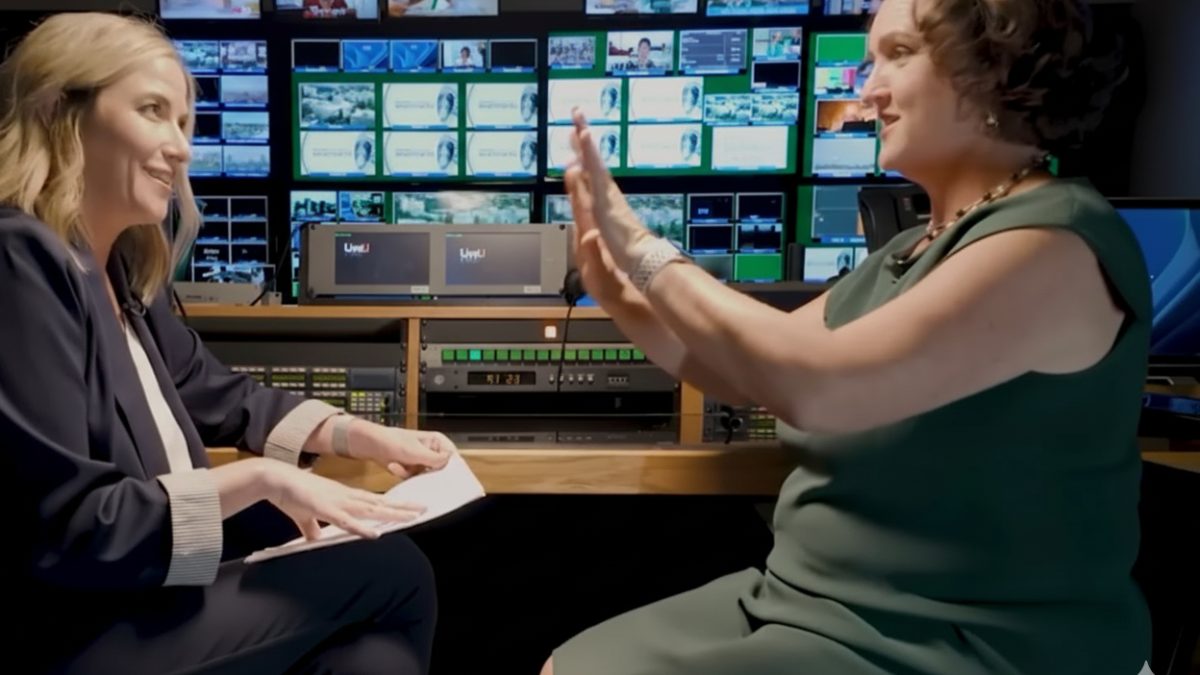
Katie Porter’s CBS interview turns tense as Democrat threatens to walk out after question on Trump voters
California gubernatorial candidate Katie Porter drew criticism after a tense CBS News California interview in early October 2025, where she threatened to end the conversation when pressed about winning roughly 40% of voters who backed Donald Trump.
Key takeaways
- Viral exchange: Porter threatened to stop a CBS News California interview after repeated follow-ups about appealing to Trump voters.
- Political impact: Critics called it a “meltdown”; rivals and strategists say it could affect her appeal to moderates and undecided voters.
- Messaging gap: The episode highlighted the need for clear outreach strategies to the roughly 40% of Californians who backed Trump.
- Footage available: Multiple uploads of the interview circulate online for public review and analysis.
What happened during the interview
The sit-down for CBS News California (Sacramento) aired online in early October 2025. Reporter Julie Watts asked Porter about Proposition 50, redistricting, and specifically how she would win over roughly 40% of California voters who backed Donald Trump. Video of the exchange has been widely shared; see the interview upload 1, interview upload 2, and interview upload 3.
According to the footage, Watts followed up multiple times when Porter did not provide the specific answer the reporter sought. Porter’s impatience rose; she said,
“I don’t want this all on camera. I don’t want to keep doing this. I’m going to call it. Thank you. You’re not going to do the interview with us? Nope. Not like this. I’m not [doing it], not with seven follow-ups to every single question you ask.”
The moment shows Porter standing, moving toward the camera while staff and the reporter attempt to continue the exchange. For the relevant clip, watch the full clip.
Media and public reaction
The clip circulated rapidly on social media and across outlets. Some commentators labeled Porter’s actions a “meltdown” or said she “flipped out” under questioning, citing concerns about discipline and temperament. Others defended the context, noting high-pressure campaign environments and persistent follow-ups by reporters. Multiple uploads and camera angles are publicly available for review; see two representative uploads here and here.
Rivals and pundits quickly seized the moment to question Porter’s ability to connect with conservative-leaning voters. Yet political strategists cautioned that while viral moments can shape narratives, campaigns are ultimately judged on sustained messaging, ground operations, and debate performances. See another upload here.
Why the Trump voter question mattered
The question about Trump voters touched on a strategic reality: although California tilts Democratic, roughly 40% of voters supported Donald Trump in the last presidential cycle. Winning statewide often requires reaching moderates and conservative-leaning voters in suburbs, exurbs, and rural counties. Watts framed the line of questioning as central to Porter’s ability to govern a diverse state, tying the discussion to Proposition 50 and redistricting dynamics. For the contextual clip, watch the segment.
Campaign response and political implications
At the time of reporting, Porter’s campaign had not issued a formal, on-the-record statement addressing the incident. Campaign surrogates elsewhere have emphasized her consumer protection record and middle-class appeals, but the lack of a rapid, clear response allowed critics to shape initial coverage. See observed uploads here and here.
Two main political concerns:
- Electability: Voters and donors often seek calm under pressure; a candidate walking away from an interview can erode confidence among undecided or moderate voters.
- Message discipline: Campaigns must demonstrate an ability to answer tough questions without appearing defensive — particularly important when courting conservative-leaning Californians.
What this means for voter outreach and messaging
The episode underscores the need for clear, replicable messaging on how policies will benefit voters across the political spectrum. For Porter, articulating how proposals on housing, the economy, and public safety would appeal to Trump-aligned voters is now more urgent. Campaigns must show specifics — how policy will affect suburbs, exurbs, and rural counties — rather than relying solely on general appeals.
The controversy also feeds a broader debate on interview technique: reporters say repeated follow-ups probe for clarity and accountability; campaigns sometimes argue follow-ups can be perceived as stacking questions to trap candidates. Voters will judge both the candidate’s composure and the reporter’s method.
Implications for California
Economic and policy impact: If the incident weakens Porter’s perceived ability to reach across party lines, bipartisan support for major initiatives — housing, homelessness, inflation relief, public safety — could be harder to secure, slowing implementation and affecting local economies.
Political consequences: In a state where approximately 40% of voters backed Trump last cycle, a Democrat typically needs some crossover appeal to win statewide office. The clip may reduce Porter’s standing with swing voters, offering opportunities for rivals in the Democratic primary and ammunition for Republican strategists.
Social and cultural effects: Voters in the Central Valley, Inland Empire, and parts of Northern California may weigh this moment alongside Porter’s record, endorsements, and debate performances. For audiences prioritizing civility and cross-aisle dialogue, the interview raises questions about Porter’s receptiveness to differing viewpoints.
Sources and links
Video of the interview and related uploads:
All facts, quotes, and URLs above are preserved from Times Media Service reporting and the publicly available video uploads.