Ford to move world headquarters after nearly 70 years; iconic “Glass House” to be demolished as company doubles down on Ford+ transformation strategy
Ford Motor Company will relocate its global headquarters from the iconic Glass House to a new Dearborn product development campus less than a mile away, completing the move by 2027 as part of a multibillion-dollar Ford+ modernization strategy.
- New HQ close to the existing site: anchors an upgraded product development campus at refreshed Dearborn product development campus and is described in Ford’s announcement New Ford World Headquarters.
- Capacity and size: roughly twice the size of the Glass House, designed to host about 4,000 employees inside with another 14,000 within a 15-minute walk, per Ford and coverage by Automotive Dive.
- Timeline: major construction opens November 2025; employee transition through 2026; final campus work through 2027.
Why Ford says the move is needed
Ford executives frame the relocation as an essential element of the company’s Ford+ transformation strategy, a multibillion-dollar modernization plan meant to enable faster product development, closer collaboration between engineering, electrification and software teams, and lower operating and carbon costs than retrofitting the mid-century building.
Jim Farley and Bill Ford have emphasized competitiveness and the need for a purpose-built facility that supports modern workflows and sustainability goals that the Glass House cannot economically provide.
New headquarters: location, design and capacity
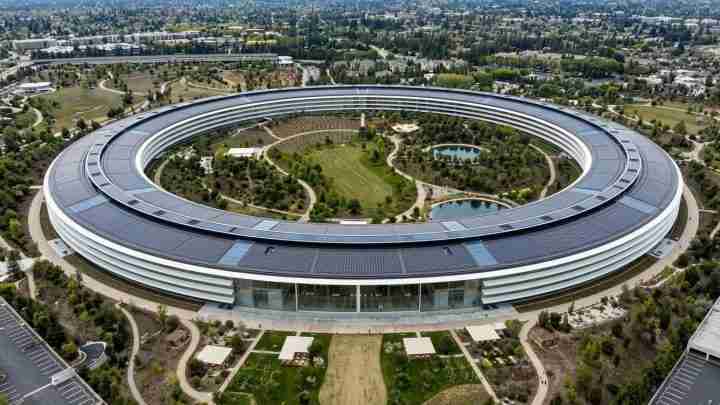
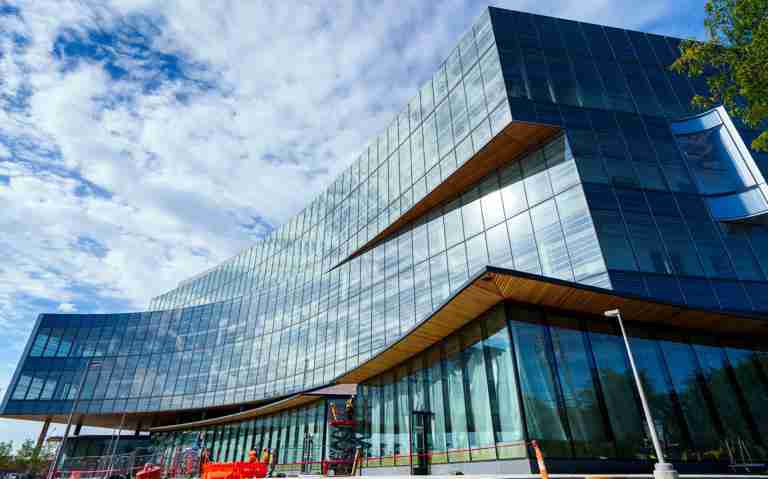
The new world headquarters sits at 20901 Oakwood Blvd., near Greenfield Village, and anchors an upgraded Dearborn product development campus. Ford says the building is roughly double the size of the Glass House and will include collaborative workspaces, labs and advanced testing facilities.
Ford projects the building will house about 4,000 employees directly and place another 14,000 within a short walk on a reconfigured campus, enabling cross-functional work between product development and software teams (Automotive Dive).
Sustainability: Ford highlights energy and operational efficiencies in the new design as part of broader Ford+ goals to reduce costs and emissions while accelerating EV and software development.
Timeline and employee transition
Construction is on a fast track: the main building is scheduled to open in November 2025, with employees moving in gradually through 2026. Final campus development and site work are expected to conclude through 2027, according to Ford and reporting by Automotive Dive.
Ford says most staff will be relocated before the Glass House decommissioning begins, limiting operational disruption as the company executes an orderly transition.
Glass House decommission and demolition
The Henry Ford II World Center — commonly called the Glass House — will be decommissioned after most employees vacate by Q2 2026. Ford plans an 18-month sustainable decommissioning and demolition process once vacated, with removal projected to finish between late 2027 and mid-2028, per reporting in Automotive Dive, USA Today and the Detroit Free Press.
Ford describes the demolition as “sustainable,” arguing that retrofitting the aging structure to meet modern HVAC, electrical and collaborative workspace needs would be more expensive and less practical than building new.
Historical and cultural significance of the Glass House
Opened in 1956, the Glass House has been an emblem of Ford’s postwar rise and hosted major company moments — from early acquisition efforts in the 1960s to product launches and leadership decisions during crises. The building carries deep historical and emotional weight for employees, fans and historians (USA Today).
Ford says it will preserve archives, stories and artifacts from the Glass House and may integrate elements of its legacy into the new campus, though detailed memorial plans have not been released.
Voices inside and outside the company
Inside Ford: Bill Ford and Jim Farley emphasize that the move is necessary to accelerate innovation and remain competitive as the company shifts resources toward EVs, software and new mobility services under Ford+ (Ford announcement).
“The new facility is purpose-built for modern workflows and sustainability goals,” company leaders say, framing the decision as strategic and forward-looking.
Outside analysis: Industry experts and reporters note that retrofitting the Glass House for modern systems would likely cost more than new construction and still fall short of digital-development needs (Detroit Free Press).
Implications for California
Economic links: Although the physical headquarters remains in Michigan, Ford’s intensified focus on EVs, software and supplier relationships could deepen contracts, R&D partnerships and supplier work with California firms that specialize in batteries, semiconductors and autonomy (Ford).
Workforce: California’s pool of engineers and software talent can remain engaged via hybrid and remote models. The move underscores opportunities for Californians to collaborate without relocation, as Ford still relies on distributed teams.
Regulatory alignment: The company’s Ford+ investments and EV focus suggest alignment with California’s aggressive emissions and EV policies, making state regulators and policy leaders key stakeholders for future products.
Political and cultural notes: For a moderate conservative audience, the move highlights private-sector capital investment and operational modernization without broad public subsidy, a narrative consistent with fiscal discipline and private investment principles.
Sources and further reading
- Ford: Key facts and announcement
- Ford: New Ford World Headquarters overview
- Automotive Dive coverage
- USA Today: Glass House history
- USA Today: Bill Ford and leadership comments
- Detroit Free Press: costs and demolition plans
- Ford campus video
Quick note: Ford’s public materials and media coverage remain the authoritative sources for evolving timeline and design details; see the links above for official statements and reporting.